


Getting your Trinity Audio player ready…
At a time when federal protections to reduce air and water pollution are being stripped away at the federal level, it’s easy to feel helpless — like there’s nothing ordinary people can do to stop the negative health impacts on communities
But all around the country, people of all different backgrounds and political beliefs are coming together to say that clean air and water are priorities, are supposed to be guaranteed under the state constitution, and they’re pushing back against industrial projects that harm our neighborhoods
Here are some ways you can improve air quality in your home and beyond:
Replace your natural gas stove with an electric induction model. Although Trump administration budget cuts halted a federally-funded, full-scale study investigating the possible benefits of asthmatics replacing a natural gas stove with an electric induction stove, the initial results were so important to share that researchers published their findings in The Journal of Allergy and Clinical Immunology last month
In the study, 85 adults and children in Ohio with hard-to-control asthma were enrolled in the study that looked at switching from gas to electric induction stoves. The switch resulted in a 70% decrease in indoor nitrogen dioxide levels. Nitrogen dioxide is such a strong lung irritant that a 2022 review of studies concluded it could actually cause asthma to develop in young children
The Ohio study found that the improvements asthmatics experienced by switching from a natural gas stove to an electric induction model were on par, or even more powerful than, the benefits of taking certain asthma medications. Once the stove switch occurred, days of missed school and work decreased by nearly 80%, while ER visits and hospitalizations decreased by 70%
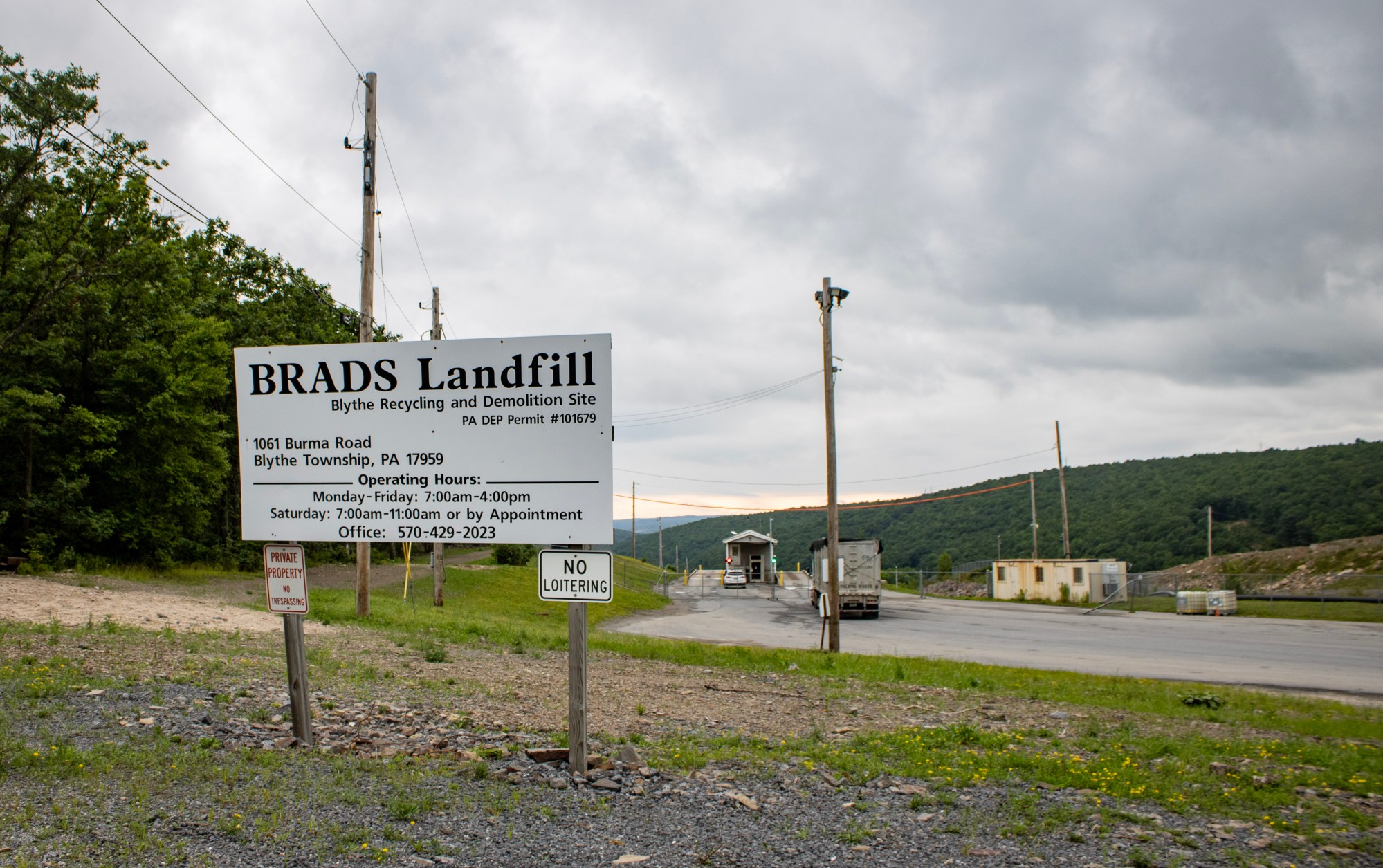
Stand up to local environmental injustices. The BRADS Landfill in Blythe Township and Natural Soil Products in Frailey Township are two examples of businesses that have violated clean air regulations repeatedly. Both operations are facing strong community opposition, and there are upcoming opportunities for citizens to voice their concerns about allowing the operations to continue, expand or modify
Originally scheduled for Tuesday, the Pennsylvania Department of Environmental Protection’s Office of Environmental Justice announced on Friday that it’s rescheduled a public hearing hearing on BRADS. The date hasn’t yet been announced. This hearing will focus on proposed modifications to how to handle the leachate (the landfill “juice” that’s a mix of rainwater and chemicals from the landfill). Anyone wishing to testify for up to five minutes should emailpamonahan@pa.gov
In the Tremont area, community leaders fed up with noxious odors and water testing violations at Natural Soil Products are asking people to write to the DEP to explain how the biosolids treatment plant has impacted their quality of life. Letters should reference “Natural Soil Products Permit Renewal; WasteManagement Permit No. 101628,” and be submitted before the Aug. 12 deadline. Some letter writers are focusing on asking for an extension on the 30-day comment period
Send your comments on NSP’s renewal application to PA Dept. of Environmental Protection Northeast Regional Office, Waste Management Program, 2 Public Square, Wilkes-Barre, PA 18711-0790. You can also email RA-EP-NERO-Permits@pa.gov
Lastly, residents are standing up to proposed data centers due to land use concerns (and with good reason.) An analysis led by a biostatistician from the Harvard T.H. Chan School of Public Health estimated that a single data center in Loudoun County, Virginia, caused between $53 million and $99 million in health damages per year due to particulate matter air pollution related to powering the data center on fossil fuels. That tally includes costs associated with early death, higher hospital admissions, asthma-related problems and lost productivity in community members.
Vote for clean air candidates at every level. Individual efforts matter, but clean air and water policies are even more important. Focus on how lawmakers vote — not on what they say — and vote for candidates with a strong track record of voting for strong clean air and clean water legislation. Additionally, look into how the president’s Environmental Protection Agency handles carcinogenic pollution like PFAS and ethylene oxide. Are they strengthening or loosening protections? You can check federal candidates’ voting records on the League of Conservation Voters website.
