


ByAlice Gibbs
Newsweek is a Trust Project member
See more of our trusted coverage when you search.to see more of our trusted coverage when you search.
The U.S. Navy has announced that sailors who are unable to meet its clean-shaven grooming standards because of certain medical conditions could face administrative separation after one year of treatment under a new policy aimed at strengthening operational readiness and uniform standards
The guidance, released in a memo this week, limits medical shaving accommodations to a maximum of 12 months. Sailors whose conditions prevent them from complying with daily shaving requirements after that period may be evaluated for administrative separation or referred to the Disability Evaluation System
The policy applies to active-duty and reserve sailors and takes effect immediately. However, the Navy said administrative separations tied to the new rule will not begin until July 2027, after which time not removing facial hair could ultimately result in dismissal
Navy leaders said the update is intended to support operational readiness and ensure facial hair does not interfere with respirators and other protective equipment used in potentially hazardous environments
“The operational success of the U.S. Navy demands the readiness of all Sailors,” the service said in the policy announcement. It added that grooming standards help ensure “the safe and proper utilization of protective equipment in all naval environments and operational conditions.”
The move also aligns the Navy with a broader Pentagon-wide push led by Defense Secretary Pete Hegseth to tighten grooming standards across the armed forces
Newsweek reached out to the U.S. Navy
What Are Pete Hegseth’s Grooming Policies?
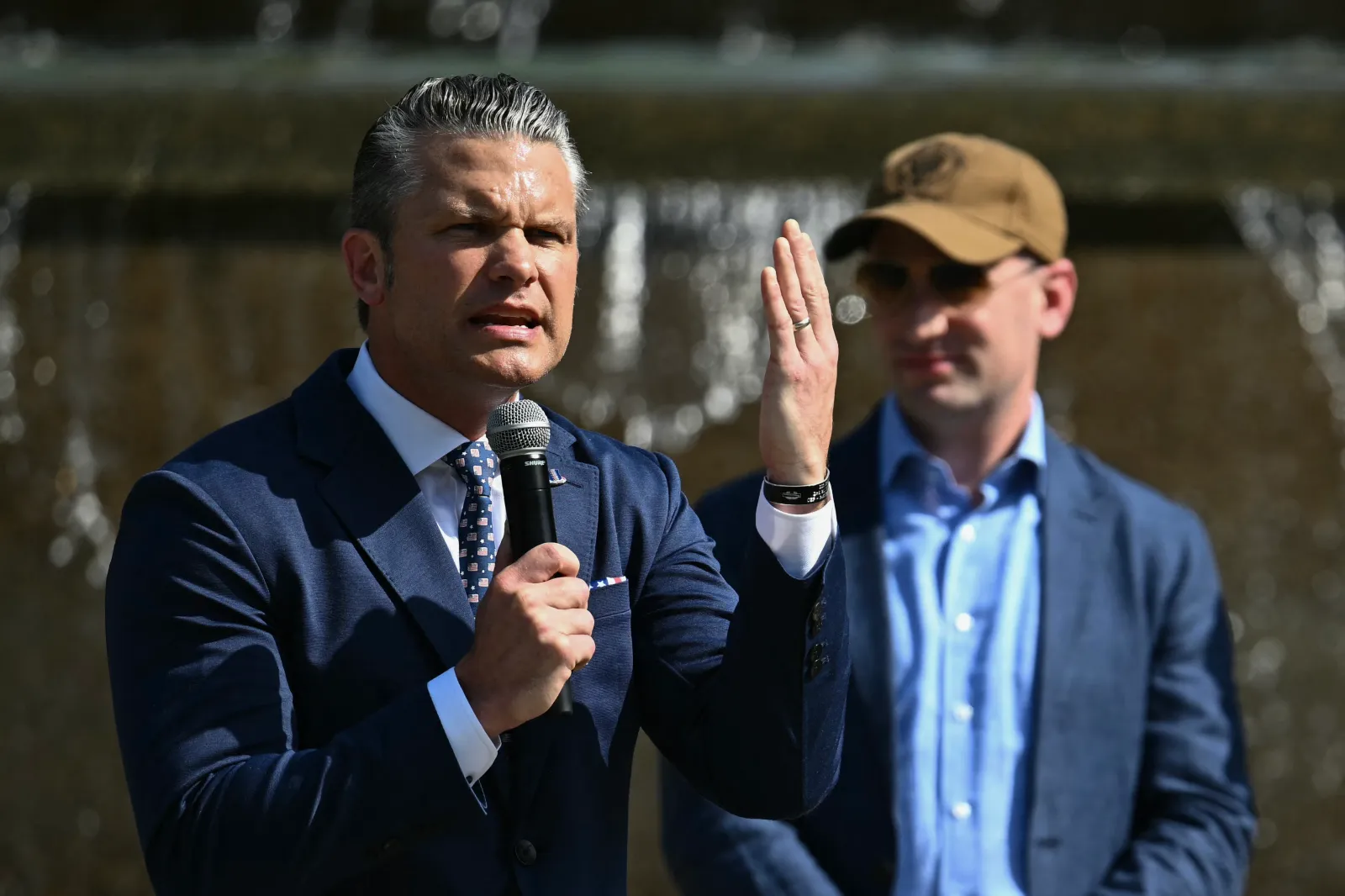
Hegseth has made grooming, appearance and military standards a recurring focus since becoming defense secretary. In an August 2025 memo, he directed military leaders to ensure service members are either clean-shaven or actively undergoing treatment for medical conditions that prevent compliance with shaving requirements
Chief Pentagon Spokesman Sean Parnell told Newsweek: “Secretary Hegseth maintains the highest expectations for our service members to uphold the professional standards of appearance, fitness, and discipline that define our warfighting force, and he continues to emphasize consistent enforcement of hair, weight, and grooming standards across all ranks
“Commanders at every level are expected to lead by example by meeting these standards, implementing these requirements, and they will be held accountable for delivering results as the Department works to restore a culture of excellence and readiness. Our Armed Forces are stronger when every service member meets and exceeds these expectations.”
…
The guidance instructed the military departments to review cases in which personnel remained unable to meet grooming standards after one year of treatment and determine whether continued service was appropriate
What the New Policy Says
The new policy applies to active-duty and reserve sailors and updates procedures governing medical shaving waivers. Sailors experiencing skin irritation from shaving are instructed to seek medical evaluation and treatment through military health providers
Commanding officers will have final authority to approve medical shaving accommodations. Approved waivers may be granted in 90-day increments, with a maximum of four consecutive waivers over a 12-month period. Sailors granted accommodations may grow facial hair no longer than one-quarter inch from the face
The Navy said commands should focus on treatment, education and monitoring of sailors with qualifying medical conditions. However, the policy also states that sailors determined to have an “unmanageable Permanent Condition” after one year of treatment may be evaluated for continued naval service and potentially dismissed
To be considered for administrative separation, sailors must have completed 12 months of treatment, remain unable to comply with grooming requirements and receive a Medical Evaluation Board determination that their condition is permanent and unmanageable under current standards
What Other Rules Has Pete Hegseth Changed for the U.S. Military?
The grooming push is one of several personnel-related changes implemented under Hegseth. The Pentagon has also revisited standards affecting physical fitness, military appearance policies and other personnel regulations as part of a wider review of readiness requirements
Hegseth, who has numerous tattoos including “Deus Vult”, or “God wills it” on his bicep, a cross and sword, and a tattoo in Arabic that reads “كافر”, or kafir in Arabic, which translates to “infidel” or “nonbeliever”, has additionally voiced support for reassessing policies relating to visible tattoos and other appearance standards, arguing that military requirements should prioritize combat effectiveness, professionalism and uniformity
What Is Pseudofolliculitis Barbae?
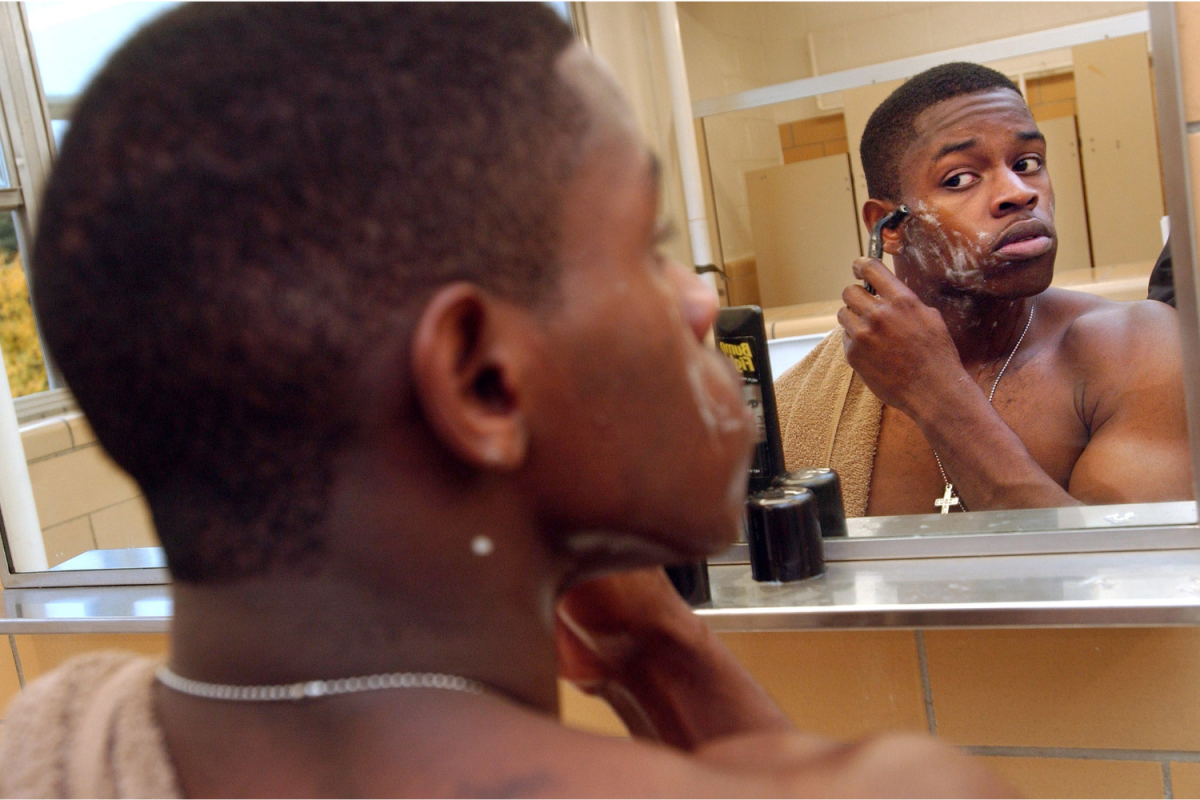
While the shaving rule may not be a big issue for some recruits, for others it could have a serious negative impact. One of the conditions most closely associated with military shaving waivers is pseudofolliculitis barbae (PFB), a chronic inflammatory skin disorder caused when shaved hairs curve back into the skin as they regrow
The condition most frequently appears on the face and neck and can cause painful razor bumps, ingrown hairs, inflammation, itching, infections, darkened skin patches and, in some cases, permanent scarring. Frequent shaving often worsens symptoms, making the disorder particularly challenging in professions that require a clean-shaven appearance
PFB is most often associated with tightly curled facial hair. Dermatologists and military health researchers have long found that the condition disproportionately affects Black men, though it is not exclusive to any one group. Studies have also found it may affect up to 83 percent of Black men during their lifetimes, but it can also affect white, Latino, Asian and Middle Eastern men with coarse or curly facial hair
…
The condition has also been at the center of legal disputes over grooming requirements, including a recently filed lawsuit by 17 African American firefighters in Washington, D.C., who allege a clean-shaven policy discriminated against them on religious and medical grounds, including PFB
During a recent visit to a Navy vessel, Hegseth once again highlighted the facial hair issue, noticing several sailors with beards during the June 2026 trip
Shortly after the visit, Pentagon officials held a series of meetings in which they told subordinates that Hegseth was closely monitoring progress on the beard policy and other workplace changes
CNN reported that the Defense Secretary’s trip later prompted a wider message to colleagues in June that the push to remove facial hair from armed forces personnel should “move faster.”
Contact Newsweek editors on this story: Rebecca FloodandGray R. Thomas
Request Reprint & Licensing
View Editorial & AI Guidelines
