


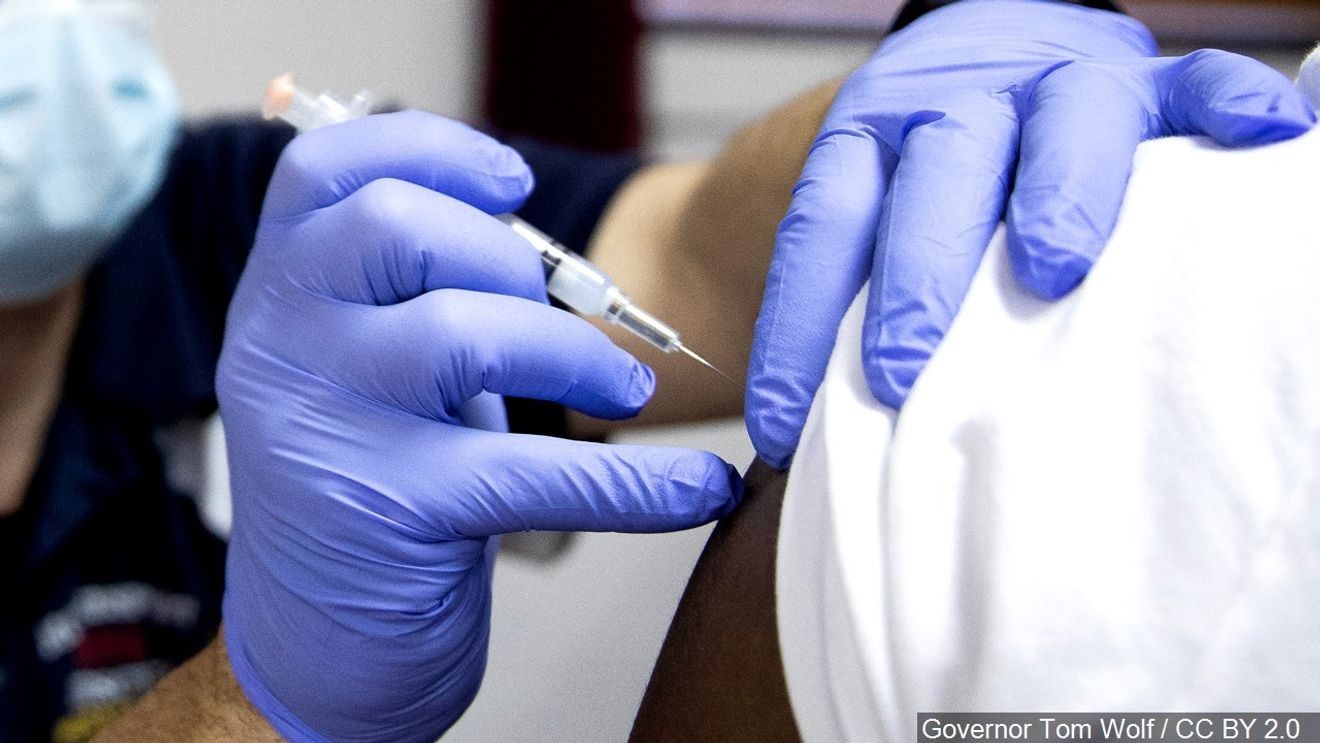
Senate investigates what health officials knew about COVID-19 vaccine side effects
Fri, July 10, 2026 at 11:05 AM
 3VIEW ALL PHOTOS

WASHINGTON (TNND) —A Senate review led by Sen. Ron Johnson is examining how federal officials handled reports of possible COVID-19 vaccine side effects, including whether safety signals identified through the nation’s vaccine reporting system were adequately disclosed to the public
Questions surrounding the federal government’s monitoring of COVID-19 vaccine safety have resurfaced as a Senate review led by Sen. Ron Johnson scrutinizes the Vaccine Adverse Event Reporting System (VAERS) and how reports of potential side effects were handled during the pandemic
The review is examining the role of VAERS—a national vaccine safety monitoring system jointly managed by the Centers for Disease Control and Prevention and the Food and Drug Administration—and whether federal health officials responded appropriately to reports submitted during the COVID-19 vaccine rollout
Dr. Ryan Cole, head of medical and scientific affairs for the Independent Medical Alliance, discussed the issue during an interview with The National News Desk
Cole described VAERS as an early warning system designed to identify potential safety signals after vaccines or other medical products are introduced
“VAERS has existed for about 30 years. It’s an early reporting system to find safety signals,” Cole said. “It’s basically the canary in the coal mine.”
He noted that healthcare providers, patients and family members can all submit reports to the system if they believe an adverse event occurred following vaccination
During the interview, Cole alleged that FDA officials failed to fully disclose safety signals identified through VAERS early in the COVID-19 vaccination campaign. He claimed officials were aware of reports involving serious medical conditions—including sudden cardiac death, strokes and pulmonary embolisms—as early as March 2021 but did not adequately inform the public
Cole did not provide evidence for those allegations during the interview, and federal health agencies have previously maintained that VAERS is designed to detect potential safety signals that require further investigation but does not establish that a vaccine caused a reported event
The Senate review is also examining reports of myocarditis, an inflammation of the heart muscle that has been associated in rare cases with mRNA COVID-19 vaccines, particularly among adolescent and young adult males. U.S. health officials have previously acknowledged the risk while continuing to state that the benefits of COVID-19 vaccination outweigh the risks for most eligible individuals
Cole argued that younger individuals should have been given more information about potential risks when deciding whether to receive a COVID-19 vaccine
When asked what patients and families with lingering concerns should do, Cole encouraged individuals to document suspected vaccine-related health issues, submit reports to VAERS if they have not already done so and consult physicians experienced in treating patients who believe they have sustained vaccine injuries
The Senate review comes as lawmakers continue to examine the federal government’s response to the COVID-19 pandemic, including vaccine development, distribution and safety monitoring
