skip to content
Rare purple Himalayan flower rediscovered in Arunachal Pradesh after 158 years
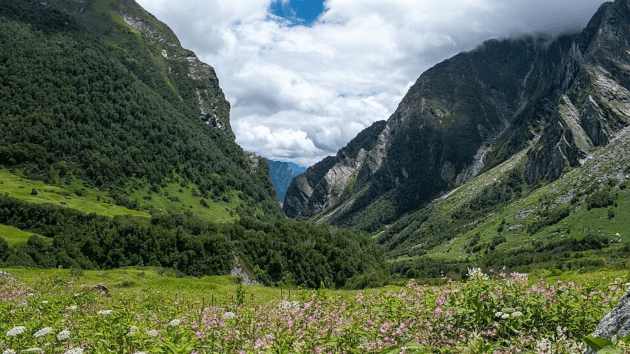
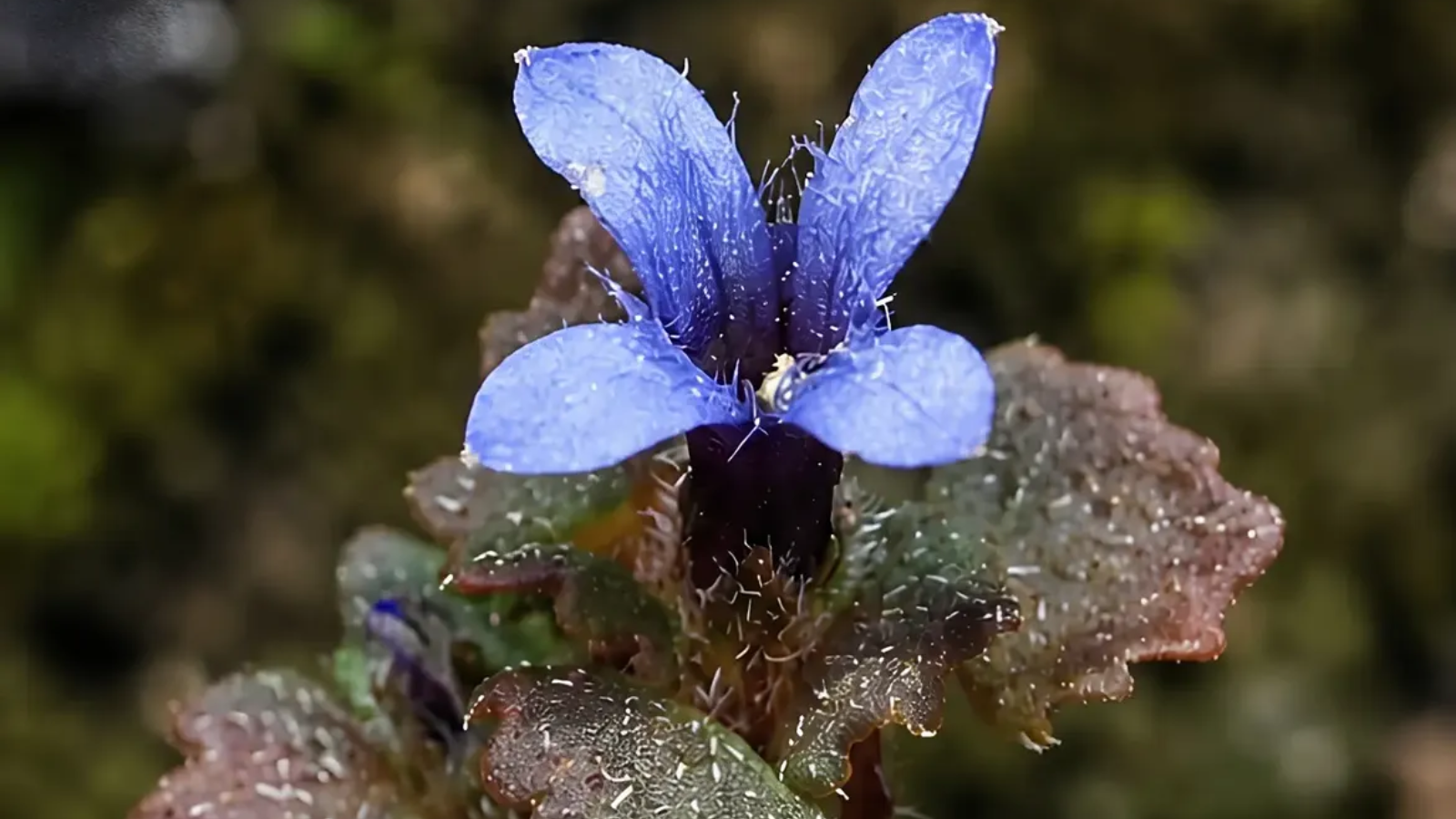
The scientists documented their discoveries in the journal Oryx, having located the species at an elevation of 3,600 meters amidst alpine grasslands and rocky terrain close to Arunachal’s Chuna Valley
Written by Aanya Mehta
July 12, 2026 10:00 IST
Updated : July 11, 2026 12:56 IST

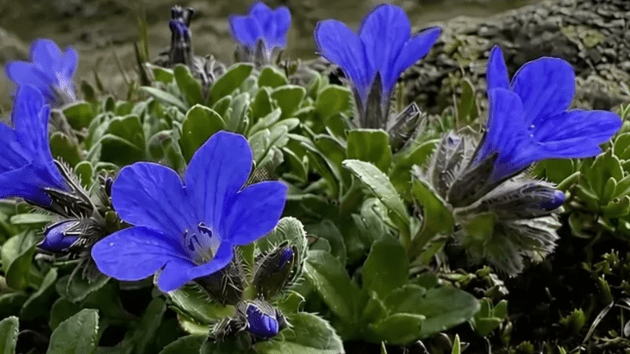
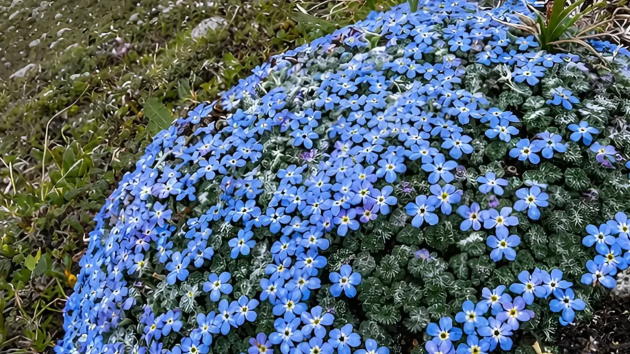
1 / 7After remaining unseen by scientists for 158 years, a rare purple Himalayan flower has been rediscovered in the high-altitude regions of Arunachal Pradesh. The remarkable find has excited botanists and conservationists alike, highlighting the Eastern Himalayas as one of the world’s richest yet least-explored biodiversity hotspots. Here’s everything you need to know about this extraordinary rediscovery. (instagram/official india)
2 / 7A flower lost for over a century: The rare alpine flower was last scientifically documented in 1868, making its recent rediscovery after 158 years a landmark achievement in Indian botany. Its reappearance has renewed interest in the unique flora of the Eastern Himalayas. (instagram/officialindia)
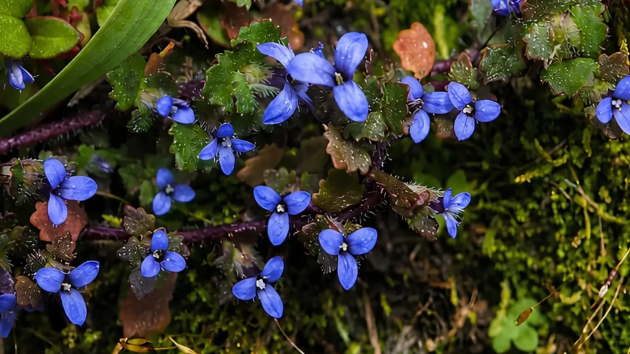
3 / 7A major breakthrough for conservation: Its rediscovery underscores the ecological significance of Arunachal Pradesh, a global biodiversity hotspot. Scientists believe the discovery will encourage further research and strengthen conservation efforts aimed at protecting fragile Himalayan ecosystems. (wikimedia commons)
4 / 7A reminder of nature’s hidden treasures: The discovery demonstrates that the Himalayas still hold countless botanical mysteries. Experts believe many rare and endemic plant species may yet be waiting to be rediscovered in the region’s unexplored valleys and alpine meadows. (wikimedia commons)
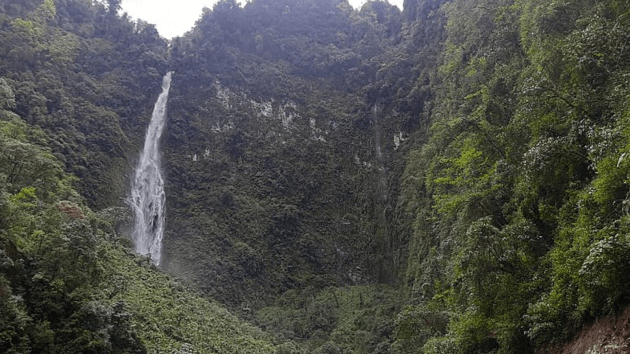
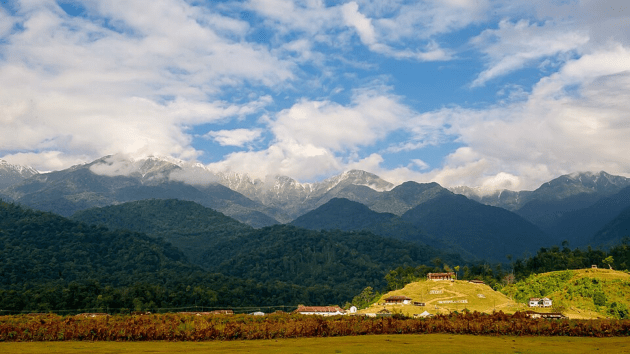
5 / 7Found in Arunachal Pradesh’s high Himalayas: Researchers rediscovered the flower during botanical fieldwork in the remote alpine regions of Arunachal Pradesh. The state’s rugged mountains and diverse ecosystems continue to yield species that have remained hidden from science for generations. (instagram/officialindia)
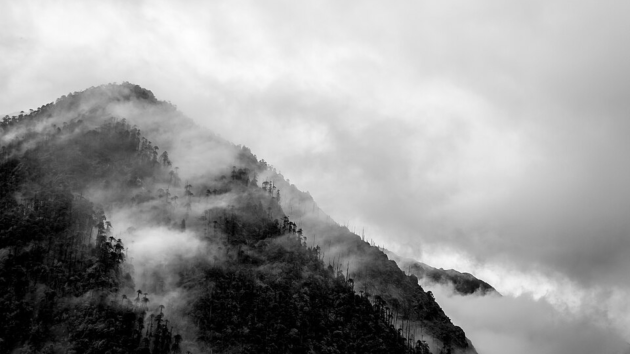
6 / 7Why it disappeared from scientific records? The flower had not been recorded since the 19th century, largely because of its restricted habitat, difficult terrain, and the limited number of botanical expeditions conducted in the region. Rather than being extinct, it had simply gone undocumented for decades. (wikimedia commons)
7 / 7Why this rediscovery matters? Beyond its scientific value, the flower’s return highlights the importance of continued field surveys, habitat protection, and documenting India’s native flora. Every rediscovery adds to our understanding of biodiversity and reinforces the need to safeguard these irreplaceable ecosystems for future generations. (wikimedia commons)