


By Janet Lee
July 12, 2026
A nutritious diet can help prevent and control many chronic conditions, but eating right can sometimes feel like a heavy lift: the shopping (and the prices!), the prep, and trying to figure out which foods are beneficial and which might only be masquerading as healthy
In addition, older adults might not feel as hungry as they used to, or eating healthfully may be harder due to mobility or dental issues. “With age, people are often content to eat fewer and fewer foods,” says Hope Barkoukis, PhD, chair of the department of nutrition at Case Western Reserve University in Cleveland. “Getting less variety increases the likelihood of not getting enough nutrients.” That can affect your independence and longevity. These simple tips will save you time and effort in the kitchen.
1. Stay Stocked
“I encourage people to keep staples on hand, like having a capsule wardrobe that you can build on,” says Ellie Fishbein, MD, director of geriatric primary care at WashU Medicine in St. Louis. Foods like Greek yogurt, eggs, beans, rice or other grains, root vegetables, frozen veggies and fruit, and canned tuna don’t spoil quickly and are convenient to grab—and dress up with healthy additions—when the mood (or hunger) strikes
2. Batch Cook
Even if you’re cooking for one, doing some meal prep one or two days a week saves you effort the rest of the days, Barkoukis says. Precook proteins and cut up veggies so that they’re ready to go when you’re hungry. Then you can easily add a starch, such as rice, a sweet potato, or whole-wheat pasta, when you’re ready to eat. If you prefer, cook a bigger dish—such as lasagna, a casserole, enchiladas, or egg bites—and refrigerate or freeze the extras
3. Pick One Pan
If the thought of cleaning up after dinner stops you from cooking, try the one-pan approach. Using a skillet or a rimmed baking sheet saves time and energy by reducing the need to wash so many dishes, says Kelly Kunkel, a master certified health education specialist and extension professor at the University of Minnesota, Mankato
4. Use Your Freezer
It’s easier to keep a variety of fruits and vegetables at the ready without the risk of them going bad if you opt for frozen. They’re just as nutritious as fresh. You can use only the amount you need, and they save you from doing the prep work. They’ll last 10 to 18 months in the freezer. (Tip: Write the date on the bags so that you know how long you’ve had them.)
You can also freeze fresh foods or leftovers you know you won’t get to within the next few days. Put individual portions in a freezer-safe container or bag and label it with the food and date. Meats and vegetables can last up to a year. For longer storage, try a vacuum sealer. You can use it with anything from half an avocado to individual chicken breasts. This tool extracts air from bags and creates an airtight seal around foods. Removing the air—and, more specifically, oxygen—eliminates freezer burn and extends a food’s life.
5. Hydrate With Smoothies
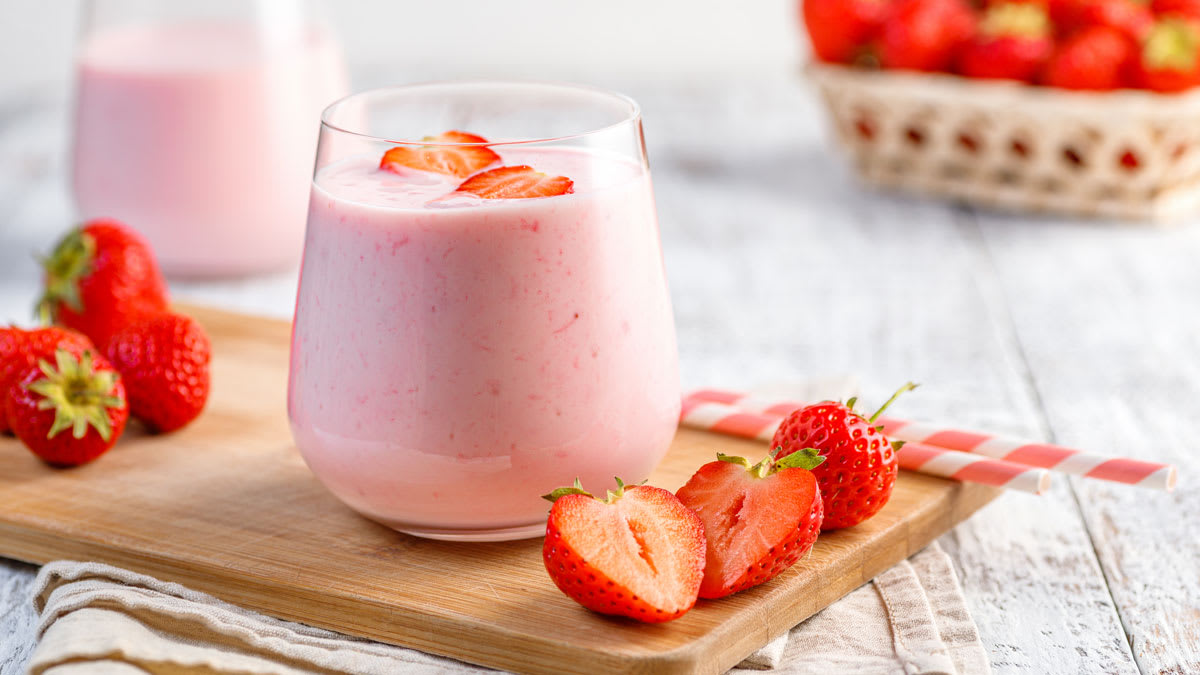
Barkoukis says that as we age, “we’re not as sensitive to thirst, so it’s easy to become dehydrated.” Smoothies are a tasty way to get fluids, and they provide a variety of nutrients. Combine a liquid (dairy milk or plant-based milk, water, or coconut water) with yogurt, nut butter, bananas, or avocado for creaminess; chopped kale or spinach; and your choice of fruit. “Include fiber-rich hemp or chia seeds, pulverized oats, or, if you prefer, psyllium husk, to support regular bowel movements and feed beneficial gut bacteria,” says Kathleen Moore, RDN, a dietitian at Ohio State University Wexner Medical Center in Columbus.
6. ‘Soup-ersize’ Your Meal
It’s a great vehicle—even in the summer—for hydration as well as nutrition. “You really can’t go wrong with soups, no matter what you put in them,” Barkoukis says. But definitely include some protein, such as beans, and a variety of fresh or frozen vegetables; even if you’re just heating up canned soup, toss in extra veggies
7. Try a Grazing Board
Little bites of several kinds of food can make for a fun meal and help avoid food waste. Some evidence suggests that this can also help stimulate appetite and food intake. Think pieces of cheese, leftover veggies, fruit, beans, and proteins, olives, hummus or salsa, and bread or crackers. One way to make up your plate is to clear out your fridge before grocery shopping day and use all the items you’ll need to toss soon
8. Reach for Beans
When budget or appetite limits your options, legumes—beans, soybeans, lentils, and peas—do double duty. They count as both a high-fiber vegetable and a protein. Add them to almost any savory meal and you’ve instantly elevated the nutritional value. (If you use canned beans, choose low-sodium varieties.)
9. Snack on Cereal
Beyond breakfast, cereal and granola are potentially healthy snacks, especially if you eat them with dairy or a plant-based milk and add some fruit and nuts. (Cereals are often highly fortified with nutrients.) You can munch on cereal dry, too, use it to top yogurt, or add it to homemade trail mix. “Combine granola or another cereal with nuts, dried fruit, and some dark chocolate or peanut butter chips,” says Lisa Trone, RDN, an associate clinical professor of nutrition at Florida State University in Tallahassee. Store it in a resealable bag.
If you choose a whole-grain cereal with at least 4 grams of fiber, a little sugar—6 grams or less of added sugars—is okay. In CR’s testing, Grape-Nuts; Cheerios; Post Great Grains Raisins, Dates & Pecans; and Bear Naked Granola Vanilla Almond Crisp were some tasty and nutritious options
Editor’s Note: This article originally appeared in the August 2026 issue of Consumer Reports On Health
