



Massachusetts researchers, public officials and scientific societies are pushing back against a Trump administration plan to assert more political influence over federal research grants
Scientific research is big business in the region, with hospitals, universities and other institutions employing thousands of federally-funded workers. Many are hoping to develop treatments for illnesses like Alzheimer’s, cancers and rare diseases, or study the effects of climate change
The proposed rule “would certainly be bad for Boston,” said Eric Rubin, Harvard professor and editor-in-chief of the New England Journal of Medicine
“The quality of science here is very, very high,” he said. And that high standard — along with the workforce, culture and industry that depends on it — is at risk
The proposed rule from the White House Office of Management and Budget would make sweeping changes to the way federal grants are awarded and managed. Scientific experts would still review research proposals and recommend which should receive funding, but they would not have the final word. Instead, political appointees would review awards to make sure the research aligns with the administration’s priorities and “the national interest.”
Administration officials would also have the power to deny awards — or cancel them at any time — if they decide the awardee or their institution reflects “anti-American” values, although what exactly that means is unclear
In addition, the rule would restrict funding for international collaboration, attending scientific conferences, and public communication of science
In its proposal, the Trump administration argues the changes will “improve transparency, accountability, and oversight” and ensure that “that American tax dollars are not wasted or misused, activities performed under Federal awards are consistent with law and policy, and recipients are held accountable when they fail to meet relevant standards.”
But many scientists, advocates and lawmakers say the policy would inject politics into science, make the federal government an unreliable partner, and could dull the country’s competitive edge
Any project receiving a federal grant is “at risk given this new proposed rule,” said Nancy Krieger, professor of social epidemiology at Harvard T.H. Chan School of Public Health. “There will be some kinds of research that are more vulnerable and more likely to be just prohibited flat out, but everyone will be at risk.”
The rule specifically aims to revoke funding for projects that promote a “ ‘woke’ policy agenda” or diversity, equity and inclusion, according to the proposal
Krieger, who focuses on health equity, said she is concerned about funding for her graduate students. She warned the policy could “kill the next generations of scientists.”
“There will be some kinds of research that are more vulnerable…but everyone will be at risk.”
Nancy Krieger, Harvard T.H. Chan School of Public Health
The effects of the proposed rule would likely hit hard in Massachusetts. The state receives more National Institutes of Health funding per capita than any other state, according to a statement from Gov. Maura Healey’s office
“This is bad for our communities that depend on this funding, bad for our ability to discover new lifesaving cures, and bad for American competitiveness,” said Healey. “We should be investing in research and innovation — not making it harder for our scientists and entrepreneurs to succeed.”
The governor’s office estimates that the Trump administration has already terminated up to $2.6 billion in National Institutes of Health and National Science Foundation grants that support jobs, innovation and medical research in the state. Federal funding cuts have stopped at least 18 clinical trials in Massachusetts and impacted an estimated 13,000 patients, Healey wrote in a January letter to Health and Human Services Secretary Robert F. Kennedy Jr
Some federal funding has been restored. But for some labs, the lost time meant experiments were unsalvageable, or researchers found jobs elsewhere. Rubin said the proposed rule would further hinder clinical research, which enrolls patients in experimental but potentially life-saving treatments
“ To pull the rug out from under them in the middle of a study not only destroys the study,” he said, “but it leaves those patients high and dry.”
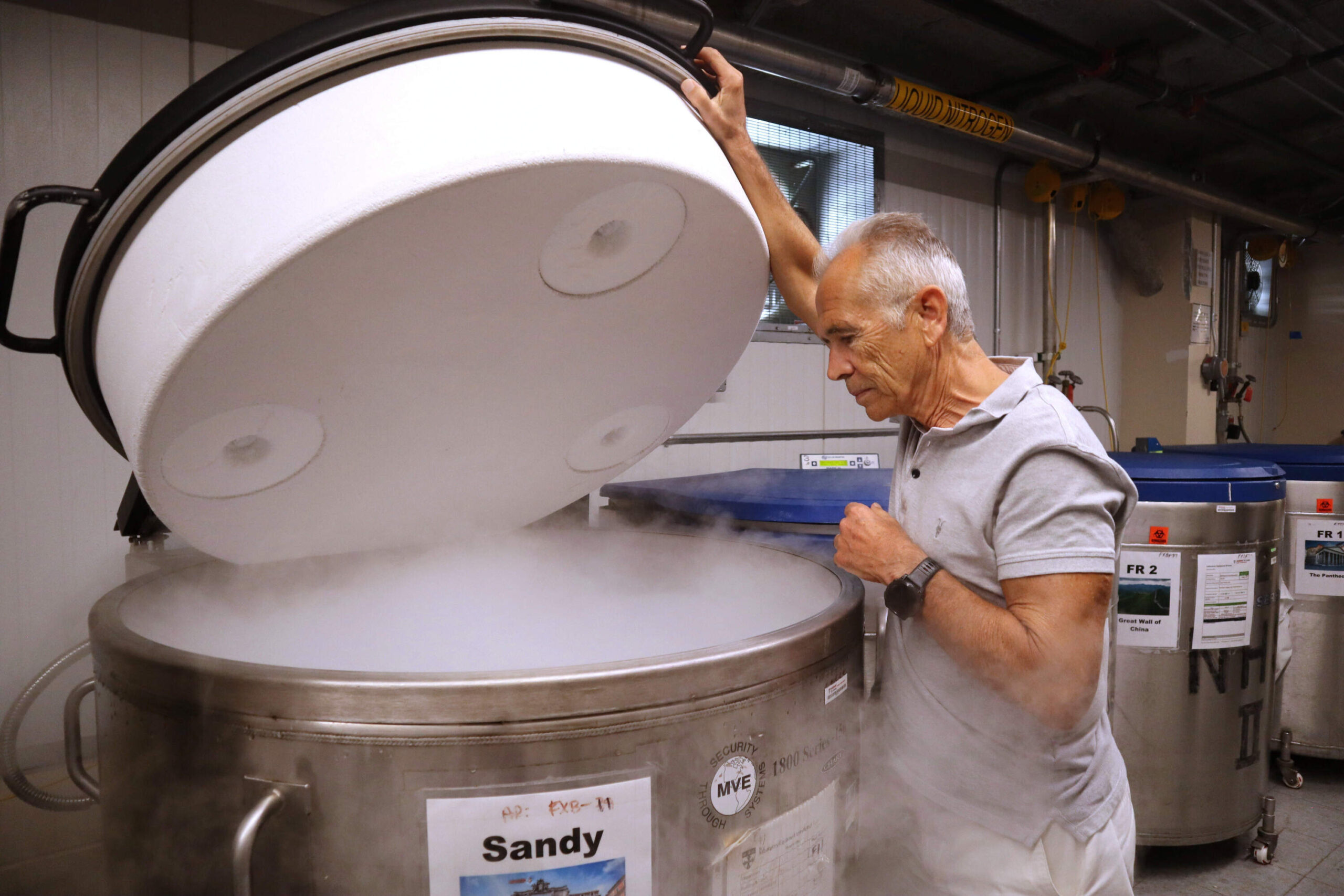
In a statement, a Dana Farber Cancer Institute spokesperson wrote that the proposed change would “disrupt” a research system that “takes years and relies on clinical trials and long-term follow-up,” in effect “slowing research progress and making it more difficult to develop new treatments for patients.”
The Office of Management and Budget implements the president’s budget and regulatory agenda, assigning federal funding to agencies including transportation, education and veterans affairs. But Senate Democrats have asserted that the proposed rule exceeds the office’s authority
Senate Democrats, including Massachusetts U.S. Sens. Ed Markey and Elizabeth Warren, signed a letter demanding Office of Management and Budget chair Russell Vought rescind the proposed rule. The state’s Congressional delegation submitted a similar letter
“As courts have ruled time and again, injecting such crude partisanship into federal grantmaking is illegal and far exceeds the President’s authority by meddling in funding appropriated by Congress,” said Markey in a statement. “I will keep pushing with my colleagues in the Senate and with partners here in Massachusetts to ensure this proposed rule is scrapped entirely.”
Max Holmes, president and CEO of Woodwell Climate Research Center in Falmouth, called the proposed rule “alarming,” and said it would undermine the system that has allowed research to flourish in the U.S. for decades
“ I’m not saying that there’s never been political influence on science in the United States. That wouldn’t be true,” said Holmes. “But one of the key things that have made us a scientific leader is that scientific discovery has been relatively shielded from politics.”
Holmes said the government’s ability to cancel grants “ at any point for any reason” would create “tremendous uncertainty,” that could hinder additional investment and slow scientific progress
“There are going to be negative effects on public safety, on infrastructure, national security and the economy.”
Amanda Staudt, executive director of the American Meteorological Society
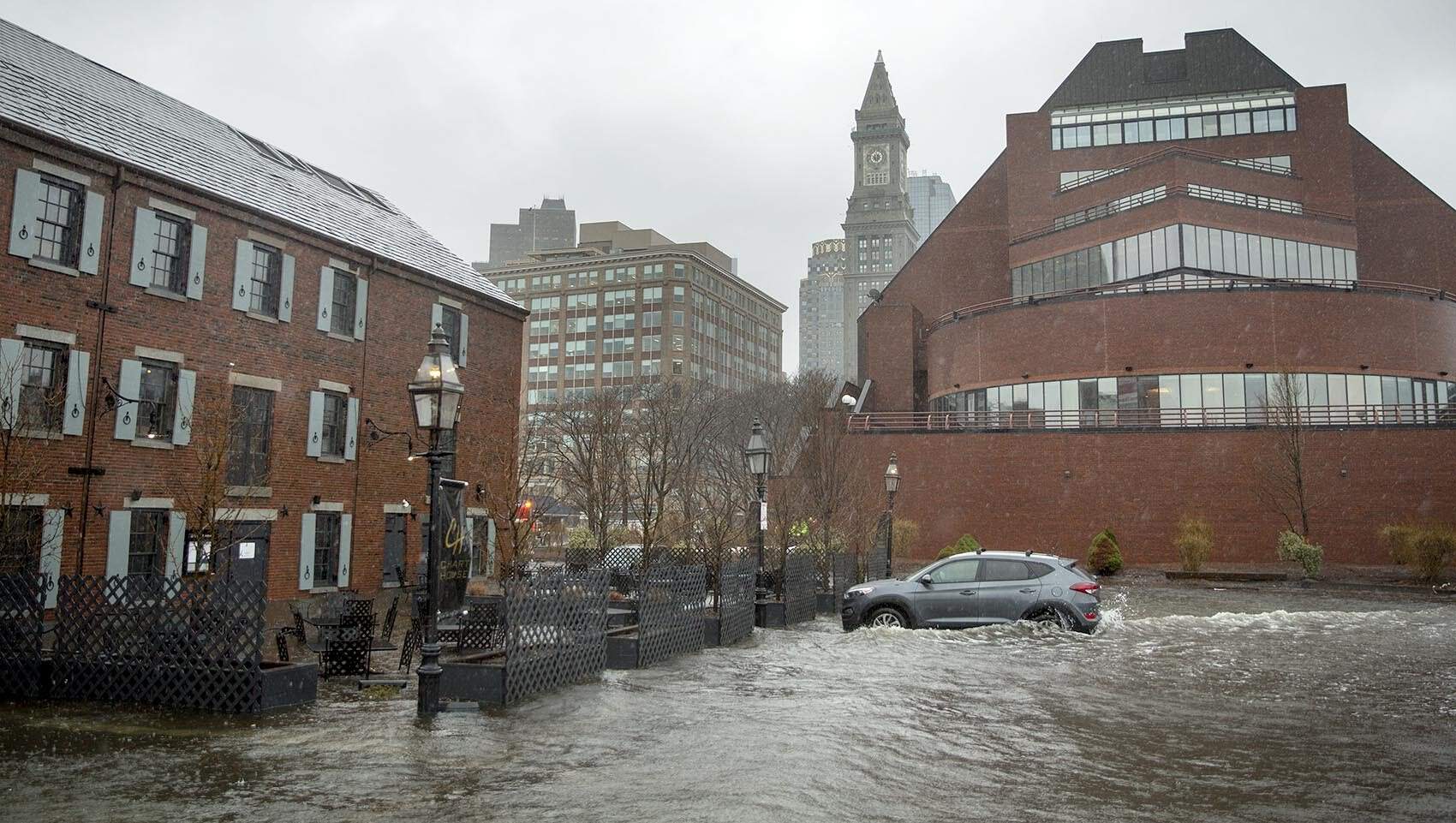
Amanda Staudt, executive director of the Boston-based American Meteorological Society, said as proposed, the rule could also impact emergency responses to extreme weather
Many weather stations are operated by universities that partner with the federal government and rely on federal funding, Staudt said. The rule would prohibit anyone receiving federal funds from “issue advocacy or public messaging” that promotes a particular policy
Staudt said this provision could give weather professionals pause before warning the public about an oncoming hurricane or heat wave, especially given the politicization of climate change
“You can imagine a situation in which their warnings might contradict the interests of an elected official,” Staudt said. “This ambiguity about whether that public communication is allowed would create a lot of challenges for that scientist or that forecaster in the moment.”
“If we damage our ability to understand, predict, respond to severe weather, then there are going to be negative effects on public safety, on infrastructure, national security and the economy,” she added
Scientific organizations and universities have urged their community members to write feedback on the proposed rule during the open comment period
Legally the Trump administration must respond to all comments before implementing the new rule, so opponents hope that a flood of comments — more than 250,000 at last count — will force the administration to change the rule, or at least slow the implementation. Federal officials intend to have the regulation finalized by October
Opponents also said the comments may offer justification for lawsuits if the Trump administration fails to address them, or prod Congress to intervene
“To me, it’s not inevitable that this rule will be implemented,” said Krieger with the Harvard T.H. Chan School. “The history is not foretold.”
