


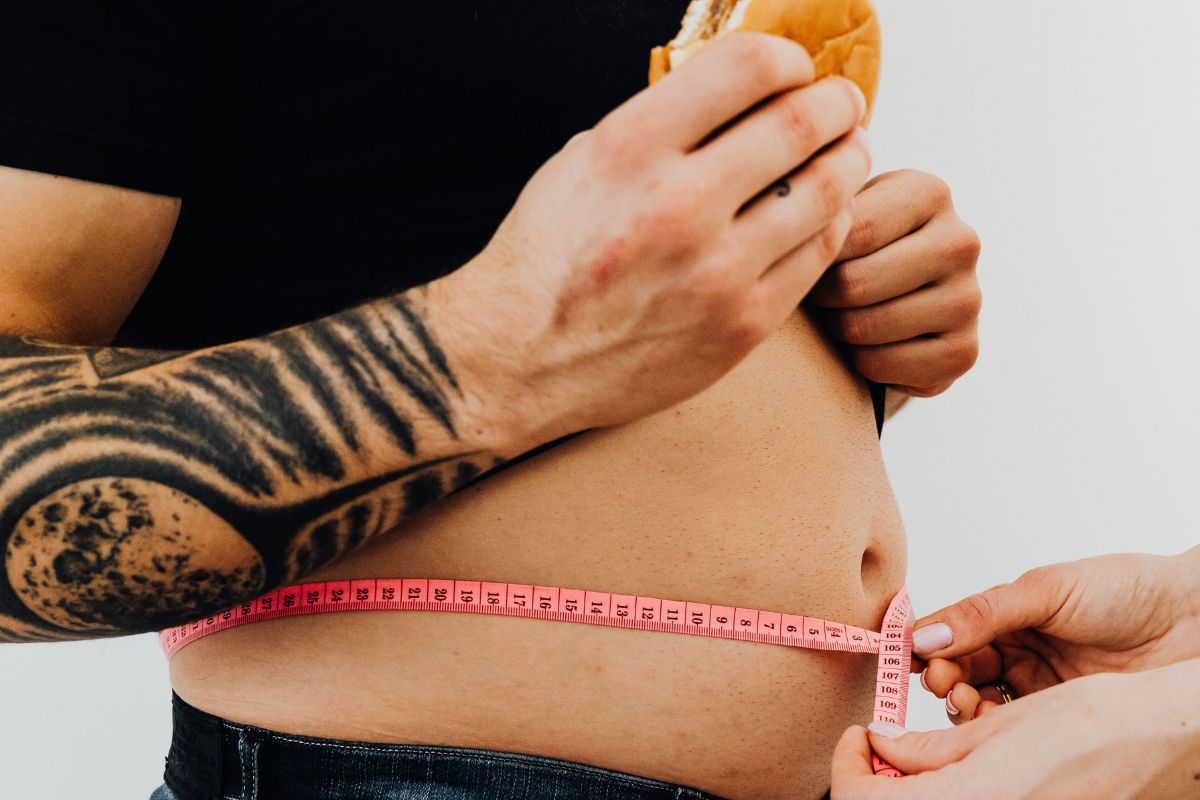
Obesity affects millions of South Africans. Learn about the difference between that and excess weight and when to seek medical advice. Image: Pexels
Obesity or just fat: When does extra weight harm your health
Obesity affects millions of South Africans. Learn about the difference between that and excess weight and when to seek medical advice
By
Mariana Balt
13-07-26 16:13
in
Health
Obesity affects millions of South Africans. Learn about the difference between that and excess weight and when to seek medical advice. Image: Pexels


Obesity is at the centre of South Africa’s current debate about weight-loss injections
Medicines such as GLP-1 receptor agonists have changed treatment options, but they have also revived a sensitive question. How do you know whether you are dealing with a medical condition or simply carrying extra weight?
The distinction matters because excess body fat exists on a spectrum
Nearly half of adult South Africans are overweight or living with obesity, according to local estimates. The burden falls heavily on women, with about 68% affected, while 31% of men are affected
Altogether, about 25 million South Africans face weight-related health challenges
WHAT IS OBESITY?
Doctors usually define obesity using body mass index (BMI). A BMI of 30 or higher generally falls into the obese category, while a BMI between 25 and 29.9 is considered overweight
BMI is useful, but it does not tell the whole story
A muscular athlete may have a high BMI without excess body fat. Conversely, someone with a lower BMI may still carry dangerous fat around the abdomen
Waist circumference, blood pressure, blood sugar and cholesterol levels also help doctors assess risk
IS EXTRA WEIGHT ALWAYS A HEALTH RISK?
Not everyone who is overweight faces the same health risks. However, risk rises when excess fat affects the body’s normal functions
Research shows that obesity can contribute to insulin resistance, low-grade inflammation and changes in appetite regulation
These changes increase the likelihood of type 2 diabetes, hypertension, heart disease, sleep apnoea and fatty liver disease. In South Africa, obesity-related conditions place a heavy burden on the healthcare system and cost the country billions of rand annually
MYTHS ABOUT OBESITY AND THE COMPLEX REALITY
One common myth is that obesity results only from laziness or lack of willpower. In reality, genetics, hormones, metabolism, medications, environment and lifestyle all influence body weight
Another myth is that people simply need to eat less and exercise more. Healthy eating and physical activity remain essential, but many people struggle with biological factors that make long-term <a href="https://healthylife7.com/dj-khaled-stuns-fans-with-dramatic-weight-loss-see-the-photos/" title="DJ Khaled Stuns Fans With Dramatic Weight Loss: See The Photos”>weight loss difficult
This is why medical treatment, including weight loss injections or bariatric surgery, may be appropriate for some patients
Weight loss injections can help regulate appetite and improve blood sugar control. However, they are not cosmetic shortcuts and should be used under medical supervision
They work best alongside sustainable changes in diet, activity, sleep and ongoing support
WHEN SHOULD YOU WORRY?
You should consider seeking medical advice if your weight affects your blood pressure, blood sugar, cholesterol, breathing, sleep, mobility or daily quality of life
Repeated unsuccessful attempts to lose weight may also indicate that underlying biological factors need attention
A healthcare professional can assess your BMI, waist circumference and overall health profile. They can also discuss evidence-based options, from nutrition and exercise plans to medication or surgery when appropriate
The goal is not to label people harshly. It is to identify health risks early and provide effective support
Understanding the difference between carrying extra weight and having obesity can help South Africans make informed decisions about their long-term health
Tags:featuredhealthImportantObesitySouth AfricaWeight-loss
