


- Related
- DHHS
- Destin Hall
- Phil Berger
- CDC
- FDA
- NBC News
- NCCapitol
- health
A surge in illnesses tied to exposure to the parasite cyclospora is putting a spotlight on a public-health conundrum: How can states adequately investigate foodborne illnesses as federal re
The parasite has sickened more than at least 240 North Carolinians since May 1 with no confirmed source
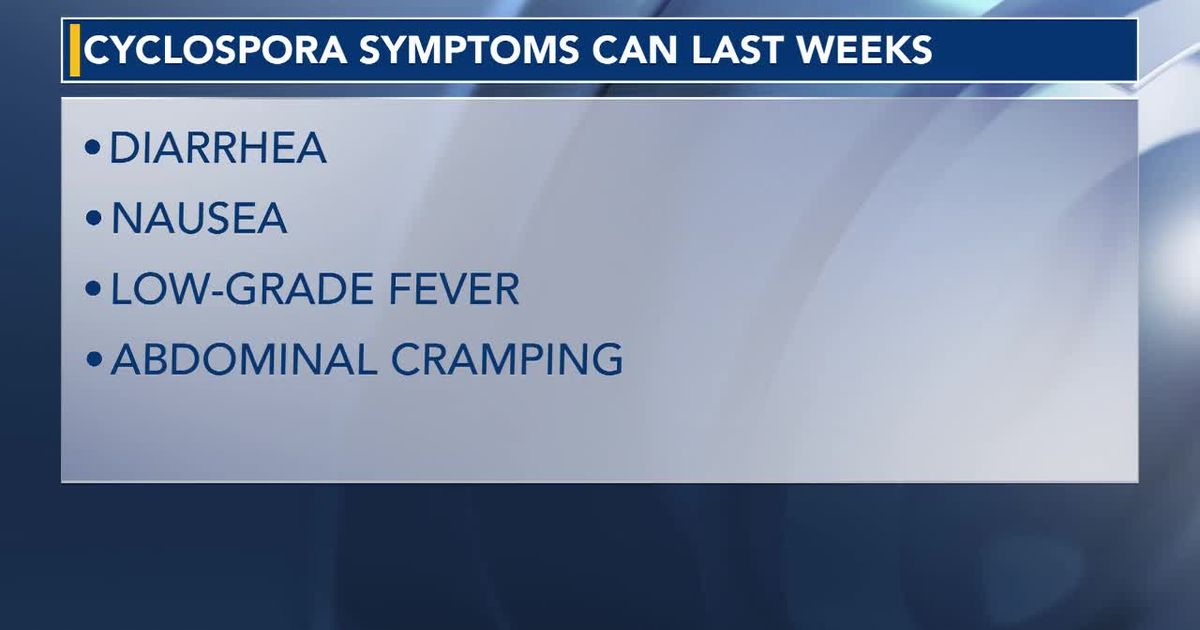
Cyclospora causes an intestinal illness called cyclosporiasis. People contract cyclosporiasis when they consume food or water contaminated with the parasite. Symptoms can include prolonged diarrhea, stomach cramps, nausea and fatigue
Wake County has reported the largest share of cases, accounting for almost two-thirds of the state’s cases as of Friday. More than 100 cases have been reported in the past week
The increase comes as public health agencies face changes at the federal and state levels, including reduced federal support for some programs with limited changes in North Carolina’s new state budget. The federal government has scaled back some foodborne illness tracking. The Centers for Disease Control and Prevention last year reduced required surveillance through its Foodborne Diseases Active Surveillance Network, known as FoodNet, including ending required active tracking of cyclosporiasis cases.
The CDC told NBC News that the change was made because funding had not kept pace with the rency said other systems would continue monitoring illnesses no longer included in FoodNet
State funding hasn’t made up for the loss in federal funding.
Last year, DHHS lost more than $100 million in federal grant funding and 80 positions following federal reductions affecting disease monitoring, immunization programs and other public health activities
DHHS epidemiology and disease officials lead cyclosporiasis investigations. They saw state funding decrease by about 1.3% between fiscal years 2025-26 and 2026-27. Authorized staffing remained unchanged at roughly 320 positions
The reduction in funding was largely tied to a previous HIV and AIDS medication assistance program. Because federal Medicaid expansion increased coverage for those medications, the state no longer needed the same level of funding for that program
The state budget doesn’t identify a separate amount of funding or number of employees dedicated specifically to cyclosporiasis investigations. Those investigations are part of a broader communicable disease system that also tracks illnesses such as HIV, tuberculosis and vaccine-preventable diseases
The agency’s foodborne illness surveillance program has not experienced any staffing changes because of federal funding cuts, DHHS said in a statement to WRAL.
“The department works with county, state and federal partners to investigate Cyclospora cases by interviewing patients, identifying possiblekesperson said in a statement.
Spokespeople for House Speaker Destin Hall and Senate Leader Phil Berger didn’t immediately comment on whether the increase in cases could prompt additional legislation or funding
State Rep. Erin Paré, R-Wake, who helps write the state budget, said lawmakers are prepared to work with federal officials if additional re
“We are always advocating and working with our federal partners on situations like this,” she told WRAL on Monday. “If it gets to the level, if we need to start advocating harder for federal help, we will do so.”
Other parts of the public health system have seen increases. The DHHS’s Environmental Health Section, which includes food safety responsibilities, has grown in funding and staffing in recent years. Those employees, however, handle a wide range of duties and are not assigned only to investigations of the cause of cyclosporiasis
Federal grants have historically supported state public health work, including laboratory testing, disease surveillance and emergency response. North Carolina continues to receive federal support through entities such as the CDC’s Epidemiology and Laboratory Capacity Program, which helps strengthen laboratory systems and detect infectious disease threats
