


Disease-resistant coral found that could help restore Florida’s reef
WUSF |
By
Steve Newborn
Published July 14, 2026 at 5:00 AM EDT
Mote Marine Laboratory
Florida’s coral reef has been beset by warming seas and rampaging disease. Now, one study has found coral resistant to one of the deadliest diseases ever recorded
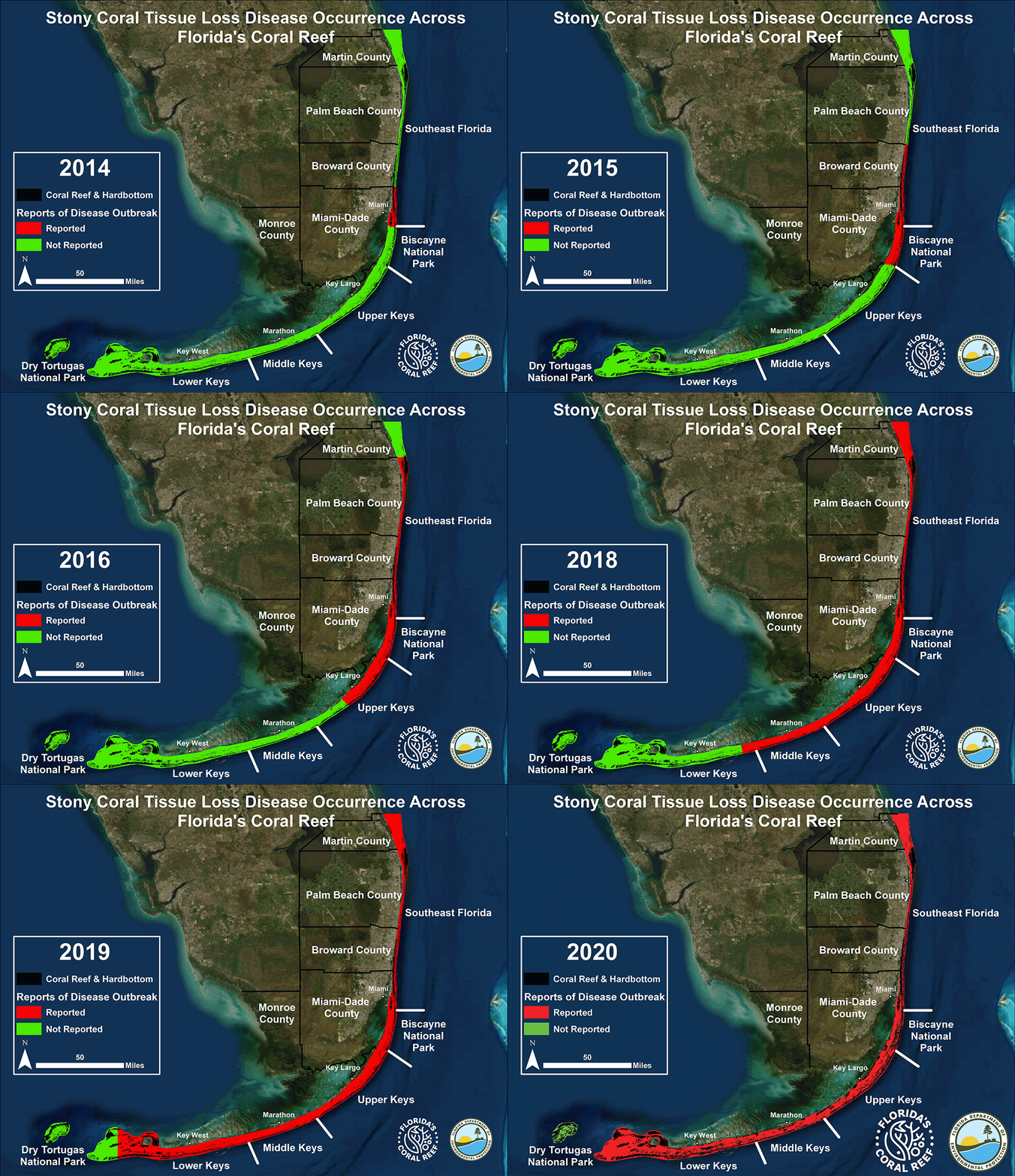
Stony Coral Tissue Loss Disease has killed countless coral across Florida and the Caribbean since it was discovered off Miami in 2014
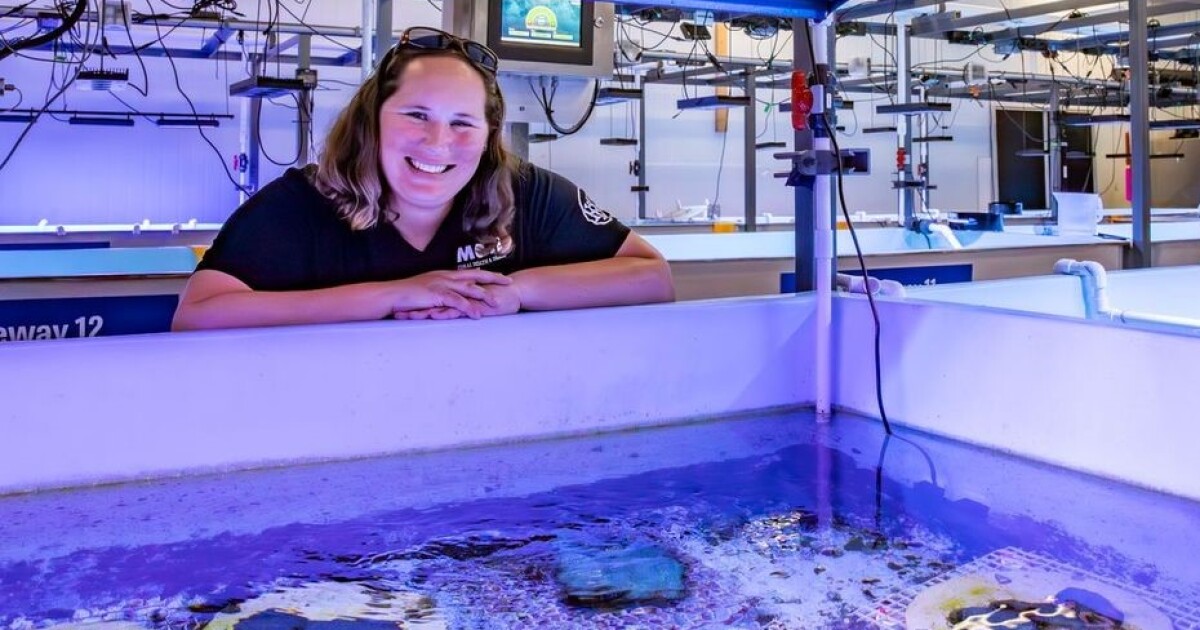
Now, researchers at Sarasota’s Mote Marine Laboratory have identified some disease-resistant coral. Research scientist Sara Williams said it could help repopulate the reef with hardier coral
“What we can do is take the results from this study to inform which corals we put on the reef,” she said. “So that way if we put more resistant corals out, hopefully, those corals are going to survive the next disease wave and continue to grow and build more resilient reefs.”
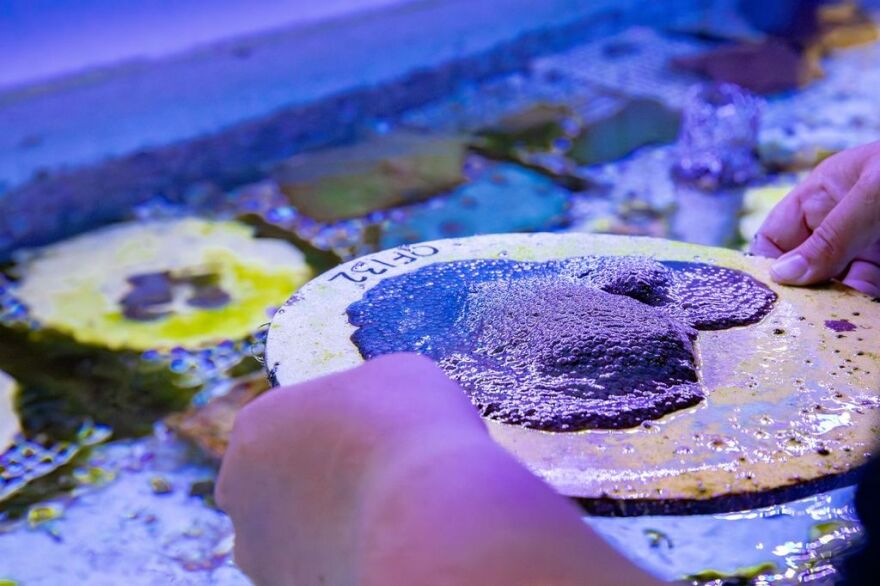
The study was published this month in Scientific Reports. Mote researchers evaluated 154 genetically distinct mountainous star coral. They conducted four experiments to determine how individual corals responded after exposure to stony coral disease, which is one of the most destructive coral diseases ever documented
“We would take healthy fragments of 154 genotypes, and we would take those healthy fragments and stick them right along the disease lesion of those diseased fragments,” Williams said. “And then we would just wait and see when those healthy fragments got the disease. So how quickly did they get the disease, and then after that, how quickly did it take for them to die.”
She said they discovered a whole range of resistance to the disease
“Some of them stayed healthy the entire time, or if they did get the disease, they didn’t get it as quickly as the other corals in the experiments, or it took longer for them to die,” she said
Florida Department of Environmental Protection
Mountainous star coral is a major reef-building species and is highly susceptible to stony coral tissue loss disease, making it a priority for restoration efforts. During the experiments, Mote scientists monitored corals after exposing them and collected over 2,500 samples to better understand why some corals become infected while others do not
ALSO READ:‘Noah’s Ark’ aims at keeping Florida’s coral reef alive
Mote researchers caution, however, that resistance to disease isn’t the only factor in helping to rebuild the reef. Hotter weather puts stress on the reef, and ocean acidification that makes it harder to grow will only increase
Williams said genetic splicing could eventually be tried, injecting the genes that convey the resistance to disease to other species on the reef
“It’s not something that we’re able to do right now, but is it possible in the future? I hope so,” Williams said
Mote Marine Laboratory
