


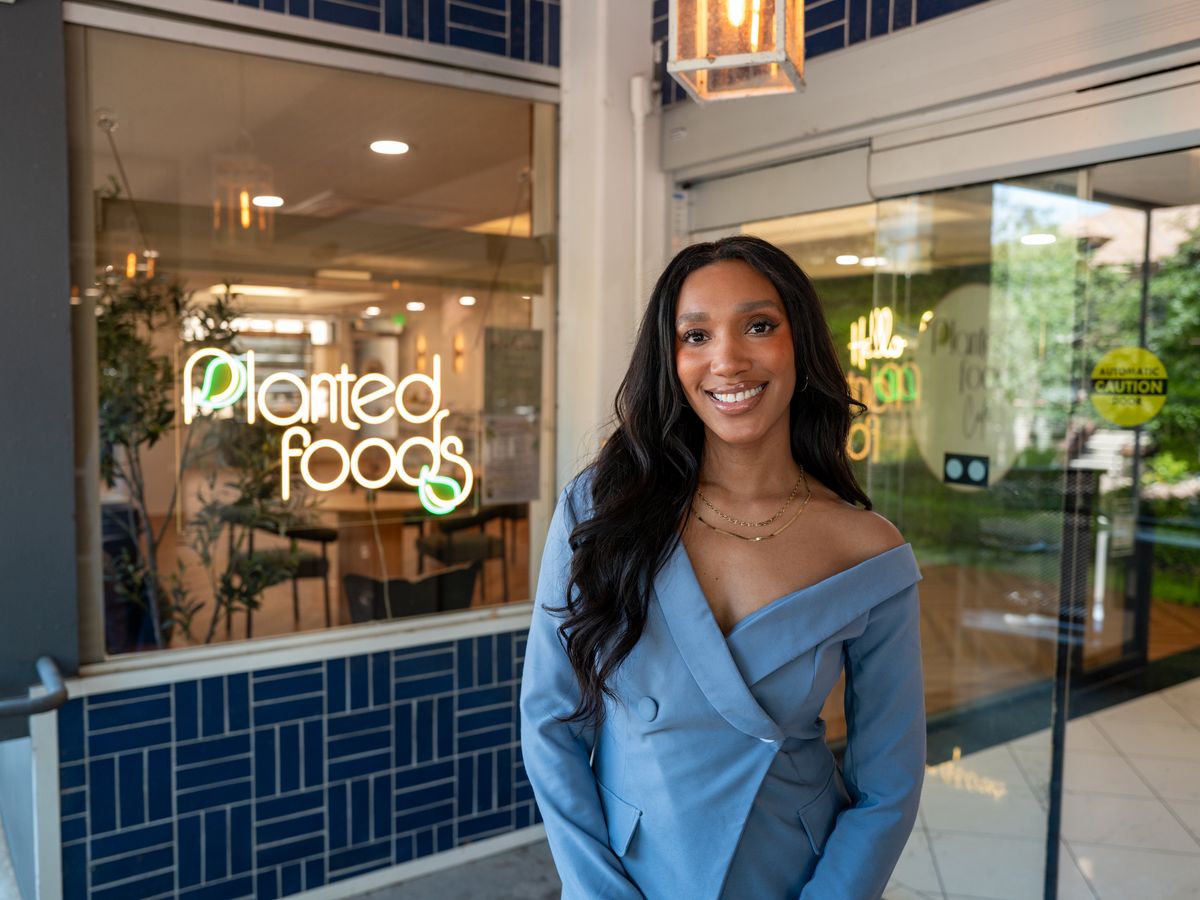
Ashley Kirk thought she was doing everything right
Fresh out of college, she landed a career in supply chain management, keen to prove herself. In her mid-20s, she managed high-pressure accounts, worked long hours and chased what many consider success. But behind the promotions and milestones, her health quietly unraveled
She battled daily migraines, chronic stress, anxiety and exhaustion. Her physician recommended medication or therapy, but neither felt like the right answer
“I was willing to do whatever it took to be successful,” Kirk says. “But I got sick.”
Searching for another path, she began researching nutrition. Within a week of switching to a plant-based diet, she noticed a dramatic difference. Her energy returned, her mind felt clearer, and the migraines, which had become part of everyday life, nearly disappeared
“I felt better than I ever had,” she says
But another challenge soon emerged
Like many trying to eat healthier, Kirk turned to convenient vegan substitutes. The more processed foods she bought, the worse she felt
She started reading ingredient labels
“I couldn’t understand why vegan sausage didn’t make me feel as good as eating kale,” she recalled. “The more I looked, the harder it was to find real food in the food.”
Determined to create meals with whole ingredients instead of lengthy ingredient lists, Kirk began experimenting in her kitchen. She re-created familiar comfort foods, from chickpea “tuna” to sweet potato sliders — not to open a restaurant, but to make healthier versions of the foods she loved
That personal journey eventually grew intoPlanted Foods, a Sacramento café and catering company built on the belief that healthy eating should be convenient, flavorful, and culturally familiar, not intimidating
A Bigger Conversation About Health
Kirk’s story emerges against a larger public health challenge
According to the National Library of Medicine, Black Americans experiencedisproportionately high rates of hypertension, heart disease, and Type 2 diabetes, conditions shaped by a complex mix of genetics, chronic stress, health care access, environmental factors, and nutrition
While food alone cannot eliminate such disparities, nutrition experts say healthier eating patterns can play an important role in prevention and disease management
“Nutrition plays a major role in the prevention and management of these conditions,” says Barbara Gowen, a registered dietitian nutritionist and certified diabetes care and education specialist in the Sacramento area. “When we have regular access to healthy foods like fruits, vegetables, whole grains, legumes, nuts, and seeds, we’re able to better support our bodies.”
Research consistently shows that adding more plant-based foods to a person’s diet can improve overall health, Gowen says, but becoming fully vegan isn’t necessary
“You can simply increase your intake of plant-based foods, especially proteins like beans and lentils, and reduce your risk of developing chronic conditions,” she says
That’s the message Kirk hopes people hear
“It’s about helping them make healthier choices,” she says
Building Something She Couldn’t Find
Growing up in Oakland, food was central to family life
Kirk’s grandmother brought Southern traditions from Louisiana. Her mother emphasized vegetables and balanced meals. Her father enjoyed experimenting with different cuisines
Then came college. Fast food, pizza, and convenience meals became routine
Years later, when she decided to improve her health, Kirk wasn’t interested in abandoning the foods she grew up eating. Instead, she searched online for plant-based versions of familiar favorites and combined recipes until they reflected both tasty and nutritious
Friends, coworkers, and family members became her first taste-testers
At first, many were skeptical. Could vegan food actually taste good? Wasn’t it just salad? Wouldn’t she miss protein?
Those questions got familiar
“They’d laugh,” Kirk recalls. “Then they’d try it.”
Slowly, opinions changed
Sharing food around the table evolved into catering requests, pop-up events and, eventually, the launch of Planted Foods in 2018
Today,Planted Foods operates from Sacramento’s Trinity Buildingat 2701 Capitol Ave., serving grab-and-go wraps, sandwiches, salads, wellness beverages, and chef-prepared meals designed for busy professionals and wellness-focused customers
Every item is intentionally crafted around one of four wellness goals: supporting cell function and energy, providing protein, improving overall nutrition, or offering lower-calorie options
Even the café’s packaging reflects Kirk’s philosophy
Every meal is wrapped with affirmations intended to encourage customers long after they’ve finished eating
“We’re not just serving food,” Kirk says. “We’re creating an experience.”
That experience goes beyond what’s on the menu. Planted Foods blends modern nutrition science with whole-food ingredients and wellness traditions, working to make healthy eating both accessible and enjoyable
For Kirk, one of the biggest misconceptions surrounding plant-based eating is that it’s either expensive or inaccessible
She argues the opposite
Healthy eating doesn’t require specialty products or costly meat substitutes. Staples such as beans, lentils, oats, rice, and seasonal vegetables often are among the most affordable items at the grocery store
Gowen agrees that healthier eating doesn’t have to come at the expense of cultural identity
“It is not only possible, but it is also important that people maintain their cultural foods and traditions,” she says. “We can still cook with lots of robust flavors and make food taste delicious while considering the healthful impact of our food choices.”
She also cautions against blaming traditional cultural foods for chronic disease
“The reasons behind these conditions are much more complex,” she says, pointing to social determinants of health, including access to healthy food, health care, and economic opportunity, as major contributors toward disparities
Holistic clinical nutritionist Kiki Magnuson echoes that perspective
“Healthy eating recommendations only work if people can realistically follow them,” Magnuson says. “If nutritious foods are too expensive, difficult to access, or don’t fit within a person’s culture or traditions, long-term change becomes much harder.”
She encourages people to focus on progress rather than perfection
“Adding more vegetables, beans, whole grains, and other whole foods, even without eliminating animal products, may produce significant health benefits over time.”
Meeting People Where They Are
Kirk also pushes back against the idea that changing your diet has to happen overnight
She tells customers that lasting change begins with mindset, not perfection. Rather than overhaul every meal, she encourages people to start with one healthier choice at a time, adding vegetables to a favorite dish, swapping in beans for one meal a week, or simply becoming more intentional about what’s on their plate
“People think they have to change everything,” she says. “You don’t. Start where you are.”
She believes small changes repeated consistently are far more sustainable than chasing perfection. “You’re eating ham hocks,” she jokes, “put a salad on the side.”
Her goal isn’t to judge people’s food choices. It’s to help them believe healthier eating is possible
“If we keep passing down those bad habits,” she says, “we’re going to continue to pass down those diseases.”
She also shares websites she is inspired by for tasty, healthy recipes:It Doesn’t Taste Like Chicken,Sweet Potato Soul, andAhmad Noori on Instagram
A Growing Impact
Planted Foods has partnered with businesses across the Sacramento region, including Apple
“I have worked with Ashley and the Planted Foods team for eight months, and the experience has been nothing but positive,” says Michael B., who works with Apple food services. “Our team loves that our cafeteria is serviced with unique custom meals that are fresh and local. This niche food service reduces our costs and keeps our employees healthy, happy, and fulfilled.”
First-time customer Jessie Z. shared similar enthusiasm in a Google review after visiting the café
“This place has such a positive vibe,” she wrote. “The people here are super friendly, and the food is ready to go.”
For Kirk, those responses reinforce that healthy food doesn’t have to feel restrictive or exclusive
What’s Next
Kirk’s ambitions stretch far beyond operating a successful café
She envisions Planted Foods becoming part of a larger wellness ecosystem
She’s developing an app that will help people navigate healthier eating, discover meals that fit their nutritional needs, and build healthy habits
She hopes to partner with gyms so members can easily access nutritious meals after workouts
Eventually, she’d like to collaborate with hospitals and health care providers, allowing patients to leave appointments not only with prescriptions, but with meals designed to support their health
Her vision expresses a simple philosophy: food should be part of health care, not an afterthought
For Kirk, Planted Foods never has been simply about selling wraps, salads, or smoothies
It began with one woman searching for relief from migraines and burnout
Today, it’s a business challenging long-held assumptions about healthy eating in Black communities, one meal, one conversation, and one small step at a time
Planted Foods is open 9 a.m.-3 p.m. Tuesday-Friday
Story Tags
Print-Title: Wellness With Flavor
Subhead: Ashley Kirk Challenges Misconceptions About Healthy Eating In Black Communities
Byline: By Neenma Ebeledike | OBSERVER Staff Writer
Section: A
Page: 12
Slugline: Wellness With Flavor
Notes: Section header is HEALTH. Story runs on pages 12-13 and is Section A COVER STORY. Story also contains bolded subheads and hyperlinks that should not be live/visible in print layout
