



Christina Manian, RDN
Tue, July 14, 2026 at 7:15 PM UTC
Key Takeaways
Keep summer eating steady by sticking close to your usual meal and sleep schedule, and build meals around protein, whole grains, healthy fats, and fiber to support consistent energy
Make hydration a daily priority by drinking plenty of water, leaning on produce-rich meals and snacks, and swapping some alcoholic drinks for mocktails or other low-alcohol options when it’s hot
Enjoy summer food without aiming for perfection by choosing more fresh seasonal produce and satisfying whole-food meals most of the time, while still leaving room for favorite treats in a mindful way
Many of us associate summer with feeling our most vibrant and active, thanks to the warm weather. Spending more time outdoors often translates to more steps each day—especially compared to other times of the year. And, of course, summer also brings more opportunities for other traditional forms of physical activity, like hiking, biking, walking, and swimming
However, unhealthy habits and food choices can also creep into the season with all the summer barbecues and get-togethers featuring rich side dishes, frozen desserts, and other indulgent treats. With this in mind, we asked eight registered dietitians (RDs and RDNs) to share their number one tip for making healthier choices this summer—and some of their advice might surprise you!
Stay Consistent with Meal Times
Gabrielle Kishner, MS, RD, CDN, registered dietitian and founder of Nutrition By Gabrielle in New York, New York urges readers to try to be as consistent with their usual meal times as possible when prioritizing health throughout the summer. “My number one tip for staying healthy during the summer is to eat balanced meals consistently throughout the day. Try to have breakfast within one to two hours of waking up, and continue eating every four to six hours to help keep your energy steady. At meals, aim to include a mix of protein, whole grains, unsaturated fats, and fiber,” she explains.
It’s Okay to Bend the Rules
Meanwhile, sports, menopause, and body image dietitian, Dr. Theresa DeLorenzo reminds us that you don’t have to be perfect during the summer season. In fact, it’s more than okay to occasionally stray from the healthy habits you typically stick to. “Bend the rules while on vacation, food should be fun too! Try not to avoid your favorite foods while on vacation. Eat the ice cream, eat the local cuisine but do it mindfully so you don’t overdo it,” she encourages
Switch It Up with Mocktails
While refreshing cocktails are something many Americans look forward to during the summer months, subbing in mocktails every once in a while can really pay off when trying to make healthier choices. “The heat of the summer often means indulging in a cold craft beer or tropical cocktail after work, but it’s important to understand the risks of alcohol consumption when it’s hot outside. Alcohol is a diuretic, meaning it causes dehydration. During the summer, spending more time outside and sweating more can already lead to dehydration, and alcohol only makes this worse. So, instead of reaching for a beer or cocktail, try low-alcohol or alcohol-free beer or mix your own mocktail—a watermelon-mint cooler is a hydrating and delicious option. Combine two cups of watermelon chunks and six mint leaves in a blender, then stir in fresh lime juice, top with sparkling water, and add ice,” shares Sarah Glinski, RD, gut health registered dietitian and owner of Gut-Friendly Nutrition in Langley, British Columbia, Canada.
Stay Hydrated
Speaking of hydration, it should come as no surprise that prioritizing fluid intake during the hot summer months made this list. In fact, it’s a top priority for registered dietitian Kelly Burgess, MBA, RD, LDN. “Staying hydrated is essential during the summer because nearly every organ depends on enough fluid to properly function. How much you need depends on your age, sex, body composition, activity level, altitude, and climate. According to the European Food Safety Authority, the U.S. National Academy of Medicine, and the World Health Organization, general daily fluid needs are 85 to 125 ounces for adult men and 68 to 91 ounces for adult non-pregnant women. These recommendations assume moderate activity and average weather conditions, however, summer heat changes the equation. Exercise and sweating can increase water losses by approximately 10 to 81 ounces per hour, depending on workout intensity and outdoor temperatures,” she shares. And while water should be your primary source of hydration, Burgess also explains that about 20 percent of our daily water intake can (and should!) come from food sources like fruits, veggies, soups, and stews.
Be Mindful of Ultra-Processed Foods
Although ultra-processed snacks are often a staple at summer barbecues, Jennie Miremadi, MS, CNS, LDN, integrative licensed dietitian-nutritionist and founder of Jennie Miremadi Nutrition, encourages you to be careful of mindlessly indulging. “Even if you’re on the go this summer, avoid snacking on processed, refined carbs like potato chips and pretzels. They spike your blood sugar—and then it crashes, which can lead to cravings for more refined carbs. Instead, prioritize filling, whole foods-based meals and plan ahead if you need to. For example, if you’re off to the beach for the day, make or buy a salmon niçoise salad (greens, salmon, green beans, hardboiled eggs, olives, potatoes and an olive oil-based vinaigrette) and store it in your cooler with ice to keep it fresh,” she offers.
Protect Your Routine
Similar to prioritizing regular meals, registered dietitian Jackie Bridson, MA, RDN, recommends protecting your regular routine at all costs. “Longer days and travel can easily throw off your schedule, but try to keep your sleep and wake times within an hour of normal. Consistency keeps your circadian rhythm and metabolism on track. Warm evenings can also make it harder to wind down, so a few hours before bed, drop the thermostat below 70°F and power down heavy electronics. A cooler room signals to your body that it’s time to sleep,” she says.
Lean Into Seasonal Produce
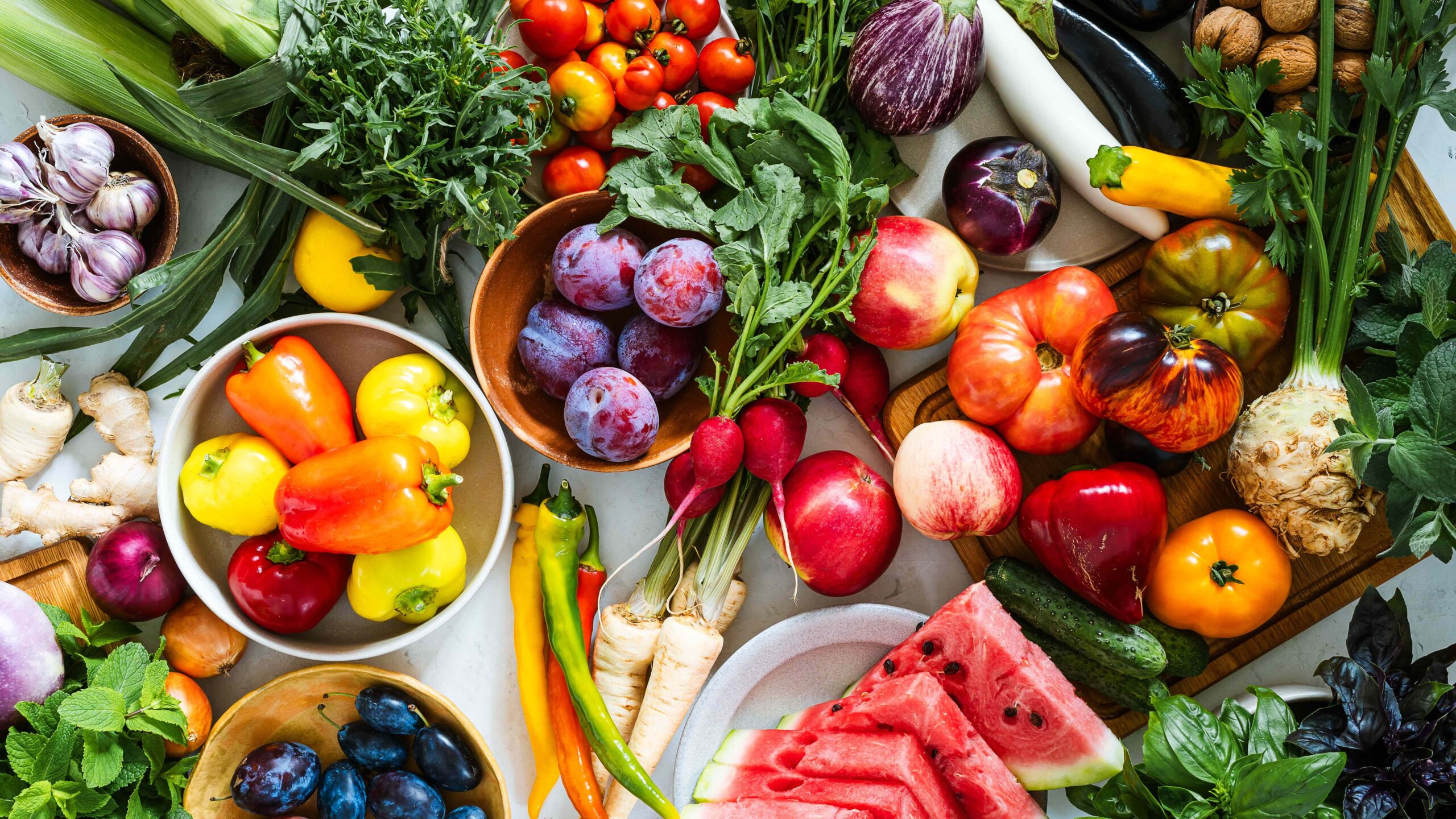
One of my favorite parts of summer is taking advantage of the abundance of fresh, local, seasonal produce that’s available—and Jordan Langhough, registered dietitian, certified personal trainer, and owner of Wildflower Fertility + Nutrition agrees! “Summer fruits and vegetables like watermelon, cucumber, berries, tomatoes, and zucchini are packed with water and nutrients, helping replace what you sweat out while keeping meals light in the heat. By eating seasonal produce, you’re consuming fruits and vegetables at their peak ripeness when they offer the most nutritional benefits. At home, swap one snack or side each day for whatever’s fresh at the farmers market or grocery produce aisle right now. Snack on sliced cucumbers or watermelon, grill chopped zucchini and summer squash, or make fresh fruit smoothies with mixed berries,” she explains.
Keep Meals Light
Building on the idea of lighter meals, Lavanya Kethamukkala, RDN, CLT, LDN, registered dietitian and founder or Nourishing Expert, encourages readers to keep their summer meals light—a welcome approach on sweltering days—while still prioritizing balance and nutrition. “Choose meals built around lean or plant-based proteins, whole grains, healthy fats, and plenty of vegetables to help you stay energized without feeling weighed down. Some easy ideas include a grain bowl with cooked quinoa, edamame, grilled vegetables, avocado, and a lemon-tahini dressing; or whole-grain toast topped with hummus, sliced tomatoes, and hemp seeds for a quick, satisfying meal,” she says.
Read the original article on Real Simple
