


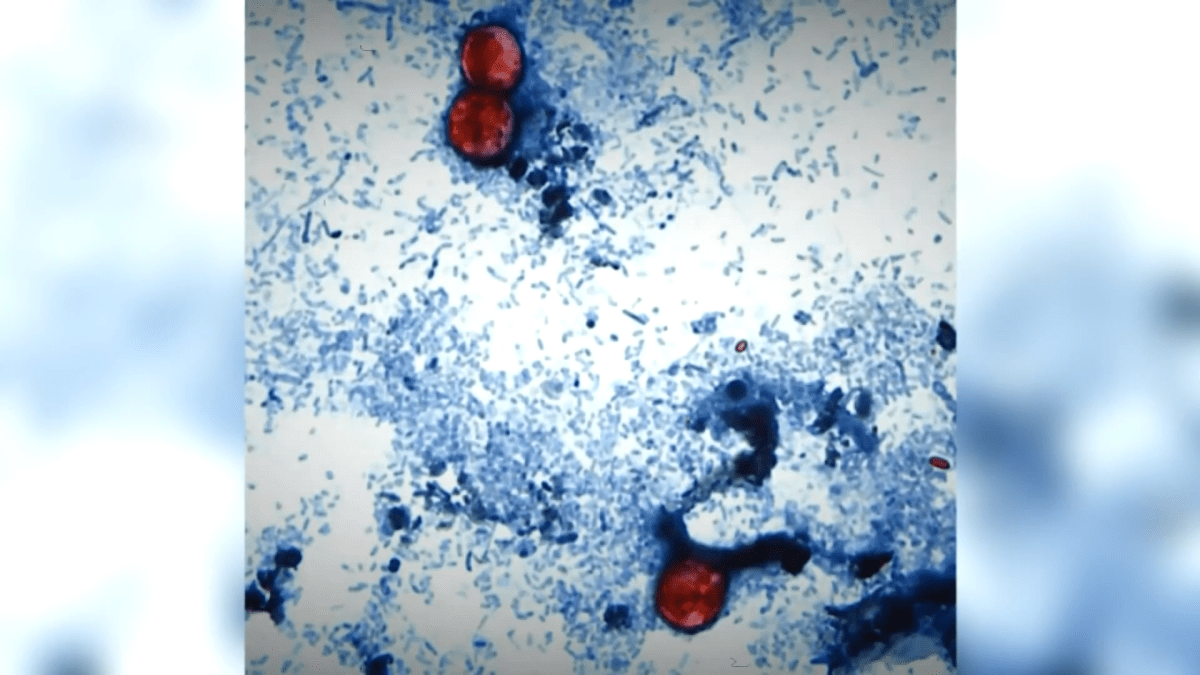

A San Diego infectious disease doctor says it’s probably best to stay away from fresh produce for the next week or so, even if you wash it due to a fecal parasite illness known as cyclosporiasis. NBC 7’s Shandel Menezes has the details.
As the Eastern and Midwestern parts of the U.S. are suffering from significant increases in cases of cyclosporiasis linked to an ongoing outbreak across several states, California is not one of the states currently experiencing an increase in cases, the California Department of Public Health said on Tuesday
Stream San Diego News for free, 24/7, wherever you are with NBC 7
WATCH HERE
Cyclospora is an intestinal illness caused by a microscopic parasite that is often linked to contaminated produce because of the large amount of water required for its growth. Doctors say contamination is what causes people to become sick
Although the CDC on Tuesday reported nearly 7,000 cases of cyclosporiasis in 34 states, including California, the CHPH clarified on Tuesday that there are no known local outbreaks in the state. While there are cases of cyclosporiasis in California, none are currently linked to outbreaks affecting other states as of Tuesday, the San Diego County Health and Human Services Agency clarified. More on the CDC’s Tuesday’s update here
In 2026 thus far, California is actually seeing fewer cases of cyclosporiasis than in 2025. From January to June 2026, California health officials have reported 41 provisional cases of cyclosporiasis. Compare that to the 80 cases counted during the same period in 2025, CDPH said
“It’s important to understand that California experiences cases of cyclosporiasis every year, with a majority of cases acquired internationally. Cases for 2026 are well within expected ranges for California, and we are not currently one of the states experiencing increased cases or an outbreak,” said Dr. Erica Pan, California Department of Public Health Director and State Public Health Officer. “We are aware of the outbreaks affecting other states, however, and are closely monitoring for any signs of local acquired infection. We encourage Californians to protect themselves and their families by practicing safe food handling and thoroughly washing produce.”
Due to significant case increases in certain Eastern and Midwestern states, the CDPH is closely monitoring California cases associated with travel to those affected areas and are looking for anything that may indicate an infection happening in California, health officials said. Most cases in California are related to recent international travel, the department said
Health officials warned that due to the size of the Midwest outbreak and summer travel, the state can expect cases to happen in Californians returning from those impacted areas
“In summertime, it tends to be a nice environment for the organism to flourish, particularly in watershed areas,” said infectious disease physician Dr. Richard Smith
In a new update Tuesday, the Michigan Department of Health and Human Services reported that while its investigation into the more than 2,600 cases identified so far continues, “current results point to lettuce or salad greens” as a potential source
The finding only applies to Michigan, and health officials noted that “other food items cannot be completely ruled out” and “no specific type of produce, grower or supplier has been identified as the
Health8 hours ago
Nearly 7,000 cases of cyclosporiasis confirmed or under investigation nationwide, CDC says
Health & WellnessJul 13
Michigan health officials reveal potential

Smith said the true number of infections is likely higher because many people recover without seeking medical treatment
“Patients report cramps, watery diarrhea. You can have nausea, vomiting. You can have fever. And then a profound dehydration ensues. Usually it ends with admission to local hospitals,” Smith said
Because produce can come from many places, Smith said consumers should not assume they are insulated from the outbreak
“Products can come from all over the world. And so I don’t think it’s a safe thing to assume that that’s not going to reach us,” Smith said
What should you do to avoid cyclosporiasis?
Many people may think thoroughly washing produce is enough to eliminate the parasite, but Smith said that may not be effective
“Boil it. If you boil it at a higher temperature for a while, you can be sure that the organism is not going to cause problems. Other than that, all bets are off. Even if you wash it with water and soap,” Smith said
Until investigators determine thesible
“If you’re somebody that seems to go into salad bars on a weekly basis, just give that a rest for a week or two while we figure out where this outbreak is coming from,” Smith said
Smith said people who become dehydrated quickly or who are immunocompromised should be especially cautious
The CDPH urges everyone follow these prevention tips:
- Wash hands with soap and water before and after handling or preparing raw fruits and vegetables.
- Wash all fruits and vegetables thoroughly under running water before eating, cutting, or cooking. Scrub firm produce (like melons and cucumbers) with a clean produce brush.
- Remove and discard outer leaves from lettuce and leafy greens.
- For vulnerable populations (older adults, young children, pregnant women, immunocompromised individuals), cook vegetables and herbs whenever practical.
- Prevent cross-contamination: Use clean cutting boards, utensils, and food-contact surfaces. Keep ready-to-eat foods separate from raw produce during preparation.
- Refrigerate cut, peeled, or cooked fruits and vegetables as soon as possible (within two hours).
- Avoid food or water that may be contaminated by human feces, especially when traveling to countries where tap water or food may be unsafe.
Most foodborne outbreaks in the U.S. have been linked to imported fresh produce, including raspberries, cilantro, basil, snow peas, and mixed salad. While washing produce is important, it may not completely remove Cyclospora, so cooking is recommended when possible
This story was originally reported for broadcast by NBC San Diego. AI tools helped convert the story to a digital article, and an NBC San Diego journalist edited the article for publication
