



Capitalization or caring? Surgeon unpacks kids’ skin care rise and how industry should respond
Key takeaways
- US facial plastic surgeon Dr. Masoud Saman warns the kids’ skin care boom is turning a basic health need into an “identity project.”
- He urges the industry to keep children’s products “protective, not corrective” and to drop anti-aging claims and influencer campaigns.
- Saman says brands, retailers, and platforms share responsibility, warning that psychological harm outlasts skin irritation.
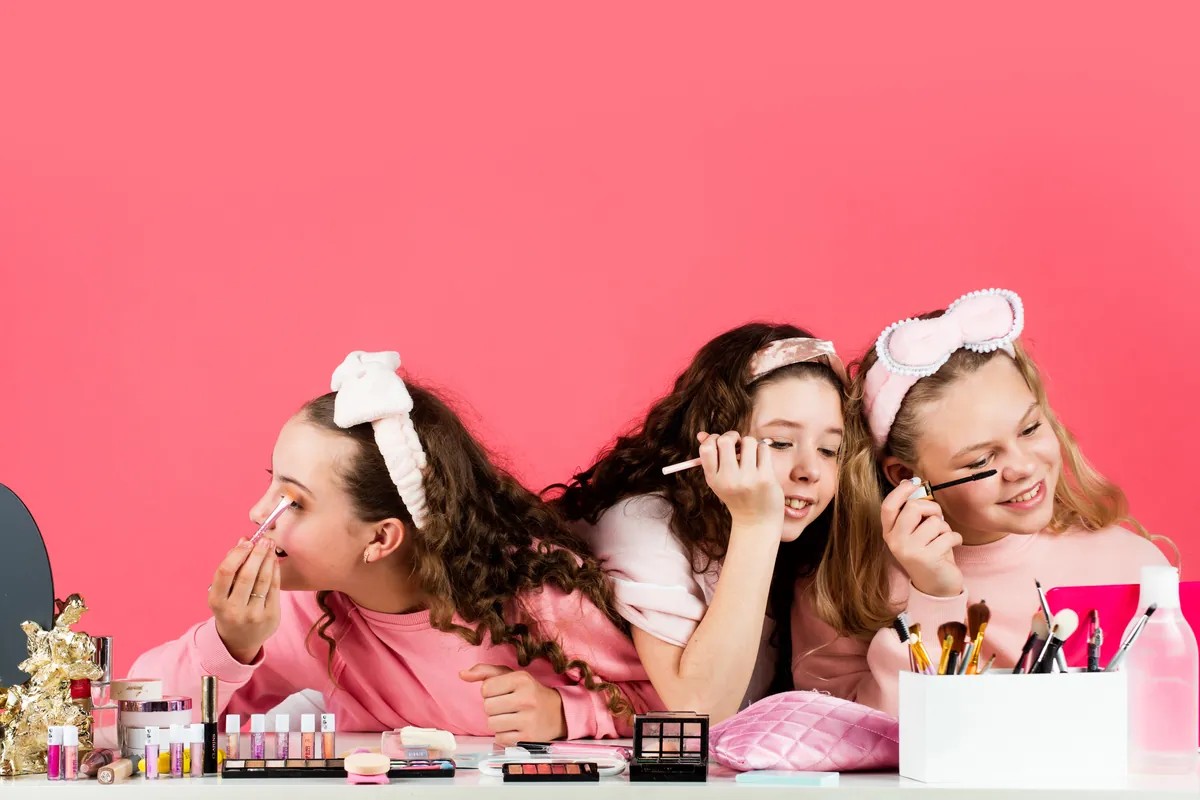
Kids are increasingly interested in skin care, and the beauty market is responding with a plethora of solutions. However, concerns proliferate from consumers, doctors, and dermatologists: Is this catering to a demanding audience or capitalizing on kids and creating insecurities?
Personal Care Insights speaks to Dr. Masoud Saman, a US-based, double board-certified facial plastic surgeon and head and neck surgeon, about the ethics of marketing skin care to children and where the sector should draw the line. He says his biggest concern with the rise of the market is that the industry is taking a basic health need and turning it into an identity project for children.
“The problem is not simply one bad ingredient. It is the message underneath the category: that a child should be studying her face, finding flaws, and buying products to fix them.”
Brands releasing personal care products for children argue they are responding to a clear desire. In the age of social media — and kids’ participation in it — shiny skin, perfect features, and Dorian Gray-esque youth are paraded across users’ feeds, driving cosmetic purchases in pursuit of said results. According to e-commerce accelerator Pattern, over 30,000 beauty brands are active on TikTok Shop, and the category is growing at 26%. That growth is outpacing almost every other consumer segment on the social media retail platform.
There has also been a stark rise in target beauty launches for the developing demographic. There are more brand debuts solely for kids, often marketed as made by caring mothers or even children themselves.
Saman says that a “kid-safe” line can be ethical if it is “boring, functional, and medically grounded… But when the packaging, influencer strategy, and messaging mimic adult beauty culture, it stops being healthy and becomes grooming children into consumers.”
Marketplace of insecurities
Children do need sunscreen, a gentle cleanser when appropriate, moisturizer for dryness or eczema-prone skin, and treatment for specific medical conditions.
“Sometimes there is a genuine need. Children with eczema, dry skin, acne, sun exposure, or sensitive skin deserve safe products. But that is different from telling every child she needs a ‘routine,’” explains Saman
What he says they do not need are multi-step “‘anti-aging,’ ‘glow,’ ‘pore,’ ‘brightening,’ or ‘corrective’ routines.”Saman says kids’ skin care should treat real needs, not invented insecurities.
A defense for the children’s skin care market is that kids are already interested in and buying skin care, therefore it is better to give them age-appropriate formulas, rather than have them use adult products with harmful actives.
While Saman understands this argument, he calls it “incomplete.” He urges the personal care industry not to “turn children’s faces into a marketplace of insecurities.”
“Yes, if children are using retinoids, acids, or harsh adult products, safer alternatives are better. But creating children’s lines can also normalize and expand the behavior.”
Saman says that the ethical answer is not “make a kid version.” Instead, the industry should narrow the category. “Remove beauty promises, avoid influencer-driven aspiration, and educate parents and children that most kids do not need a skin care routine beyond sunscreen and basic hygiene.”
He suggests that, just as kids should not be using adult cosmetics, they should not be inheriting adult messaging and insecurities. “There is a responsible way to care for children’s skin, but it has to be health-first, parent-facing, and free of adult beauty anxieties.”
Protective, not corrective
Saman outlines that there is a good version of kids’ skin care — but that it is much narrower than the current marketplace. “Kids’ skin care done right is protective, not corrective. It treats a real need, not an invented insecurity.”
“If the product protects health or treats a real condition, it can be appropriate. If it teaches a child to inspect normal features as flaws, chase beauty trends, or build a daily identity around appearance correction, it has crossed into exploitation.”
He calls on the beauty industry to stop using anti-aging language, pore-shrinking claims, “glass skin” messaging, before-and-after flaw correction, and influencer campaigns aimed at minors
Saman especially points to TikTok as a culprit for putting grown-up expectations on minors. He says the social media platform has compressed adult beauty culture into short, addictive, aspirational videos. Thus, when children are exposed to this content, they participate as a means of belonging, being part of a broader in-group.
“Children see routines, hauls, ‘get ready with me’ content, and influencers presenting skin care as status, self-care, and identity. The child is not just buying a moisturizer. She is buying participation in a social world,” he explains.
Saman calls out platforms, brands, and retailers for all having a responsibility in the kids’ skin care surge. Brands, retailers, and online platforms face scrutiny over marketing beauty to minors.
“Brands should not seed products to child influencers or design campaigns that clearly appeal to minors. Retailers should create clearer age guidance and avoid positioning active ingredients as toys or collectibles. Platforms should restrict paid beauty content targeted to children and make sponsorships more transparent.”
The plastic surgeon’s perspective is reflective of broader industry and regulatory criticism. Earlier this year, Italian authorities launched an investigation into Sephora and Benefit Cosmetics over a claimed use of “covert marketing strategies” to sell adult cosmetics to children
Saman suggests that products for kids should be simple, fragrance-minimized, dermatologist-informed, and focused on real needs: sun protection, dryness, eczema-prone skin, chapped lips, and basic cleansing.
He adds that the industry should also support age-gating, parent-facing education, clearer ingredient warnings, and responsible retail placement. Saman warns of public discourse turning on parents and their children as the ones to blame.
“We should be careful not to shame children or parents. Kids are responding to a culture that adults built. Parents are often trying to protect their children from worse products.”
Saman claims the responsibility for adjusting the kids’ skin care landscape lies with brands, retailers, platforms, and professionals to draw clearer boundaries
“The goal is not to ban sunscreen or moisturizer. The goal is to stop telling children that their normal, healthy faces need correction.”
Skin Deep and deeper
Kids using skin care arguably entered the beauty industry discourse with “Sephora kids.” At the time, social media exploded with complaints and concerns about children delving into expensive adult skin care and becoming enamored with anti-aging products.
Dermatologists have expressed worries over skin care use by children, as it could provoke allergies or eczema. The British Association of Dermatologists has warned that kids using skin products with anti-aging ingredients or other potent actives can leave them with irreversible skin problems.
Saman says that the physical and psychological impacts on children and their relationship to the beauty industry go hand-in-hand, describing them as “feeding on each other.” Social media trends are driving children toward adult beauty products.
“A child uses an active product, develops irritation, then becomes more focused on redness, texture, or ‘imperfections.’ The product creates the problem, then the market sells the solution,” he depicts.
However, Saman says the psychological effect worries him more, emphasizing that the emotional harm may be deeper than the skin sensitivities. “We are teaching children, especially girls, that their natural face is a project of correction. That can create anxiety, body dissatisfaction, compulsive mirror-checking, and a premature relationship with beauty culture.”
“Skin irritation can usually be treated. A child learning that her normal face is defective can shape self-image for years.”
All content and features on this website are copyrighted with all rights reserved. The full details can be found in our privacy statement

Save in your AIChatGPTGoogle AIClaudePerplexityGrok



25
2026
CPHI Korea 2026
COEX, Seoul, Korea
SEP
28
2026
IFSCC
Perth Convention and Exhibition
OCT
6
2026
Beautyworld Middle East
Dubai World Trade Centre
By continuing to browse our site you agree to ourPrivacy Statement

