



Celebrity chefs Jamie Oliver, Hugh Fearnley‑Whittingstall and Tom Kerridge have backed a new campaign that is putting the spotlight on beans
The Bang In Some Beans campaign is a bid to double the UK’s intake of beans, legumes and pulses by 2028
Such a campaign is long overdue. Despite beans on toast being a British favourite, beans, pulses and legumes remain under-consumed in the UK. According to data from the Food Foundation, two-thirds of the UK population eat less than one portion of beans a week
Beans are one of the most affordable and nutritious foods out there. With food costs continuing to rise and poor nutrition contributing to a growing number of diseases, beans may offer a solution to both problems
Encouraging greater bean consumption could also help close the UK’s fibre gap, as most of the UK population do not meet the recommended 30g of fibre per day. Beans are one of the simplest, most achievable ways to bridge that gap
If you still aren’t convinced, here are just a few of the health benefits beans can provide
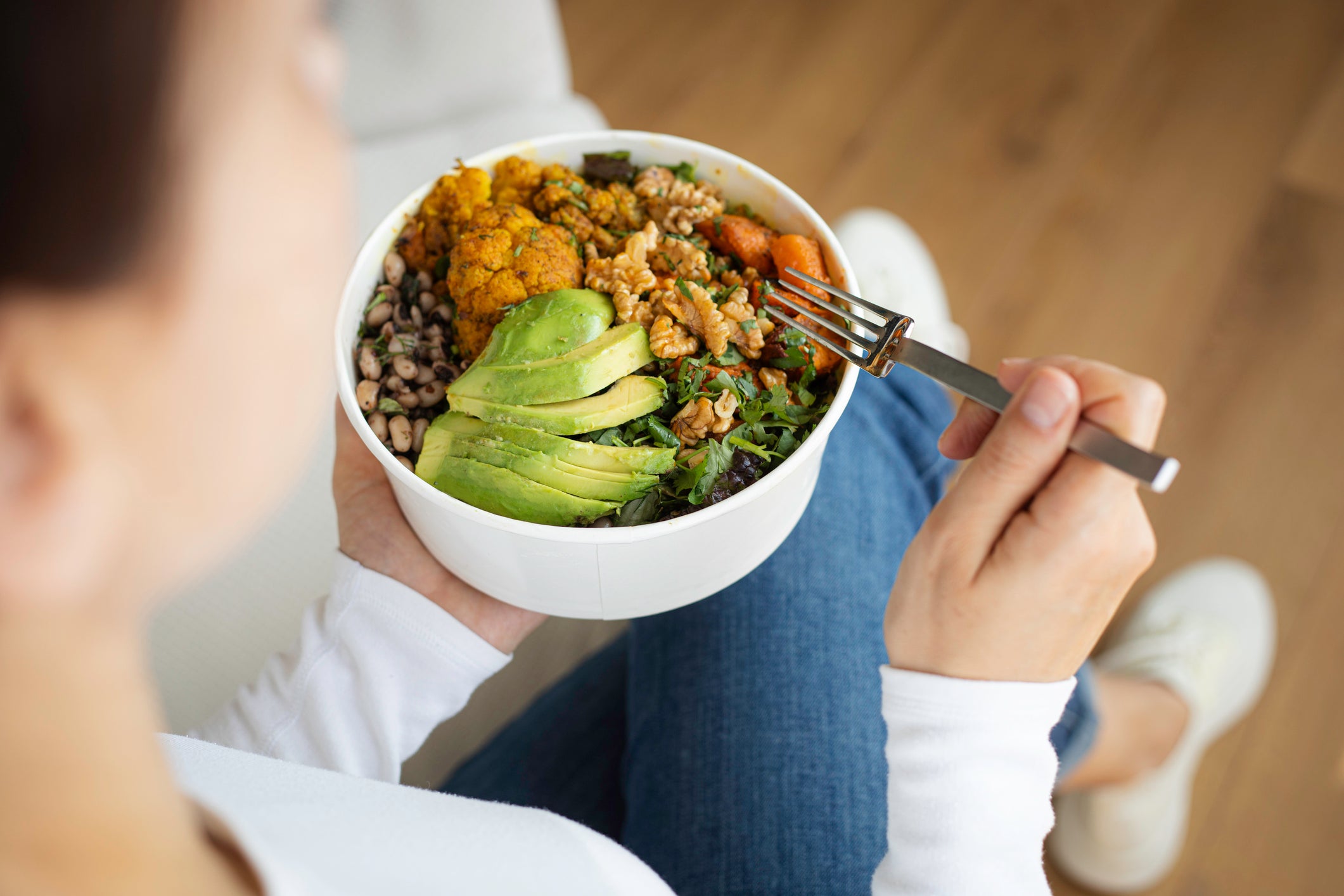
1. They can help you manage your weight
Beans are a great and potassium. Increasing bean intake could improve your health and reduce chronic disease risk
Research also shows that people who consume higher amounts of beans have lower body weight, smaller waist circumference and lower blood pressure. These are all associated with reduced risk of multiple chronic diseases including obesity, diabetes and heart disease
Not only are beans low in calories, their high fibre and protein content can help increase satiety (the feeling of fullness), which is a key factor in appetite regulation and long-term weight management
2. They’re good for your heart
An abundance of research links eating beans to a healthy heart. Diets rich in beans can significantly lower LDL (“bad”) cholesterol, improve blood pressure and reduce inflammation
The fibre in beans binds cholesterol in the gut so it can be excreted from the body. Their potassium and magnesium content supports vascular function, which is essential for a healthy heart. This is why, for those managing cardiovascular diseases or hyperlipidaemia, beans should be a cornerstone of a heart healthy diet
3. They’re good for blood sugar levels
Beans have a low glycaemic index. This means they release energy slowly, which reduces blood sugar spikes. Their fibre and protein content also helps slow carbohydrate absorption, which promotes better blood sugar control. Both factors are important for preventing or managing type 2 diabetes
Evidence from clinical trials shows incorporating beans into meals also benefits other aspects of blood sugar in people with, or at risk of, type 2 diabetes – such as improving fasting blood sugar and insulin levels
A randomised controlled trial of over 100 people with type 2 diabetes found that those who consumed at least one cup of legumes daily for three months not only had better blood sugar control, they also had a significant decrease in body weight, waist circumference, cholesterol levels and blood pressure
4. They can benefit gut health
Beans support gut health by providing both soluble and insoluble fibre. These act as prebiotics, feeding beneficial gut bacteria
About the author
Raysa El Zein is a Lecturer in Life Sciences at the University of Westminster
This article was first published by The Conversation and is republished under a Creative Commons licence. Read the original article
The fermentation of these fibres in the gut also produces short-chain fatty acids, prebiotics which have anti-inflammatory effects and support the colon. Regular consumption contributes to improved digestion and bowel regularity
Boosting your bean consumption
You don’t need to make any sorts of dramatic dietary changes in order to incorporate more beans in your diet. Here are a few simple ways to eat more beans
1. Start gradually
Begin with small portions (about half a cup of cooked beans) a few times a week, increasing this as your digestive system adjusts and to avoid flatulance and bloating
2. Mix up varieties
Rotate between beans such as chickpeas, kidney beans, lentils, black beans and cannellini beans. Diversity boosts nutrient variety and keeps meals interesting
3. Add beans to familiar dishes
Stir beans or other legumes into soups, stews, curries, salads or pasta sauces. Even a handful can make a meaningful difference
4. Choose canned beans
These are just as nutritious as dried or fresh beans – just ensure you rinse them well to reduce the sodium content. If you do use dried beans, ensure you soak them overnight and cook them thoroughly to neutralise anti-nutrients such as phytates (which can reduce absorption of other nutrients) and improve their digestibility
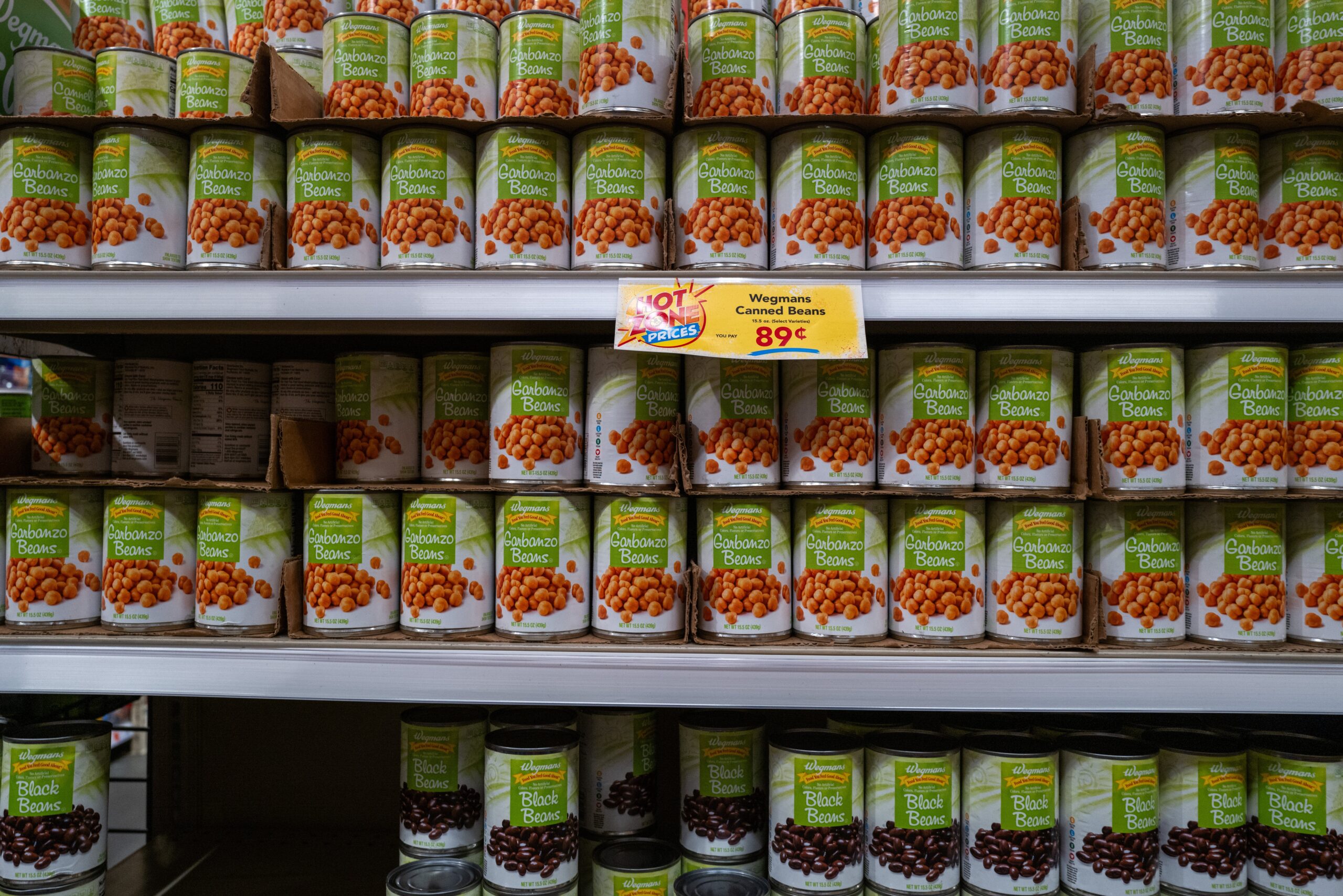
Nutritionally speaking, chickpeas and lentils are good choices, as they’re high in fibre and protein. Black beans contain antioxidants – compounds which have been linked to lower risk of diseases such as cancer, diabetes and Alzheimer’s disease
Ultimately, the best beans are the ones you can integrate into your diet and will eat regularly
However, there are some groups of people who should be mindful when increasing their bean intake, as some of the compounds they contain can have a negative impact on health
People with IBS, IBD or digestive sensitivities may struggle with bloating or gastric discomfort if they consume large amounts of beans. Beans should be introduced into the diet gradually based on how well your body tolerates them
People with kidney disease may want to be careful due to the high potassium content in beans. In this case, it’s important to consult with a doctor before consuming diets rich in beans
Those who suffer from low iron or zinc levels may also want to be careful with how they prepare beans. The anti-nutrient compounds in beans can disrupt the absorption of minerals, which is why it’s so important to soak beans and cook them well
Beans are a nutritional powerhouse. High in fibre, protein and key micronutrients, they support heart, metabolic and gut health while being both affordable and environmentally friendly
