


From TV to TikTok trends, celebrity speculation to friends and family at home, chatter about weight loss medications is everywhere. Despite the buzz, it can still be a challenge for those struggling with obesity to find the support and treatment that’s best for them
One doctor and leader of the largest team of bariatric surgeons in the state is weighing in
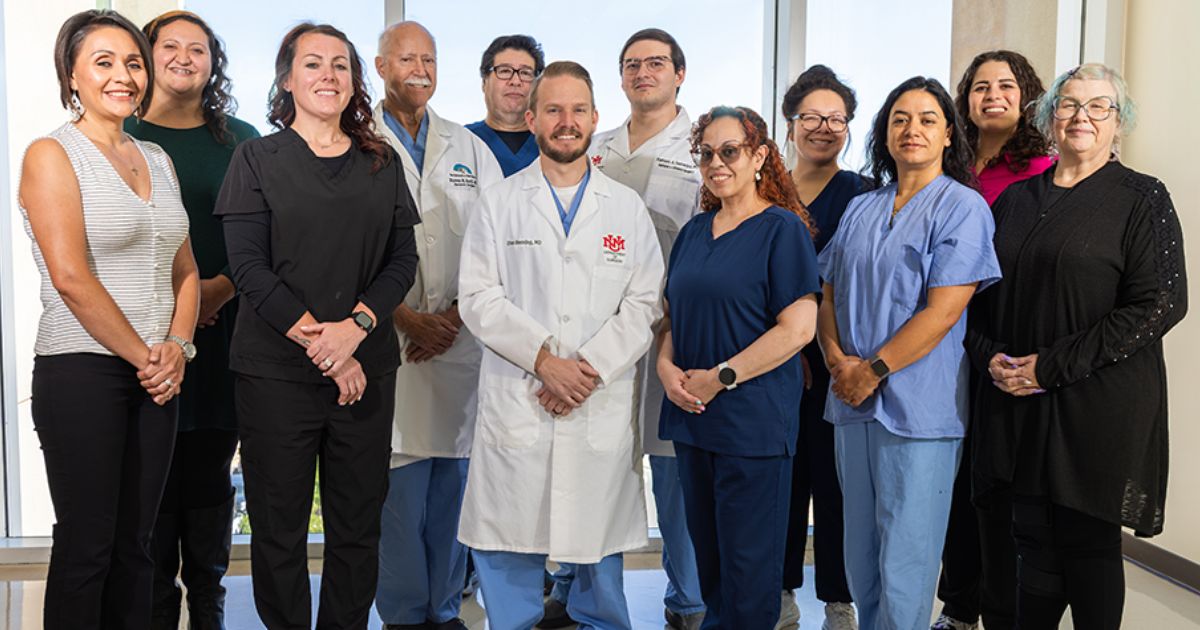
Ethan Benning, MD, is program director of the bariatric program at The University of New Mexico Sandoval Regional Medical Center—A Campus of UNM Hospital (SRMC)
“Bariatric surgery is the most <a href="https://healthylife7.com/the-glp-1-effect-smaller-portions-bigger-expectations/” title=”The GLP-1 Effect: Smaller Portions, Bigger Expectations”>effective and long-lasting way to treat obesity,” he said
Benning is one of three expert bariatric surgeons at SRMC. The comprehensive program includes three expert bariatric surgeons and an entire team dedicated to changing the lives of patients with obesity in New Mexico
“We have a well-rounded program here at SRMC,” Benning said. “We have a full-time dietician; we also have a psychologist that works with our patients, too. We try to offer as much support as we can to help patients through the process.”
The program has once again been recommended for reaccreditation under the Metabolic and Bariatric Surgery Accreditation and Quality Improvement Program for meeting national safety standards for bariatric facilities. That includes having things like appropriate chairs, exam tables and equipment to make the environment both safe and comfortable for patients struggling with obesity
We have a well-rounded program here at SRMC…We try to offer as much support as we can to help patients through the process
– Ethan Benning, MD,Bariatric Surgeon & Director, Bariatric Program, UNM SRMC
GLP-1 vs. Bariatric Surgery
One of the less invasive weight loss support options is medication, including glucagon-like peptide-1 (GLP-1), which has recently exploded on the market and for good reason, Benning said
“These medications are amazing. They’ve changed the treatment of obesity,” he said. “But there are some differences between the medications and surgery that patients need to consider.”
GLP-1 is a natural hormone that is produced in the gut that regulates blood sugar and appetite. The prescription medications are used to treat obesity, Type 2 diabetes and other weight-related health issues
“Obviously it’s not surgery, and you do get phenomenal results,” Benning said. “But some of the downsides are that they are lifelong medications. Meaning, if for whatever reason, you get off the medications, most patients do tend to regain a lot of the weight.”
While some patients may be OK with taking GLP-1 drugs their entire life, it’s not always guaranteed that they can
“Some patients develop different tolerances,” he said. “Some patients’ insurance may change and no longer cover the medication. So, some patients might unexpectedly be unable to get their medications anymore, and that can be very frustrating.”
Benning said bariatric surgery is a more durable and lifelong solution to treating obesity
What is Bariatric Surgery?
SRMC’s bariatric program offers two types of laparoscopic surgeries: the sleeve gastrectomy, which involves removing part of the stomach, and the gastric bypass surgery, which reroutes the intestines
“One of the most noticeable changes we see with both our surgeries is the amount you’re able to eat goes down pretty significantly,” he said. “We also see a really big hormonal response for about at least a year after surgery. So, that combination of eating less and a higher metabolism helps our patients lose weight.”
Another distinction between bariatric surgery versus weight loss medication Benning said, is bariatric surgery involves significant lifestyle changes; changes patients start incorporating even before surgery
“One of the first visits for our patients is with our dietitian or psychologists, and one of our three surgeons. We go from the very basics of, ‘What’s a carb? What’s a protein? What’s a fat?’ all the way up to some healthy meal plans, and planning out the first couple of weeks after surgery.”
Upon starting the program, it typically takes patients four months to be ready for surgery. But Benning said that timeframe can be shorter or longer depending on the patient. Patients will follow-up with SRMC’s bariatric team several times during the first year after surgery, and at least once a year for five years after that
Misconceptions About Bariatric Surgery and Bariatric Patients
When it comes to obesity, Benning said there are a lot of misconceptions about his patients and bariatric surgery
“Obesity is not just a weight issue,” he said. “It’s actually a medical condition that comes with a lot of medical problems such as high blood pressure, cholesterol, sleep apnea. We help manage all of those conditions through our surgeries.”
For people struggling with obesity, Benning said it’s not simply a matter of finding the willpower to lose weight
“Once our weight goes over a certain point, our metabolism completely changes, and it makes it almost impossible to lose weight on our own,” he said
Before the GLP-1 medications, Benning said the chance of losing a meaningful amount of weight with diet and exercise alone was only about 3%
He added that bariatric surgery itself has a stigma with some people thinking it’s, “taking the easy way out.” But Benning said his patients’ commitment, dedication and hard work is anything but easy
“It’s a huge decision. That decision empowers all of our patients to move forward with the life changes needed,” he said. “We have very dedicated patients who embrace the whole process and do very well because they’ve made that really big commitment.”
To find out more about bariatric surgery and SRMC’s bariatric program,click here
Categories:Patient Care,
UNM Hospital,
News You Can Use,
UNM SRMC,
Sandoval Regional Medical Center
