


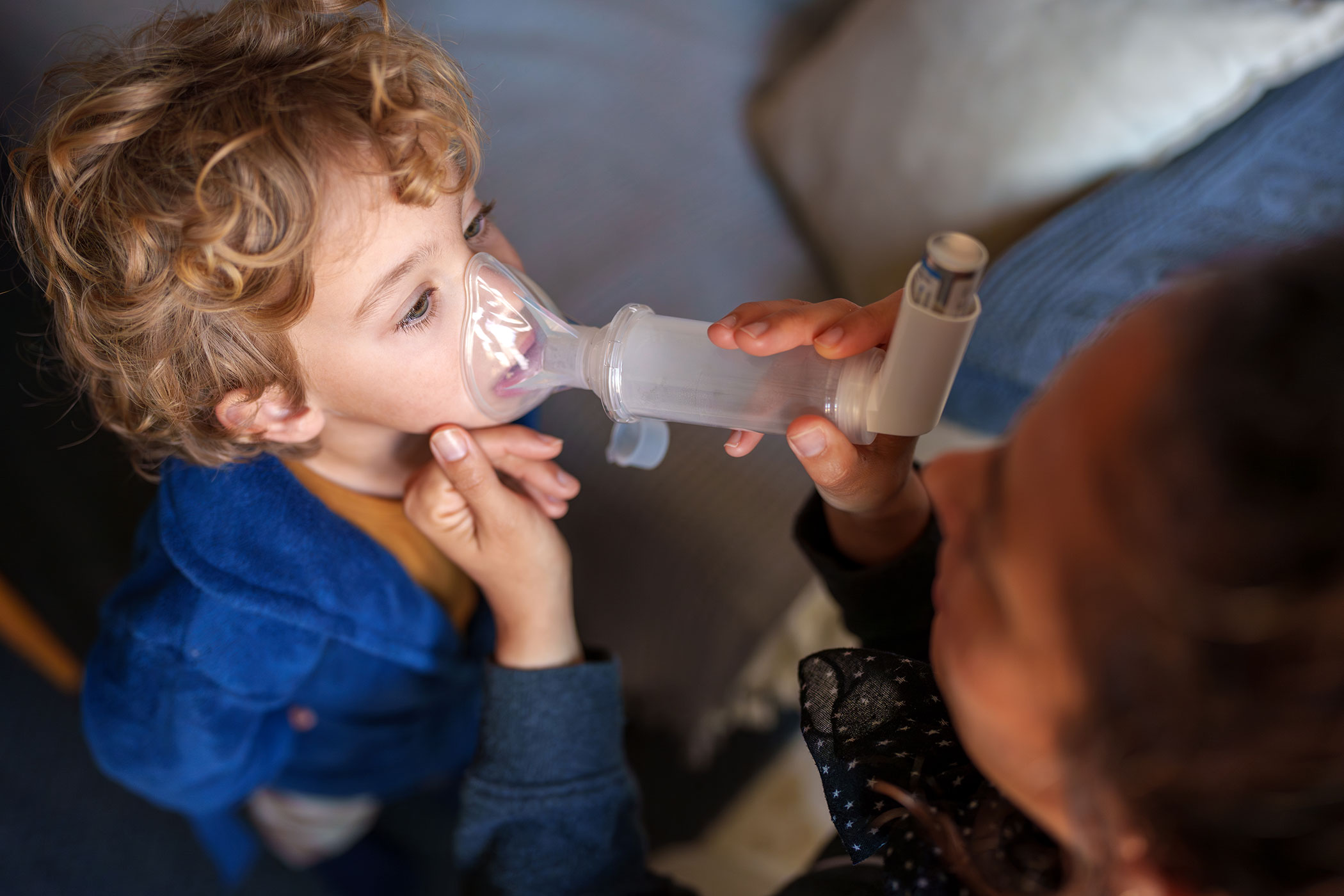
One in every 12 children has asthma, making it the most common chronic condition in children. But many teachers lack the training needed to support those students, according to a new study from the University of Georgia
The researchers began studying asthma in schools in 2001, when only a handful of states had laws that let students keep their rescue inhalers with them at school. As more students faced medical emergencies because they didn’t have access to their inhalers, more states passed self-carry laws
The present study drew from survey data from more than 500 teachers. Even though self-carry laws now exist in all 50 states, over half of teachers surveyed were not sure if their state had one
“In general, the field prepares teachers to address children’s special educational needs, such as learning disabilities or speech and language challenges,” said Stacey Neuharth-Pritchett, corresponding author of the study and a professor in UGA’s Mary Frances Early College of Education. “We don’t spend as much time as we need to help teachers understand the array of chronic medical conditions that youth bring with them to classrooms.”
Many teachers unaware of student support plans
Not only can asthma cause severe breathing difficulties, but it can also bring a higher risk of anxiety and depression. Missing school due to illness can hurt their academic performance and leave youth isolated from their classmates
As such, there are multiple individual support plans for helping students with asthma. Asthma action plans include details on a student’s medications, potential triggers and how to seek emergency care. A Section 504 plan helps students receive accommodations in class, while individualized education programs allow students to receive specialized instruction
But between 30% and 46% of teachers didn’t know which support plan their students had. This makes implementing the plan more difficult and makes it harder for teachers to help their students manage the condition
“The key to helping students is for teachers and student services personnel to know more about the policies that guide the monitoring of chronic health conditions in schools,” Neuharth-Pritchett said. “The more teachers and school personnel are informed, the better they feel about helping the child control their condition.”
More training, collaboration is key to helping teachers help students
Providing training about chronic conditions, such as workshops covering symptoms and treatments, could help teachers assist their students, the researchers said
Neuharth-Pritchett also stressed the importance of increasing communication between school nurses, school psychologists and the student’s doctors and family. This collaboration keeps everyone on the same page and allows them to tailor plans to the student
“We ask teachers to do many things in schools. Monitoring someone’s medical condition is another component of those tasks,” Neuharth-Pritchett said. “I’m not asking for teachers to be health experts, but there are school psychologists, school counselors or school nurses who can be a support to help teachers understand what their role is in medical management of chronic health conditions
“We want health for the child and for them to be in spaces where they can maximize their opportunities for learning and be connected to their peers. Coordinating support for medical conditions is one way to increase such access in schools.”
This study was published in the Journal of Applied School Psychology and co-authored by Sofia Davie, Ethan Schilling and Yvette Getch
