


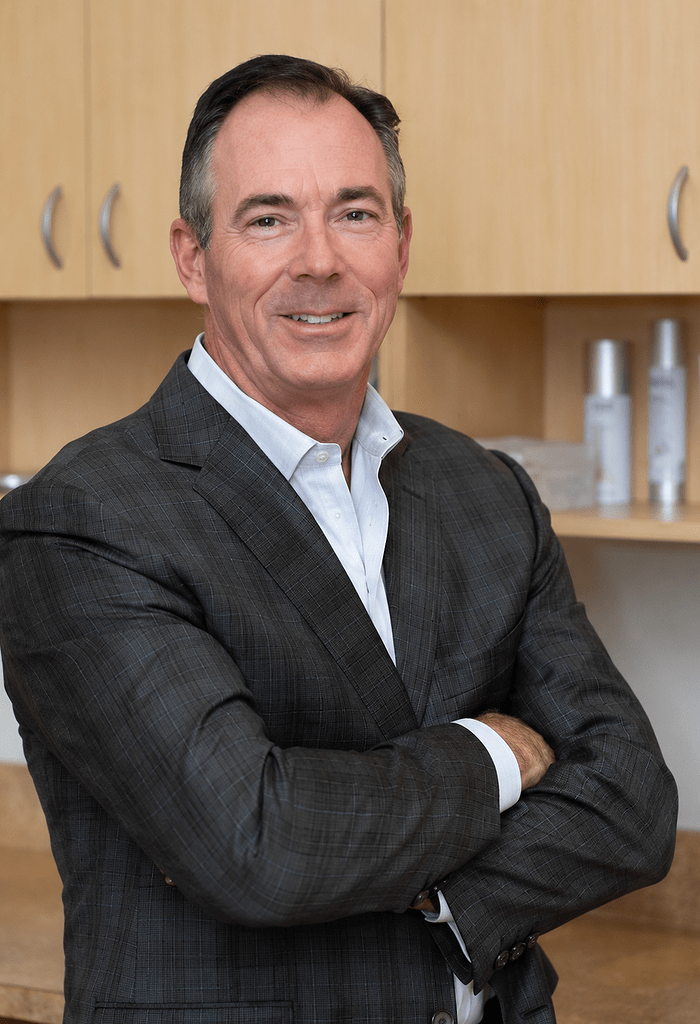
Aesthetic medicine has long been framed through the language of beauty, yet many of the conversations happening inside facial plastic surgery consultations are rooted in something far more personal. According toDr. Stephen Prendiville, patients are often responding to a growing disconnect between how they feel internally and how they perceive themselves externally
He notes that in many cases, the emotional impact develops gradually through aging, stress, burnout, illness, or major life transitions that alter a person’s sense of self-recognition over time
“The aging process affects people emotionally in ways they do not always anticipate,” Dr. Prendiville says. “People carry a mental image of themselves throughout life, and when that suddenly changes, it can create anxiety and a loss of confidence.”
That emotional response is becoming increasingly relevant within modern aesthetics. A 2024 survey from the International Society of Aesthetic Plastic Surgery (ISAPS) reportednearly 38 million aesthetic procedures globally, highlighting the continued growth in both surgical and non-surgical treatments. The same report found that eyelid surgery became the most commonly performed surgical aesthetic procedure globally, increasing by 13.4 percent year over year.
For Dr. Prendiville, those numbers do not simply reflect a growing interest in cosmetic enhancement. He believes many patients are searching for a sense of alignment between their appearance and their internal identity. “Some explain avoiding photographs or feeling unsettled by reflections that no longer feel familiar,” he says. “Others speak about emotional fatigue tied to long-standing insecurities that quietly shaped social confidence for years.”
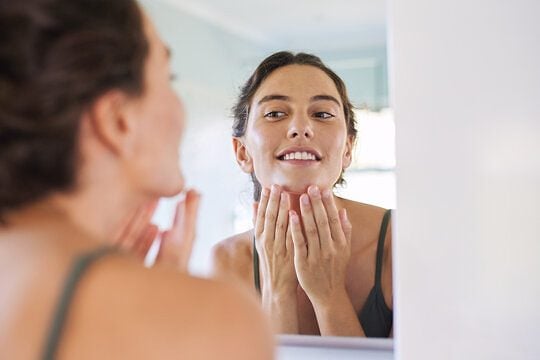
According to him, those experiences are often misunderstood as vanity when they are actually connected to self-perception and emotional comfort. Younger patients, he notes, may seek treatment after years of teasing related to facial features that caused persistent self-consciousness during formative years. Older patients frequently describe feeling emotionally disconnected from the version of themselves they still recognize internally
At the same time, Dr. Prendiville draws a clear distinction between emotional support and emotional dependency. He believes aesthetic medicine should never be positioned as a solution for broader psychological distress. Instead, he views facial aesthetic care as most appropriate when patients approach it with emotional stability and realistic expectations
That evaluation has become increasingly important as surgeons navigate rising exposure to trend-driven procedures and unrealistic beauty standards online. Research shows theprevalence of body dysmorphic disorderamong plastic surgery patients at 18.6%, reinforcing the importance of emotional screening and ethical decision-making within aesthetic medicine

Dr. Prendiville explains that part of his responsibility involves recognizing when surgery may not serve a patient’s long-term well-being. “If somebody comes in with unrealistic expectations or expectations that surgery cannot achieve, honesty becomes extremely important,” he says. In some cases, patients are encouraged to postpone treatment altogether, particularly when motivations appear externally pressured or emotionally unhealthy
He also believes the broader aesthetic industry is evolving away from dramatic reinvention and toward subtle refinement. According to Dr. Prendiville, many patients increasingly value authenticity and emotional confidence over exaggerated transformation. He attributes part of that shift to a wider cultural movement centered on wellness, particularly among younger generations prioritizing long-term well-being
Facial surgery, he notes, carries a uniquely personal responsibility because the face remains deeply tied to identity and self-perception. Patients encounter their reflection constantly through daily social interactions, making even subtle changes emotionally significant. For that reason, technical skill alone is not enough. Trust and ethical judgment remain equally essential parts of the surgeon’s role
“The most meaningful outcomes are not dramatic transformations,”Dr. Prendivillesays. “They are the moments when someone feels comfortable in themselves again, more socially confident and more connected to who they are.”
- ISAPShttps://www.isaps.org/discover/about-isaps/global-statistics/global-survey-2024-full-report-and-press-releases/
- PMChttps://pmc.ncbi.nlm.nih.gov/articles/PMC11241264/
This article is for informational purposes only and does not substitute for professional medical advice. If you are seeking medical advice, diagnosis or treatment, please consult a medical professional or healthcare provider
