


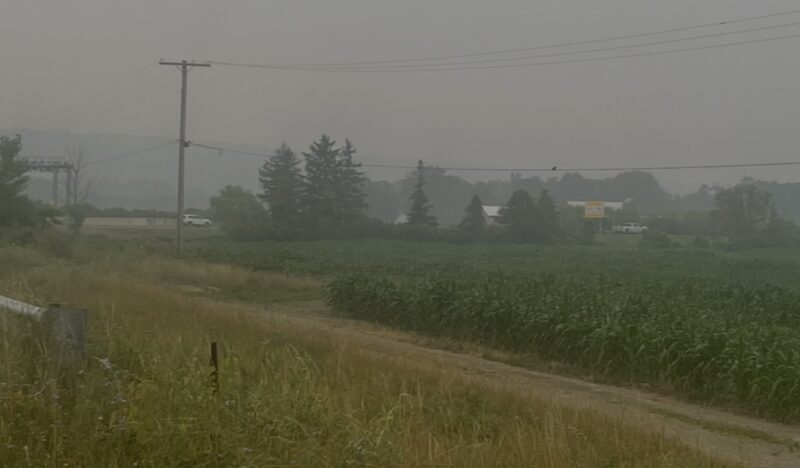
Region, state under Air Quality Health Advisory
Smoke from Canadian wildfires and high temperatures creating unhealthy air for New Yorkers
Poor air quality is affecting residents across the northeast and much of New York state caused by smoke from Canadian wildfires and high temperatures creating unhealthy air for New Yorkers. An Air Quality Health Advisory for particulate matter is in effect statewide for today. Air quality is forecast to reach ‘Unhealthy’ in the following regions: Long Island, New York City Metro, Lower Hudson Valley, Central New York, Eastern Lake Ontario and Western New York. Air quality is forecast to reach ‘Unhealthy for Sensitive Groups’ in the Upper Hudson Valley and Adirondack regions. Temporary spikes could cause air quality to worsen and reach ‘Very Unhealthy’ levels.
“With smoke from Canadian wildfires again impacting air quality throughout our state, we’re urging New Yorkers to be air quality aware to stay safe this week,” Gov. Kathy Hochul said. “We continue to coordinate with local counties to monitor conditions and distribute masks to help protect vulnerable populations. I encourage all New Yorkers to stay informed about the latest updates and take the necessary precautions to protect yourselves, your neighbors, and your loved ones.”
Sensitive groups should take particular caution. Where the air is considered unhealthy for sensitive groups, New Yorkers with underlying health conditions should make outdoor activities shorter and less intense, and take breaks to reduce the risk of health symptoms
In areas where the air is considered unhealthy, people who are especially sensitive to the effects of elevated levels of pollutants should make outdoor activities shorter and less intense, and take breaks to reduce the risk of health symptoms. Avoid spending time outdoors, if possible. People more sensitive to smoke-related pollution include those with heart or breathing problems, older adults, children and teens, pregnant people, and those who exercise or work outdoors
If you must go outside when air quality levels are considered unhealthy, do not overexert yourself, and find a well-fitting mask to wear
Remember to take steps to cool off in air conditioning for at least a few hours because it’s also hot outside and indoor and outdoor temperatures can climb quickly
Staying indoors in a smoke-free environment can lower your exposure
Those who experience symptoms or have symptoms that worsen should consider consulting their medical provider
DEC and State Parks are encouraging hikers and others recreating outdoors to postpone strenuous activities due to limited visibility and the potential for respiratory concerns from the smoke
The Office of Employee Relations provided guidance to state agency human rencies to be mindful of the conditions and to take necessary steps to mitigate potential issues to help ensure the well-being and safety of employees
Exposure to current air quality conditions can pose negative health impacts, including irritation to eyes, nose or throat, coughing, sneezing, runny nose and shortness of breath. These conditions are especially dangerous for vulnerable New Yorkers with medical conditions such as asthma and/or heart disease
