


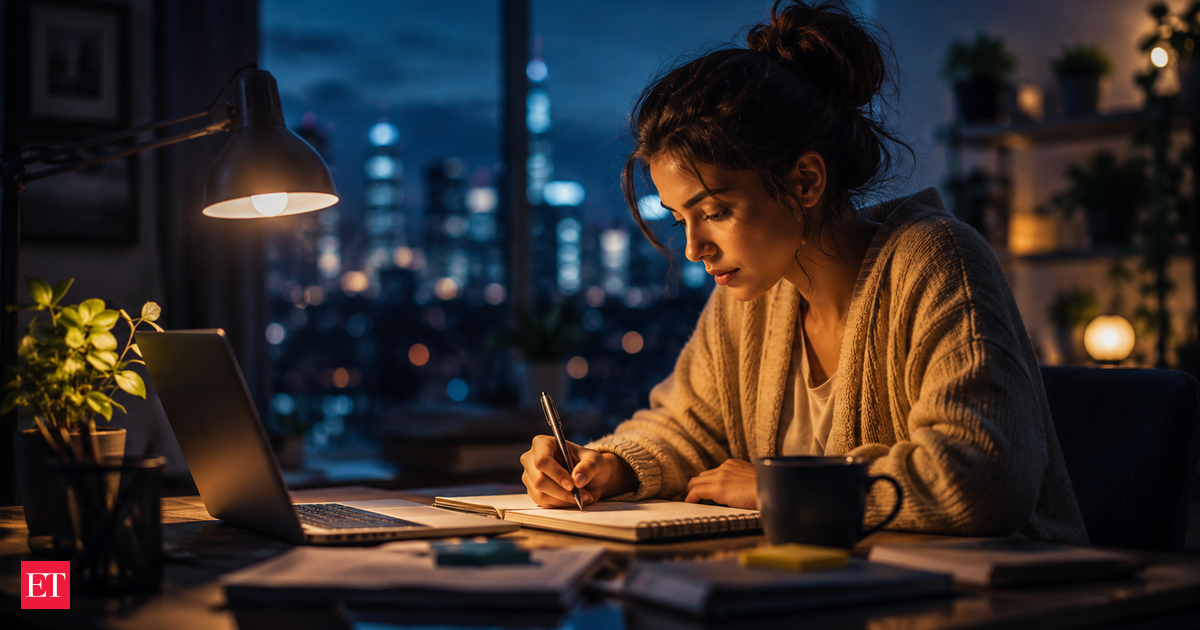
While some people are asleep by 10 p.m., others don’t seem to come alive until midnight. They feel more productive, creative, or simply more relaxed after the rest of the world has gone quiet. Psychology says that preferring late nights doesn’t automatically mean someone is lazy or undisciplined. In many cases, staying awake late is shaped by a person’s chronotype, emotional needs, work schedule, and learned habits. Researchers have found that both biology and psychology influence when people naturally feel alert.
Your internal body clock may naturally run later
One of the strongest explanations comes from Chronotype Theory, which is based on the body’s circadian rhythm. Our circadian rhythm is an internal biological clock that regulates sleep, alertness, and hormone release over a 24-hour cycle.Some people are naturally morning types (“larks”), while others are evening types (“night owls”). For example, a night owl may struggle to feel fully alert at 7 a.m. but perform exceptionally well during the evening.Research suggests that chronotype is influenced by both genetics and age, meaning many late-night preferences are partly biological rather than simply a matter of choice.
Late nights may provide uninterrupted focus
Psychologists have found that people often seek environments with fewer distractions when they need to concentrate.You Might Also Like:

Psychology says people who drink too much coffee every day may be seeking more than just caffeine
Late at night, there are typically:
- Fewer phone calls
- Less traffic noise
- Fewer emails
- Fewer interruptions from family or coworkers
For instance, a writer may discover that their best ideas come after midnight because the quiet environment allows deeper concentration. Sometimes the attraction is not the nighttime itself, but the peace it offers.
Some people seek “me time” after busy days
A concept known as Revenge Bedtime Procrastination has gained attention in recent years. Researchers suggest that people who feel they have little personal time during the day may intentionally stay awake late to regain a sense of freedom.For example, a parent or employee who spends the entire day meeting other people’s needs may watch television, read, or browse the internet late into the night simply because it feels like their only personal time. Psychology suggests that this behavior is often about autonomy rather than poor time management.You Might Also Like:

Psychology says people who are terrified of injections and needles aren’t dramatic, they may be anticipating pain more than actual pain
Creativity may feel stronger at night
Some research suggests that people occasionally perform better on creative tasks during their non-optimal time of day because reduced mental filtering allows broader thinking.For example, a designer may suddenly develop new ideas at midnight, while a songwriter may feel emotionally inspired after dark.This doesn’t mean all creative people are night owls. Instead, creativity depends on many factors, including personality, environment, and individual biological rhythms.
The brain associates nighttime with relaxation
According to Classical Conditioning, repeated experiences create mental associations. If someone consistently relaxes every evening by reading, gaming, painting, or listening to music, the brain gradually connects nighttime with comfort and enjoyment.Eventually, staying awake late itself begins to feel rewarding. These learned associations can become powerful daily habits.
Emotion regulation influences bedtime choices
Psychologist James Gross’s Process Model of Emotion Regulation suggests that people actively choose activities that influence how they feel emotionally. Someone feeling stressed after work may delay bedtime because watching movies, talking to friends, or listening to music helps them unwind.In this case, staying awake later isn’t simply about avoiding sleep, it becomes part of emotional recovery.
Some personalities enjoy novelty and stimulation
Research on Sensation Seeking, developed by psychologist Marvin Zuckerman, suggests that some individuals naturally enjoy stimulating experiences. Late-night hours often provide opportunities for entertainment, gaming, socializing, creative projects, or exploring new ideas.For example, someone high in sensation seeking may enjoy nighttime drives, late-night conversations, or working when everyone else is asleep. However, sensation seeking is only one possible influence and does not explain every night owl.
Does staying up late mean someone is lazy?
No. Many people naturally have an evening chronotype, meaning their biological clock favors later sleep and wake times.
Why do some people feel more productive at night?
Late-night environments often contain fewer distractions, and some individuals naturally experience greater alertness during evening hours.Add 
as a Reliable and Trusted News Source

Add Now!
(You can now subscribe to our Economic Times WhatsApp channel)
Read More News on
why are people more creative at nightpsychology of night owlspsychology of late sleepersnight productivityrevenge bedtime procrastination
(Catch all the US News, UK News, Canada News, International Breaking News Events, and Latest News Updates on The Economic Times.)
Download The Economic Times News App to get Daily International News Updates
…moreless
(You can now subscribe to our Economic Times WhatsApp channel)
Read More News on
why are people more creative at nightpsychology of night owlspsychology of late sleepersnight productivityrevenge bedtime procrastination
(Catch all the US News, UK News, Canada News, International Breaking News Events, and Latest News Updates on The Economic Times.)
Download The Economic Times News App to get Daily International News Updates
…moreless
