


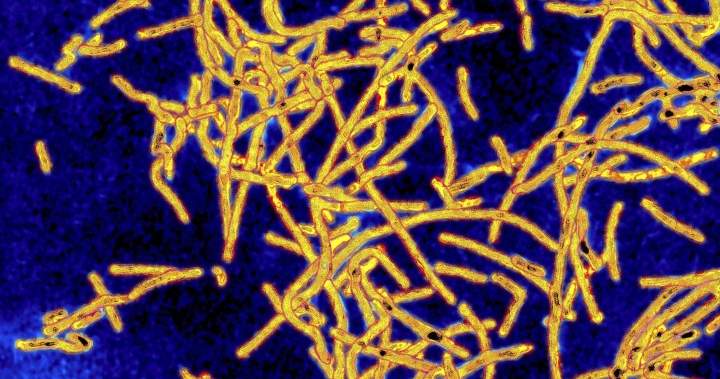
An outbreak of Legionnaires’ disease, a severe form of pneumonia, in an upscale New York City neighbourhood is slowing, authorities say, but the bacteria have made their way into the cooling systems of several well-known Manhattan landmarks

There had been 63 confirmed cases in the city as of Wednesday, along with 13 hospitalizations, local government officials said. The outbreak is confined to the Upper East Side neighbourhoods of Carnegie Hill and Yorkville
2:19
Health Matters: Pneumonia hospitalizations increased last year, CIHI report says
- Health Matters: Pneumonia hospitalizations increased last year, CIHI report says

World Pneumonia Day: protecting Canadians from Pneumococcal Disease
Diane Keaton’s cause of death revealed


The likelyrs in the area, officials said
No one has died as a result of the spread, which has affected systems at the Metropolitan Museum of Art, The Guggenheim and apartment buildings on Fifth Avenue, the New York Times reported

Get weekly health news
Receive the latest medical news and health information delivered to you every Sunday.
By providing your email address, you have read and agree to Global News’ Terms and Conditions and Privacy Policy.
Cooling towers are usually found on the tops of buildings and control the temperature of infrastructure like refrigeration systems and hot tubs. The city health department is testing all such towers in the area, it said. When a test comes up positive, the protocol is to drain the cooling tower
To reduce the risk of bacteria growing, buildings should regularly clean and disinfect cooling towers, maintain adequate chlorine levels in spa pools and flush unused taps in buildings on a weekly basis, the U.S. Centers for Disease Control and Prevention advises
Because Legionnaires’ disease is not caused by an issue with any building’s plumbing system, officials said residents can continue drinking tap water, bathing, showering, cooking and using air conditioners, which don’t use water to cool the air
What is Legionnaires’ disease?
Legionnaires’ disease is a severe type of pneumonia caused by breathing in legionella bacteria through contaminated water vapour or droplets, but is not contagious between people, according to the Mayo Clinic
Though treatable, it is fatal in about one in 10 cases, the U.S. Centers for Disease Control and Prevention says
Symptoms usually develop two days to two weeks after exposure and include cough, fever, headaches, muscle aches and shortness of breath, according to the health agency
People aged 50 or older are at an increased risk for Legionnaires’ disease, as are those who smoke or vape, have a chronic lung disease or have a weakened immune system
New York City officials advise that anyone who currently lives or works in the affected area, or who has visited the area since late June and is experiencing flu-like symptoms such as cough, fever or difficulty breathing, to contact a health-care provider immediately
If untreated, Legionnaires’ disease usually worsens during the first week, the World Health Organization says. Complications can include respiratory failure, shock and kidney or multi-organ failure
The name comes from an outbreak that hit attendees of an American Legion convention in Philadelphia in 1976
Last month, health officials in Hamilton, Ont., declared an outbreak of the illness over. In May, 22 people in the east Hamilton and Stoney Creek areas were hospitalized after a lab confirmed their infections
Cooling towers and othere being investigated but have not been confirmed as the
— with files from The Associated Press
