


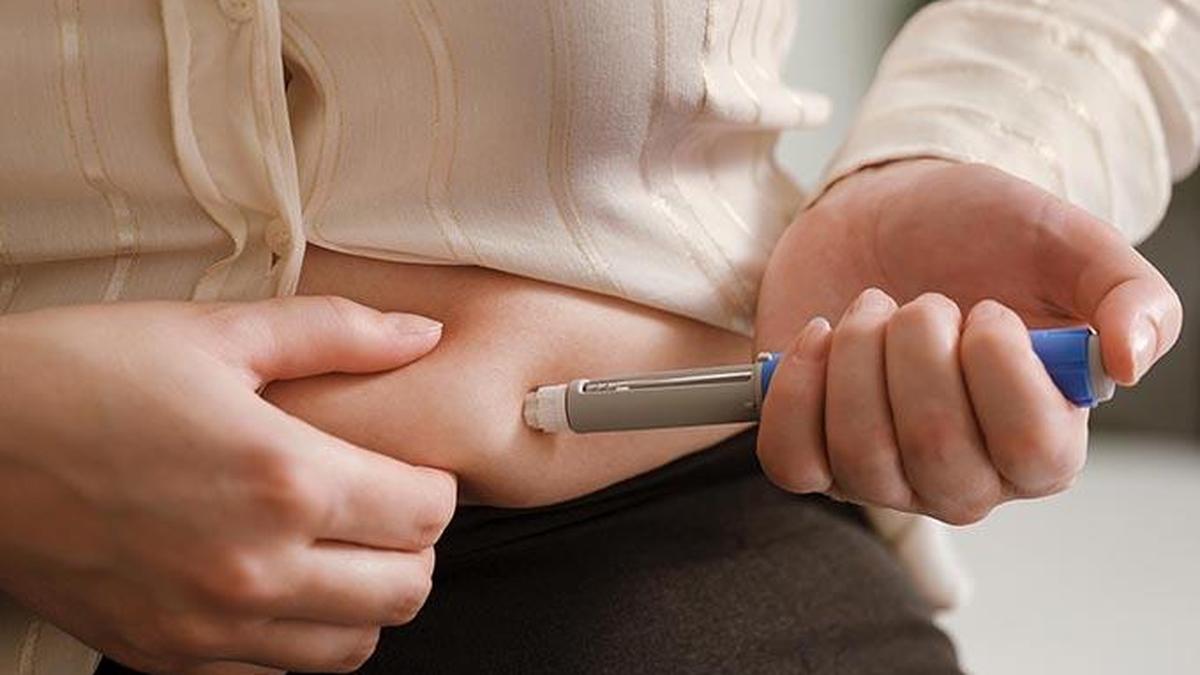
1 based medicines have changed the management of obesity, type 2 diabetes and metabolic health across the world. Drugs such as semaglutide and tirzepatide are prescription medicines, however, not cosmetic treatments. Their primary role is medical: improving weight-related health, blood sugar control and cardiometabolic risk. However, their effects are often visible externally. For this reason, dermatology is becoming an important part of the GLP-1 conversation
The weight-skin connection
The skin, hair and nails are highly responsive to changes in weight, nutrition, hormones, inflammation and physiological stress. When a person loses weight rapidly on GLP-1 treatment, changes may be seen in the face, body, scalp and nails. These changes are not usually dangerous, but they can affect comfort, appearance, confidence and quality of life. In some patients, they may also signal nutritional deficiency, worsening of an underlying condition, or the need for medical intervention
The most widely discussed change is facial volume loss. As body weight reduces, facial fat may reduce as well. Some people notice hollowing of the cheeks or temples, deeper folds, looser skin around the jawline, or a more tired appearance. The phrase ‘Ozempic face’ is commonly used, but it is not medically precise. These changes can occur after any significant or rapid weight loss, whether or not medication is involved. What is new now, is the number of patients now experiencing medically assisted weight loss and seeking advice about the aesthetic consequences.
The skin on the body may also change. After substantial weight reduction, loose skin can appear over the abdomen, arms, thighs, breasts or under the chin. In humid climates, these folds can become sites of sweating, friction, itching, pigmentation, intertrigo, fungal infections or bacterial irritation. In skin of colour, post-inflammatory pigmentation in these areas can be persistent and distressing. For some patients, what begins as loose skin may become a recurring medical problem involving itching, odour, rash or infection.
Effects on hair
Hair shedding is another common concern. Many patients report increased hair fall a few months after starting treatment. This often resembles telogen effluvium, a temporary shedding pattern that can follow rapid weight loss, illness, surgery, childbirth, crash dieting or nutritional stress. The medication may not be the only reason. Reduced intake of protein, iron, vitamin D, vitamin B12, zinc or overall calories may contribute. Some patients may also have underlying female pattern hair loss, PMOS, thyroid disease, low ferritin or autoimmune hair loss that becomes more apparent during weight loss.
Hair fall during GLP-1 treatment should therefore be assessed properly rather than dismissed. After thorough examination, depending on the diagnosis, treatment may include topical minoxidil, low-dose oral minoxidil, correction of nutritional deficiencies, anti-androgen therapy in some women, platelet-rich plasma, treatment of dandruff or scalp inflammation, or clinical monitoring when the pattern is self-limiting
Nail changes receive less attention but remain relevant. Patients may notice brittle nails, peeling, ridging, slower growth or easy breakage. These changes may reflect reduced nutrition, frequent wet work, thyroid disease, eczema, psoriasis, fungal infection or anaemia. Treatment should be directed at the cause: moisturising the nail folds, avoiding repeated trauma from harsh manicures, checking for fungal infections when indicated, and correcting deficiencies when present
GLP-1s to treat skin diseases
There is now a growing interest in the role of GLP-1s in inflammatory skin disease. These medicines may have anti-inflammatory effects beyond weight loss and blood sugar control. Early reports suggest possible benefits in conditions such as psoriasis and hidradenitis suppurativa, especially in patients who also have obesity, insulin resistance or type 2 diabetes
This is clinically plausible. Psoriasis and hidradenitis suppurativa are not simply local skin problems. They are chronic inflammatory diseases that often overlap with metabolic dysfunction. Weight loss, improved insulin sensitivity and reduced systemic inflammation may improve disease severity in some patients. Early studies and case reports suggest that GLP-1 therapy may reduce flares, pain, scaling, drainage or itching in selected individuals
However, the evidence is still developing. GLP-1s should not yet be presented as standard dermatology treatments for psoriasis or hidradenitis suppurativa. Their role may be most relevant when inflammatory skin disease and metabolic disease coexist, but larger controlled studies are needed
Planning ahead
From an aesthetic perspective, the priority should be to plan rather than panic. Patients who already have hair loss, acne, pigmentation, psoriasis, eczema, hidradenitis suppurativa, loose skin concerns or nutritional deficiencies may benefit from a baseline dermatology review before, or early during treatment. This is especially important for women, vegetarians, people with PMOS, postpartum patients, those with heavy menstrual bleeding, and patients with a history of bariatric surgery or low iron stores.
Skincare during GLP-1 treatment should be simple, consistent and barrier-supportive: a gentle cleanser, regular moisturiser, sunscreen, and treatment of specific concerns as they arise. Retinoids, peels, lasers, radiofrequency, ultrasound tightening, fillers, biostimulators, platelet-rich plasma or surgery may all have a role in selected patients. However, timing matters. Major aesthetic procedures are often better planned once weight has stabilised, because ongoing weight loss can alter facial volume, skin laxity and procedural outcomes.
Multi-pronged approach
The central message is coordination of care. The endocrinologist or prescribing physician manages the indication for treatment, dose escalation, metabolic response, systemic side effects and long-term safety. The dermatologist manages the visible and inflammatory consequences: hair shedding, skin laxity, pigmentation, acne, intertrigo, psoriasis, hidradenitis suppurativa, nail changes and procedural planning
GLP-1s are not beauty drugs. They are powerful metabolic medicines with visible dermatological consequences and early anti-inflammatory promise. Used carefully, and with close collaboration between the dermatologist and endocrinologist, they can support metabolic health while helping patients manage changes in their skin, hair, nails and aesthetic confidence in a safe and informed way
(Dr. Monisha Madhumita is a consultant dermatologist at Saveetha Medical College, Chennai. mail.monisha.m@gmail.com)
