


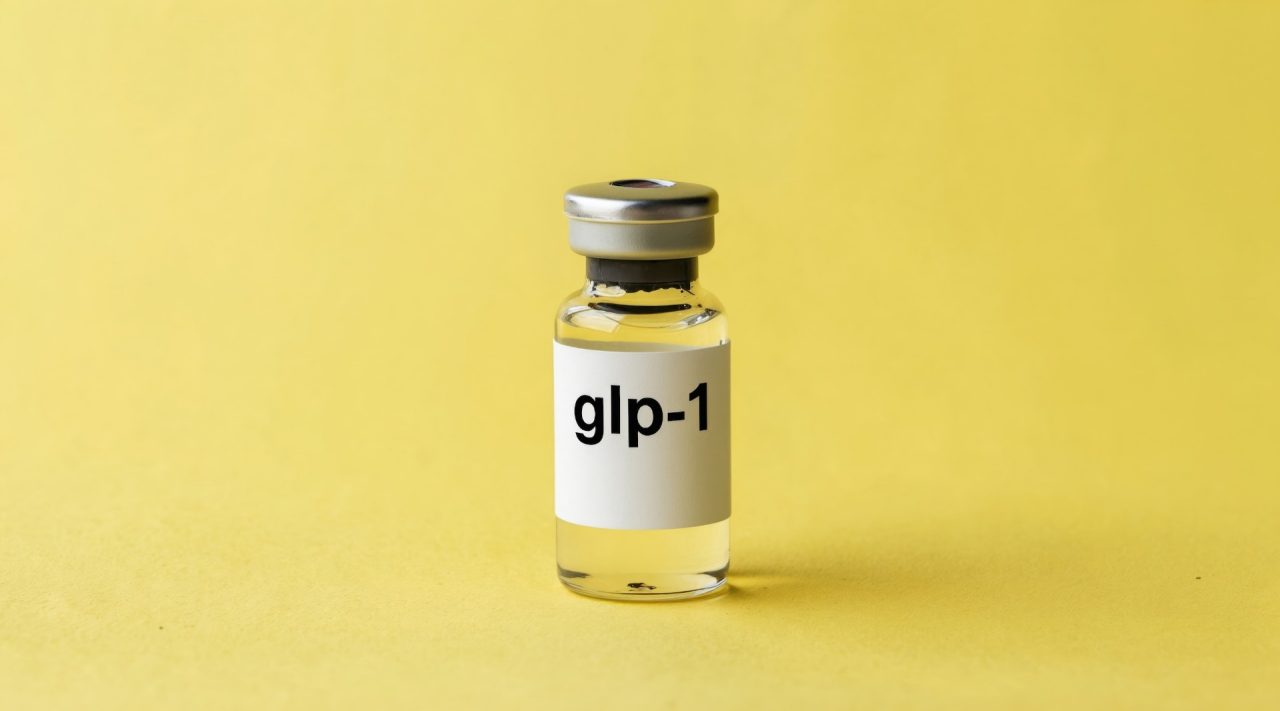
You’ve probably seen the ads: Companies are offering weight loss drugs delivered straight to your door for a few hundred dollars a month — no insurance required
For consumers unwilling or unable to pay for GLP-1 medications like Ozempic, Wegovy and Zepbound, the offers from compounding pharmacies — rather than mainstream manufacturers of the drugs — are appealing. Indeed, at their peak in 2024, nearly 1 in 3 Americans taking a GLP-1 drug said they were getting it from a compounding pharmacy
But there is a catch. The versions of the weight loss drugs made by compounding pharmacies don’t have the same approval from the U.S. Food and Drug Administration (FDA) as the brand name drugs do. Some have additional ingredients or alternate chemical forms of the active drugs. The FDA <a href="https://www.fda.gov/drugs/drug-alerts-and-statements/fdas-concerns-unapproved-glp-1-drugs-used-weight-loss" rel="nofollow noopener” target=”_blank”>has raised concerns about the increased risk of dosing errors, improper storage and fraudulently labeled GLP-1s from compounding pharmacies. Recently, they’ve begun issuing warning letters to some pharmacies, giving them a chance to back off from unfounded claims about their drugs.
GLP-1s 101: What the science says
- Addiction
So, are these copycat versions of the weight loss drugs safe? Poison control centers across the U.S. have seen a more than 15-fold increase in calls related to injected weight loss drugs since 2019, with many of them relating to the kind of dosing errors that are easier to make with compounded drugs
We spoke with Stanford Medicine clinicians who prescribe GLP-1s daily. They say the concerns with the compounded drugs are real, but so is the cost crisis that drives people to use them
“People ask me all the time whether these compounded drugs are an option because of the cost and access,” said Michael Blyumin, PharmD, an ambulatory clinical care pharmacist at Stanford Medicine. “But I advise against it; there are a lot of potential problems that they pose.”
What are GLP-1 drugs and why are they so costly?
GLP-1 stands for glucagon-like peptide-1, a hormone naturally produced in the gut that tells our bodies when we’ve eaten, helping regulate blood sugar and appetite. GLP-1 receptor agonists are drugs that mimic this hormone, signaling the brain to reduce hunger and make other metabolic changes. The drugs, including semaglutide (Ozempic, Wegovy and Rybelsus), tirzepatide (Mounjaro and Zepbound) and retatrutide (still in clinical trials), are used to treat both diabetes and obesity
Because they are new, patented drugs, GLP-1s can cost more than $1,000 per month at their list price. Patent laws dictate that generic versions of semaglutide won’t be available in the U.S. until at least 2032, when the first main patent for the drug, held by Novo Nordisk,expires; Eli Lilly’s patents on tirzepatide don’t begin to expire until 2036
What makes a compounded GLP-1 “unapproved”?
A compounded drug is made when a pharmacy — unconnected with the manufacturer of a brand-name product — formulates a custom-made version of a drug. These pharmacies serve lots of medically necessary needs, such as making a liquid version of a pill for children or a variation of a medicine for people with a severe allergy to an ingredient. However, unlike FDA-approved drugs, they don’t go through the agency’s review process for safety, effectiveness or quality before reaching patients
Normally, compounding a commercially available drug isn’t permitted. But when GLP-1 drugs faced severe shortages beginning in 2022, the FDA allowed compounding pharmacies to begin producing it. As Blyumin put it, they “were given limited use authorizations to compound these drugs that otherwise they shouldn’t be able to, because they’re on patent.”
Now, those shortages have ended, and compounding pharmacies no longer have a legal basis for producing identical copies of GLP-1s. But eager for business, they are now formulating new variations of the drugs — adding new ingredients, using different forms of the hormones or creating new delivery methods (such as sublingual drops or tablets that dissolve under your tongue) so they can claim they are different products
GLP1s and addiction: Five things to know
- Addiction
What are the risks of taking compounded GLP-1s?
Those differences in manufacturing, ingredients and formulations are exactly what has some clinicians worried about their patients’ use of compounded GLP-1s. They also worry that when patients receive drugs online from compounding pharmacies, they may not get the same level of guidance about how to take the drugs or what to expect from the compounded drug providers as they would get from a clinician
“The use of compounded drugs in patients using GLP-1s without medical supervision pose significant risk and can result in significant consequences,” said Marina Basina, MD, a clinical professor in endocrinology, gerontology and metabolism
The risks and downsides fall into several categories:
The semaglutide and tirzepatide in FDA-approved drugs have specific chemical structures that were tested extensively in clinical trials. Some compounders use chemically distinct structures known as salt forms. Rather than semaglutide, for instance, they might use semaglutide sodium, which is a version of the drug that has a sodium salt attached
These salt forms of GLP-1s have not been proven safe and effective in humans or approved by the FDA, Basina noted, adding that effectiveness “can be different due to the salt form differences.”
Additives
To differentiate their products from the FDA-approved GLP-1s, many compounders add extra ingredients — most commonly vitamin B12, but also B6, niacinamide, glycine or carnitine — that have no proven benefit for weight loss or diabetes management
These combinations are largely untested in clinical trials. A 2026 study found that when tirzepatide is compounded with B12, the two substances can chemically bond, forming a new molecule not found in the FDA-approved drug. The finding was replicated by tirzepatide maker Eli Lilly, who carried out tests on the impact of mixing tirzepatide and B12 and released a statement underscoring that the clinical consequences of the new molecule are not known
Untested formulations
Semaglutide and tirzepatide are FDA-approved as injectables (an oral tablet version of semaglutide is also approved), but the formulations some drug compounding pharmacies are selling in the form of sublingual drops or dissolving tablets have never been studied in clinical trials
Blyumin cautioned consumers to be wary of these formulations
“Nobody legitimate makes sublingual semaglutide,” Blyumin said. “I’ve never seen data that says how efficiently it’s absorbed that way.”
Dosing errors
FDA-approved GLP-1s come in pre-filled, single-dose pens with clear instructions. Many compounded versions come in multidose vials, requiring patients to measure their own doses, a practice that introduces significant room for error. The FDA has flagged cases in which patients inadvertently administered doses at 10 to 20 times the prescribed amount, simply by making mistakes while drawing medication from a vial. In 2024, 95% of adverse events associated with GLP-1s were related to either how the product was dosed or how it was administered, rather than issues with the drug.
In addition, some compounded GLP-1s come in different concentrations than the standard forms; five units of one may contain twice as much drug as the other. And the labels aren’t always accurate: compounded GLP-1s may contain more or less of the drug than they claim.
“For a lot of these forms, you have to dive into truly how much of the drug is in this bottle,” Blyumin said. “Even to clinicians, when we look at it, it’s not always clear.”
Peptide stability and degradation
GLP-1 drugs belong to a class of molecules called peptides, which means they are short chains of amino acids — the building blocks of proteins. Peptides are inherently fragile, prone to falling apart when exposed to heat, light or improper handling
FDA-approved versions of the drugs are manufactured and packaged under tightly controlled conditions designed to preserve that stability through shipping and storage. Compounded versions, made in smaller batches without the same manufacturing oversight, are more vulnerable to breaking down before they get to your door. Degraded peptide may lead to a less potent drug without any visible sign of the problem
What are the side effects of unapproved GLP-1s?
The downsides of GLP-1s can be summed up in one message: You don’t know what you’re getting. In many cases, this might mean you’re getting less of the drugs, or less effective drugs, than you think you’re paying for. A lower dose than expected is unlikely to have side effects
But an excess dose or extra ingredients may mean that you end up with side effects and symptoms beyond those already associated with GLP-1s, including nausea, vomiting, constipation, diarrhea and headaches are all common.
“It is difficult to distinguish symptoms from FDA-approved and compounded products,” Basina noted. “Especially because side effect severity can vary from person to person.”
But Basina said there are red flags to watch out for if you’re taking a compounded drug:
- Signs of severe dehydration such as fainting and confusion or not urinating for eight hours.
- Pancreatitis, which usually feels like sharp pain in your upper abdomen and back.
- Gastrointestinal symptoms that don’t improve when you eat smaller meals or take anti-nausea medications.
- Gastrointestinal symptoms that grow worse rather than easing up the longer you’re on the drug.

Michael Blyumin and Marina Basina
The 2026 FDA crackdown: What changed?
Regulatory agencies have been tightening their oversight of compounded GLP-1s for more than a year. Tirzepatide came off the FDA’s official drug shortage list in December 2024, and semaglutide followed in February 2025, eliminating the legal pathway that allowed compounding pharmacies to produce copies of the drugs
On April 30, 2026, the FDA took the more sweeping step of proposing to permanently exclude semaglutide, tirzepatide and liraglutide from the “503B Bulks List” — the list of ingredients that large-scale compounding facilities are legally permitted to use. If that change is finalized, which could take several months, it would close the last legal pathway for most compounded GLP-1s
At the same time, the FDA sent warning letters to dozens of specific companies for making false or misleading claims about their compounded GLP-1 drugs
Will you lose access to your compounded GLP-1?
Not immediately. In June, the FDA extended the public comment period for the 503B Bulks List proposal to the end of July
Even if finalized as proposed, the rule would apply specifically to 503B outsourcing facilities, the large-scale operations that supply much of the compounded GLP-1 market. Smaller 503A pharmacies, which compound drugs for individual patients based on a prescription, would still be legally permitted to make patient-specific versions. However, these pharmacies are more limited in scale and can make GLP-1s for only a narrow set of reasons, not routine prescriptions
This proposal doesn’t change access for patients using an FDA-approved GLP-1 — Ozempic, Wegovy, Rybelsus, Mounjaro, Zepbound, Saxenda or Victoza

Healthy habits for your 60s, 70s & beyond
READ THE STORY HERE
Healthy habits for your 20s & 30s
READ THE STORY HERE
Healthy habits for your 40s & 50s
READ THE STORY HERE
- 8
- 9
- 2
What should you do if you’re taking an unapproved GLP-1?
Basina and Blyumin emphasized that patients shouldn’t panic or stop a medication abruptly — particularly if it’s used to manage diabetes. Instead, they should explore low-cost FDA-approved options and consult with a clinician about switching
“I think people just assume they can’t afford these medications, but there are options they may not know about,” Blyumin said
He pointed toward Medicare out-of-pocket caps for some patients and cost-savings options for people who buy in cash directly from the manufacturers. Basina mentioned that older weight-loss drugs like phentermine-topiramate, available as a generic, offer significant savings.
For patients who want to transition from a compounded product to an FDA-approved one, both clinicians cautioned that the process isn’t always straightforward, as it may not be clear what dose a patient on a compounded product had been taking
“Start with a lower dose than patient’s reported compounded drug dose and titrate up slowly,” Basina said
How to spot unsafe online GLP-1 providers
If a compounded product is the only option, Basina advised confirming that it comes from a 503B-registered outsourcing facility, rather than an unregistered online seller, and staying under close medical supervision while using it. The FDA’s BeSafeRx program can help you locate a licensed online pharmacy in your state
Other clues that your compounded prescription may not be legitimate:
- It does not require a prescription.
- The pharmacy is not located within the U.S.
- The medication arrives in packaging that is damaged, open, labeled in a foreign language or has no expiration date.
- Unusual delivery methods. Delivery methods other than injections and oral pills, such as sublingual drops and dissolving tablets, have not been tested in clinical trials.
- Vague or proprietary ingredient lists. Products marketed as “personalized” blends with added vitamins or other ingredients, without a clear clinical rationale, are often designed to tout those additions to sidestep regulations rather than to benefit the patient.

INSIGHTS: Going beyond the headlines
Sharing the informed perspectives of those leading medical research, patient care and education at Stanford Medicine
The science of addiction
READ THE STORY HERE

Seed oils: What should you know
READ THE STORY HERE

Young people and nicotine: 5 things to know
READ THE STORY HERE
Sunscreen fact & fiction
READ THE STORY HERE
Kids, teens and antidepressants
READ THE STORY HERE

The science behind sunscreen
READ THE STORY HERE
Understanding the gut-brain connection
READ THE STORY HERE
- Insights
- 8
- 9
- 6
- 2
- 3
- 4
- 5
