



It’s safe to say most of us occasionally need an energy boost, especially when facing the midafternoon slump of a busy workday or waking from a restless night’s sleep. While coffee can provide a quick pick-me-up, there are also plenty of beneficial foods you could consume to fend off fatigue without resorting to caffeine. Here’s what nutritionists recommend to help support steady energy levels throughout the day
Use coffee strategically
Coffee has several well-established benefits, but it’s best consumed alongside a balanced breakfast. “A lot of people associate energy with caffeine, but your body actually gets energy from nutrients,” explains Valerie Agyeman, MA, RDN, a women’s health dietitian and the host of the Flourish Heights podcast. “Carbohydrates provide fuel for your brain and muscles, while protein and healthy fats help keep energy levels steady.”
“Coffee tends to provide a quicker and more noticeable boost because it contains more caffeine. Foods like oatmeal, yogurt, eggs, and fruit work differently because they provide nutrients and calories that your body can use for sustained energy,” says Agyeman. “That’s why I encourage people to think of coffee as a complement to a balanced breakfast rather than a replacement for one.“
Advertisement
“Unsweetened coffee and tea can absolutely be part of a healthy eating pattern, and caffeine itself has been linked to a number of benefits, including improved alertness, concentration, and physical performance,” says nutrition consultant, author, and media expert Jaclyn London, MS, RD, CDN
Contrary to popular opinion, both Agyeman and London point out that coffee doesn’t usually dehydrate most people. In most cases, those who feel tired after their recommended three to four cups of coffee aren’t getting enough energy from sleep or a well-balanced diet rather than coffee-related dehydration
“If you feel like you’re ‘crashing’ after coffee,’ it’s often less about dehydration and more about relying on caffeine instead of eating enough food, staying hydrated overall, or getting adequate sleep,” London says. “Coffee works best as an addition to a balanced meal—not a replacement for one.”
Build a protein-packed breakfast
You’ve probably heard breakfast called the most important meal of the day. While nutrition needs vary from person to person, experts agree that starting the day with a balanced meal can help support steady energy levels
Advertisement
“In my experience, one of the best things you can do for better energy is eat a more substantial, protein-packed first meal of the day,” London says. “Not only can that help keep you satisfied for longer, but it can also have a ripple effect on the choices you make for the rest of the day.”
To that end, London recommends building a breakfast around protein, fiber-rich carbohydrates, and healthy fats, all of which provide a sustainableeggs, Greek yogurt and fruit, whole-grain toast, and oatmeal topped off with nuts or nut butter
Alternatively, if you’re not partial to breakfast, London suggests splitting your meal into two separate sections: eating a smaller snack (like a banana and a latte) at home, followed by an equally small plate of peanut butter toast or another protein-packed dish once you’ve arrived at work
Choose snacks that prevent energy crashes
While you may crave a bag of chips or a cookie midday, most nutritionists recommend choosing snacks that combine protein, fiber, and healthy fats. They can help support sustained energy to get you through the remainder of the day
Advertisement
“Most people feel their best when they’re eating approximately every three to four hours, whether that’s meals, snacks, or a combination of both,” London says. “Going too long without eating can leave you feeling drained, overly hungry, and more likely to reach for foods that provide a quick burst of energy (e.g. Swedish fish at the office) without much staying power.”
Though snacks like pretzels or donuts might trigger a momentary surge, that feeling doesn’t last very long. “Foods that are primarily made up of refined carbohydrates or added sugars may provide a quick burst of energy, but that effect is often short-lived,” London says. “For many people, it’s followed by hunger, cravings, or a noticeable dip in energy a few hours later.”
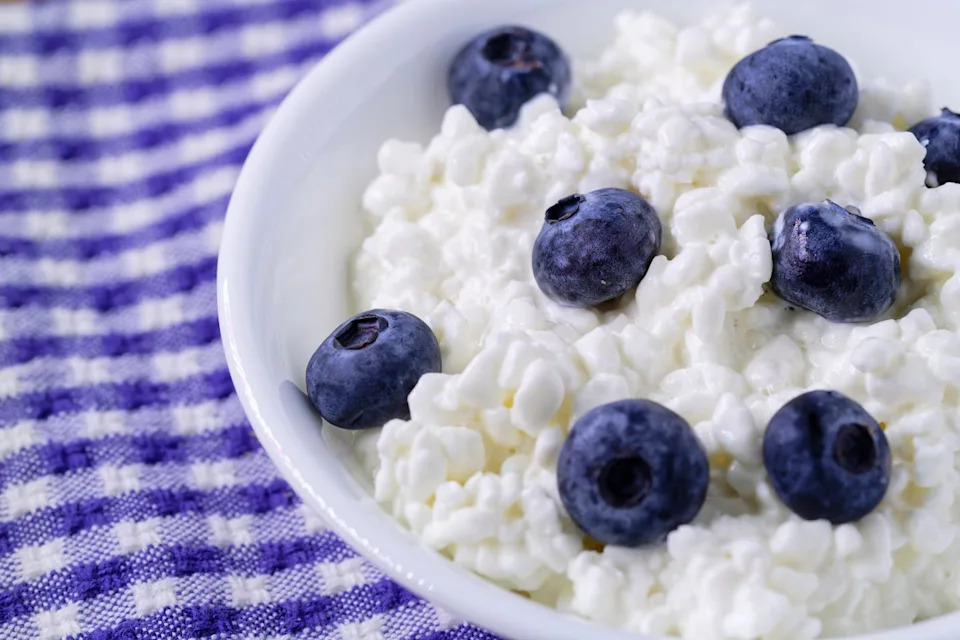
Instead of these unsatisfying snacks, London points to more supportive foods for a midday treat like unsweetened Greek yogurt, cottage cheese with fruit, whole-grain crackers with cheese, peanut butter and whole grain toast, or veggies and hummus
Stay hydrated throughout the day
Dehydration is a common but often overlooked contributor to fatigue. “Even mild dehydration can contribute to fatigue and difficulty concentrating,” London says.“In addition to drinking enough fluids, foods with a high water content—including fruits, vegetables, milk, yogurt, and kefir—can help support hydration, which is essential for maintaining energy levels throughout the day.”
Advertisement
While some people might reach for sports drinks like Gatorade, London suggests staying away from beverages with too much added sugar, unless you’re about to experience some intense physical activity in the near future
“Electrolyte drinks are most helpful during prolonged, vigorous exercise (generally over 60 to 90 minutes), especially in hot or humid conditions when you’re losing significant amounts of sweat,” London says. “So unless you’re training for an endurance event like a marathon or triathlon, I’m more concerned about people over-consuming sodium vs. not getting enough.”
Aim for a balanced dinner
Meals that lack protein, fiber, or healthy fats can leave people feeling hungry and low on energy sooner
“The combination of nutrients and foods we choose can have a significant impact on how energized we feel throughout the day,” London says. “Focusing on eating more whole foods and building meals around protein, fiber-rich carbohydrates, and healthy fats tend to provide more sustained energy because they’re digested more gradually and help keep us satisfied for longer.”
Advertisement
London encourages people to create meals around fruits and vegetables, whole grains, nuts and seeds, and plant- or animal-based protein. “If you need a place to start: Think about prioritizing produce and protein at each meal and snack that you eat and build/add on to your meals from there,” the nutritionist shares
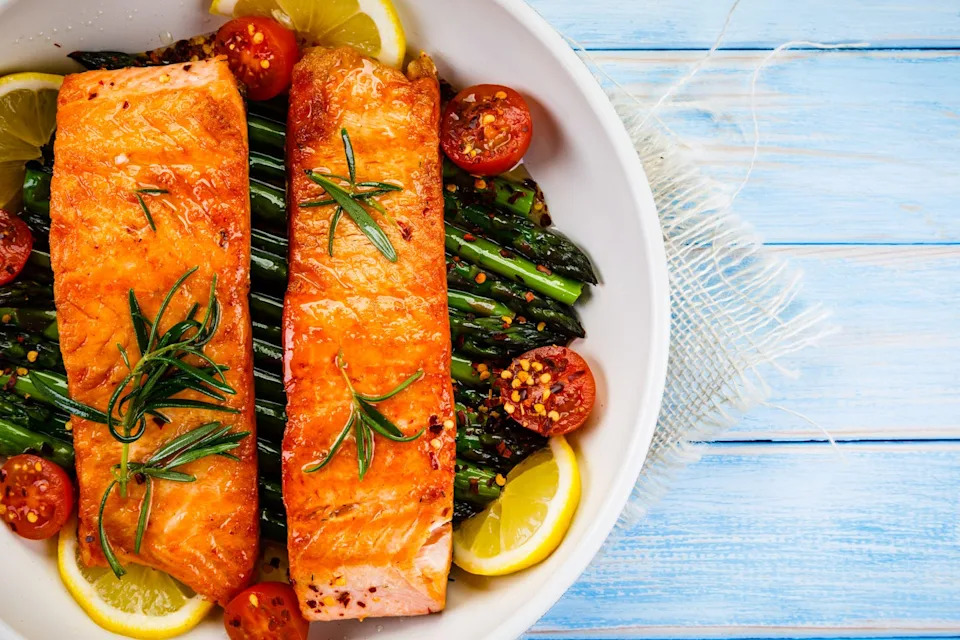
Some energy-packed dinners she recommends trying include grilled salmon with sautéed broccoli and a baked sweet potato, grilled sirloin steak with roasted Brussels sprouts and quinoa, grilled chicken with roasted asparagus and brown rice, stir-fried tofu with mixed vegetables and brown rice, and lentil or bean chili with avocado and a side salad
The secret to steady energy
While caffeine can provide a temporary lift, nutrition experts say the best way to maintain energy throughout the day is through a combination of balanced meals, protein-rich snacks, proper hydration, and consistent eating habits
Eat These Expert-Recommended Foods to Lower Your Blood Pressure Naturally
We’ve Tested Over 300 Sets of Bed Sheets. These Are the Best
