


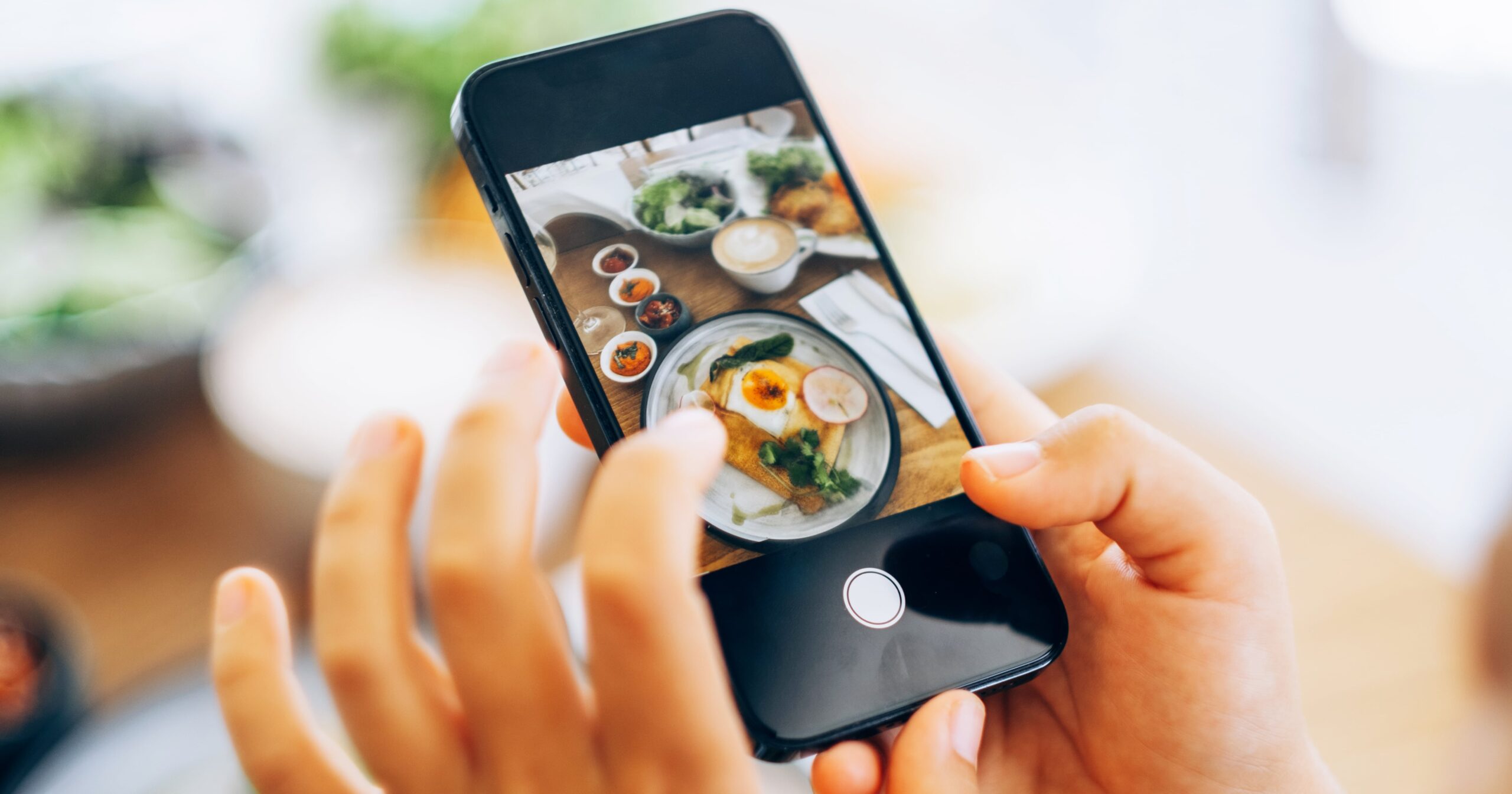
<img src="https://healthylife7.com/wp-content/uploads/2026/07/tmp_wAbgzY_e67cb345fc60d6ec_GettyImages-2226124269.jpg” alt=”Hands holding smartphone taking a photo of delicious plated breakfast food with coffee and sides on a bright table”>
Early on in my career as a health and wellness journalist, I felt completely overwhelmed by the constant onslaught of nutrition news flooding my inbox. Day after day, there was some new food we were supposed to avoid at all costs, some diet that promised optimal health, and an ever-changing star superfood
And it wasn’t just my work life: social media was also increasingly becoming a space to share information and recipes, rather than the overly filtered images of lattes (those were the days). As a result, food bloggers began filling the platform with aesthetic recipes and nutrition information. And while much of it was wonderful, it also paved the way for the proliferation of nutrition misinformation and widespread fear-mongering
I made it my mission to spend one week weeding any problematic nutrition content out of my algorithm
I remember feeling paralyzed, attacked on all sides by counsel about what I should and should not eat. Suddenly, I was fearful of dining out or sticking my fork into anything that wasn’t 100 percent “healthy.” I began falling into patterns of disordered eating, often saying no to foods that brought me joy and only opting for desserts that were made with “healthier” swaps (who remembers the era of black-bean brownies?)
Eventually, it became too much, and I knew my mindset around food needed to change. I latched onto the concept of “intuitive” and “mindful” eating, listening to what my body needed and wanted — without passing judgement or mentally punishing myself for it
Now, as a 30-something woman who has watched diet trends and nutrition recommendations wax and wane, I have a very different perspective than I did in my 20s. I’m solely interested in cooking and eating meals that help me feel clear-headed, give my body the energy it needs to move and thrive, and ultimately taste delicious. At this stage in my life, I know that stressing and obsessing about food is wildly worse for my health than simply doing my best to eat nutritious ingredients. I also appreciate that food is about so much more than a means to an end. It’s a form of community-building, heritage-sharing, cultural celebration, memory-making, pleasure, and joy.
Unfortunately, despite my own mental shift around food, the social media abyss is ripe with videos that perpetuate concerning ideology around food and nutrition. Over the years, I’ve made it my mission to weed out all food content that perpetuates unhealthy or erroneous messaging about nutrition. However, with the rise of #skinnytok and the resurgence of thin-worshipping culture, there is more concerning messaging on the internet than ever before. So, as part of my summer cleaning journey, I made it my mission to spend one week weeding any problematic nutrition content out of my algorithm.
How I Cleaned Up My Food Algorithm in 1 Week
Let me start by saying this: there is a LOT of noise on social media about nutrition. Everyone fancies themself an expert, even when they have no credentials or proper education on the topic. As a result, there’s so much misinformation sprinkled into content on a daily basis. Even information that comes from credible a game of telephone: the meaning shifts and changes, while the original fact is lost in translation
So, my general rule of thumb (as a conscious consumer and health journalist) is to take everything I hear on social media with a grain of salt — particularly any claims that feel inflammatory or fear-mongering. This came into play over the last week, as I mindfully approached my social media feed. If any nutrition information piqued my interest, I bookmarked it and made a note to look into the sourcing before taking any of it to heart
There were a number of things that automatically led me to swipe or click “not interested,” all in service of training my algorithm. For instance, if I came across any recipes or informational videos that contained problematic, restrictive, or diet-coded language around food (“low-calorie,” “cheat meals,” “guilt-free,” “detox,” “skinny”), then it was an immediate no for me. When I came across a carousel post with the title “Meals I ate when I was at my skinniest,” I clicked “not interested” as quickly as I possibly could. Doing so trains the algorithm to steer clear of similar users, videos, and content.
Diet culture has found new ways to rebrand that appear more benign at first glance
Of course, some examples of this language are easier to spot than others, especially because diet culture has found new ways to rebrand that appear more benign at first glance. “Clean eating,” for instance, is one of those insidious terms that plays into the idea that certain foods are “good” and others are “bad.” The same goes for “swaps” or “hacks” that aren’t tied to specific dietary needs
I also focused on weeding out any videos that placed fear front and center (think: a creator walking around a grocery store while ominous music plays in the background). Or those that started out with in-your-face announcements about some problematic food or another — thank you, next
I was wary of any clear trends or trending language around food and nutrition, as well. Right now, that means all the hype around “proteinmaxxing,” “fibermaxxing,” and “healthmaxxing” (I even wrote an entire article about why I dislike the term “maxxing”). The way I see it: Anything that feels extreme probably is, and it has no business in my algorithm
At the end of the day, training your algorithm is all about mindfully pruning the type of content that causes you to feel stressed, bad about yourself, or overwhelmed that you’re not doing “enough” to take care of your health. In my experience, eating well is pretty simple: prioritizing whole, nutrient-dense foods wherever possible, getting a wide variety of fruits and vegetables, incorporating high-quality protein and fats into each day, and minimizing processed foods where you can. Also: taking self-hatred, punishment, and guilt out of the equation entirely (those are the ingredients for a miserable, unhealthy life).
Fortunately, there are a number of incredible creators on social media who align with this mindset and share lovely recipes to try at home, along with registered dietitians who are constantly debunking rampant misinformation. During my week of mindful social media consumption, I came across the creator Sophie Macfie (@sophsplantkitchen), whose content is rooted in a post-calorie-counting lifestyle, and focused on sharing recipes for nourishing and tasty meals. Seeing her posts gave me hope that social media is not completely dissolving into a cesspool of antiquated ideology. Yes, positive, useful, and joyful content is certainly out there — you just need to clear the clutter, and make room for it to shine through.
Kristine Thomason is a lifestyle writer and editor based in Southern California. Previously, she was the health and fitness director at mindbodygreen, and the fitness and wellness editor at Women’s Health. Kristine’s work has also appeared in PS, Travel + Leisure, Men’s Health, Health, and Refinery29, among others
