



Sat, July 18, 2026 at 11:40 PM UTC
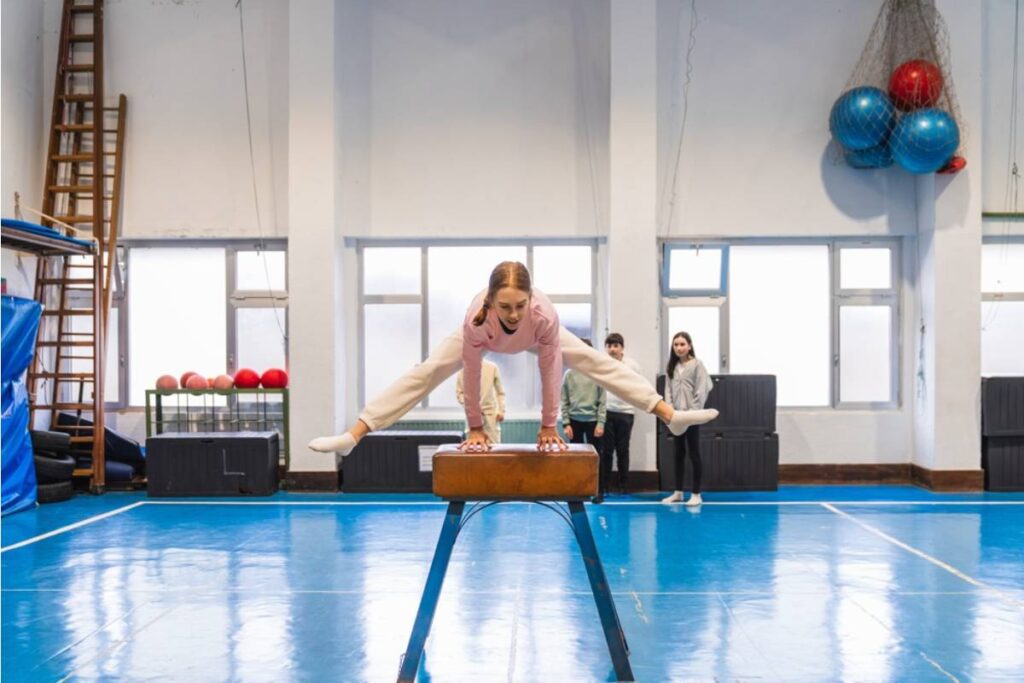
When my eight year old daughter earned a spot on a competitive gymnastics team, our whole family celebrated. She had worked for years to master skills that once seemed impossible, and she could hardly wait for her first official practice with the new group
During registration, I expected to sign the usual paperwork covering emergency contacts, medical information, and liability. Instead, one page stopped me cold. Buried in the middle of the packet was a clause stating that parents agreed to let coaches physically correct athletes’ body positions whenever necessary, without asking for permission first. Everyone else at the registration table kept signing, but I put my pen down and started reading every line again
The Form That Raised My Concerns
I asked the woman collecting paperwork what the wording actually meant. She smiled politely and said it was standard for gymnastics because coaches often needed to move an athlete’s arms, shoulders, or hips during training
I understood that gymnastics is a hands on sport, but the phrase without asking first stayed in my mind. There was a difference between coaching safely and expecting children to accept physical contact automatically
My Daughter Watched the Conversation
My daughter stood beside me holding her new team backpack. She looked excited until she realized I had stopped signing the papers
She quietly asked if something was wrong. I smiled and told her everything was fine, but I wanted to understand the rules before agreeing to them. She nodded even though I could tell she was becoming nervous
Other Parents Seemed Unbothered
While I continued reading, families around us finished signing within minutes. One father joked that the paperwork was longer than a mortgage application
Another parent overheard my question and shrugged. She said every gym she had used required something similar. Her answer surprised me because nobody seemed interested in discussing what the wording actually allowed
The Coach Offered an Explanation
The head coach noticed the delay and walked over. She explained that spotting athletes often required quick physical guidance to prevent injuries
I appreciated her professionalism, but I asked why coaches could not simply tell a child what they were about to do. She paused before saying that asking every single time might interrupt practice and slow instruction
A Small Change in Wording Felt Important
I told the coach I had no problem with appropriate spotting or safety corrections. My concern was the expectation that children would never be asked before someone touched them
She admitted she had never thought about the language that way. The waiver had existed for years, and everyone simply renewed it each season without questioning it
The Office Declined My Request
I asked whether I could cross out that specific sentence and initial the change. The front office manager politely refused
She explained that all families had to sign identical documents. No individual modifications were allowed because the waiver had been approved by the gym’s legal team
My Daughter Asked a Difficult Question
On the drive home my daughter stared out the window before finally speaking. She asked if she had done something wrong
I assured her the issue had nothing to do with her. Then she quietly asked why adults could not simply ask first before touching someone. Hearing that question confirmed exactly why I had hesitated in the first place
Conversations Spread Through the Team
A few days later another parent called me after hearing about what happened. She admitted she had signed the waiver without reading every page
After looking at her copy again, she said the wording bothered her too. Soon several parents were exchanging messages about the same clause, each interpreting it a little differently
Former Families Shared Their Experiences
One mother whose daughter had left the program the previous year joined the discussion. She said most coaches had always announced when they needed to adjust an athlete’s position
However, she also remembered one assistant coach who rarely explained anything before grabbing a gymnast’s shoulders or legs. Nothing inappropriate had happened, but several children had seemed uncomfortable speaking up
The Meeting Became More Honest
The gym agreed to hold an informal meeting with interested parents. Instead of arguing, families asked thoughtful questions about coaching methods and athlete communication
Several coaches explained that physical guidance was often necessary for safety. Parents agreed with that point but emphasized that children should also learn they could expect clear communication from trusted adults
An Unexpected Voice Changed the Discussion
One senior coach who had worked in gymnastics for decades spoke near the end of the meeting. She said coaching standards had evolved significantly during her career
Years ago, instructors rarely explained physical corrections. Today she believed asking permission whenever possible actually strengthened trust between athletes and coaches. The room became noticeably quieter after hearing her perspective
The Policy Went Under Review
A week later the gym emailed every family. Management announced they would review the waiver with legal counsel and coaching staff before the next registration period
They also introduced a new expectation that coaches verbally explain physical corrections whenever circumstances safely allowed. Emergency spotting would remain immediate because preventing injury always came first
My Daughter Returned With New Confidence
When my daughter finally attended practice, I watched from the viewing area. During stretching, I noticed a coach say, “I’m going to help straighten your shoulders, okay?”
The young gymnast nodded, and the adjustment took only a second. Practice continued without any delay. More importantly, the interaction showed that asking first did not interfere with good coaching
The Lesson Reached Beyond Gymnastics
Looking back, I never wanted to accuse anyone of having bad intentions. The coaches clearly cared about helping children improve and stay safe during demanding routines
What mattered was teaching young athletes that respect and communication belong in every environment, including sports. Children can learn discipline, trust their coaches, and accept necessary physical guidance while still expecting adults to explain what is happening. Sometimes a single question about a routine form is enough to start a conversation that benefits every family, even those who never realized they had concerns until someone finally spoke up
