



Samantha Atwood-Stone spent years trying to slim her legs
The Boston Public School teacher exercised. She ate healthy. But no matter what she did, her lower body seemed to belong to someone else. Her legs and thighs remained disproportionately large
Then, one year ago, she heard a word she had never heard before while listening to a podcast: lipedema
The chronic medical condition, which primarily affects women, is typically characterized by a buildup of fat in the legs
Atwood-Stone’s story is becoming increasingly common as experts say more and more Americans are getting their health information from social media
An estimated 10 percent of women globally have lipedema. Only recently, however, has it begun to emerge from obscurity, becoming a social media sensation
The interest isdriven by celebrities, influencers, online patient communities, and a growing body of scientific research that is reshaping how patients and physicians understand a condition that many say medicine overlooked for far too long
In March, after Doja Cat posted an almost eight-minute TikTok on her experience with the condition, lipedema searches skyrocketed. The video now has 1.8 million likes, and “doja cat lipedema” is the number-one rising query related to the condition this year
Online lipedema communities have grown rapidly, including a Reddit page with 51,000 weekly visitors. Patients, many of whom say they spent years searching for answers, increasingly turn to one another before they find physicians familiar with the disease
Lipedema is more than just heavy legs an obesity expert and the chair of the lifestyle health division at Beth Israel Lahey Health. Common symptoms include fat buildup in the lower body, leg pain, pressure, tenderness, and easy bruising
Powell credits social media with bringing awareness to the condition but said people should be cautious about following advice from influencers
“They make people think they have things they don’t,” she said, adding that most people who worry about their weight don’t have lipedema
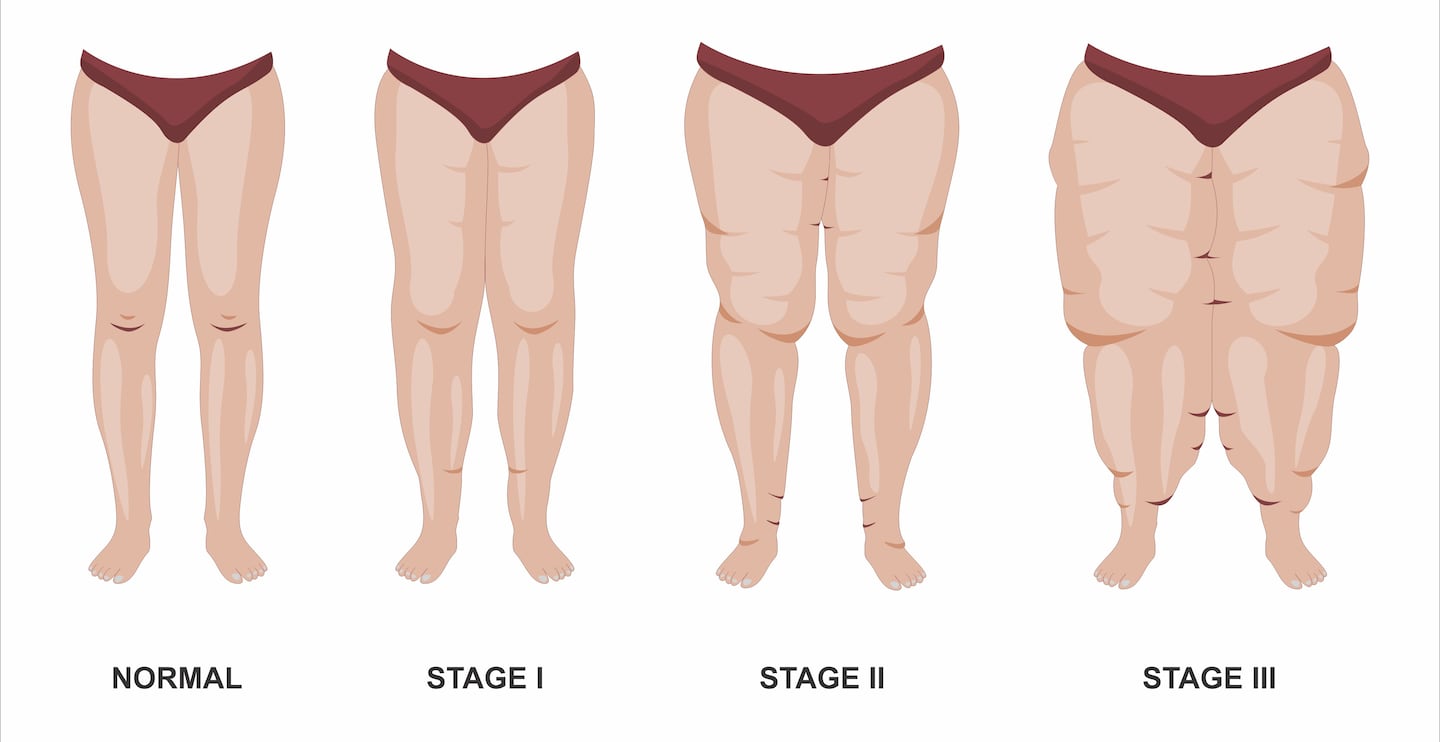
According to Powell, lipedema progresses through four stages. In stage one, the skin looks smooth, and the fat beneath it feels soft. As the condition worsens, the skin becomes uneven and dimpled. By stage four, large lobules of fat cause severe skin deformity
“They might lose weight in other places, but generally speaking, the lipedema fat doesn’t respond very well to diet, exercise, or weight loss,” she said
Lipedema was first identified at the Mayo Clinic in 1940, yet nearly three-quarters of all scientific papers about the disease indexed in PubMed, the US National Library of Medicine’s bibliographic database, have been published since 2020
Jonathan Kartt, chief executive officer of The Lipedema Foundation, said most patients face “medical gaslighting,” the experience of having your reality denied
“Talk to your doctor, get dismissed, told you’re just fat, lose weight, get out of my office, and having that cycle happen like six or seven times,” Kartt said
According to the foundation’s patient registry, symptoms typically appear between the ages of 12 and 14, coinciding with the onset of puberty. However, individuals often receive their diagnoses much later in life
Treatments for lipedema can include weight management, specialized liposuction, compression therapy, lymphatic drainage, and psychological support, Powell said. However, there is currently no proven cure
In the past year, interest in lipedema products has surged, with searches on Google’s shopping tab increasing by over 5,000 percent compared to the previous year. Lipedema content creators promote a variety of products through affiliate links, including GLP-1 medications, vibration plates, footwear, compression devices, and more
Catherine Seo of Mansfield is the cofounder of The Lipedema Project, a lipedema advocacy and education nonprofit. She said shoppers need to be wary of scams. According to current research, no evidence-based nutritional therapies or supplements have been proven to effectively treat lipedema
“You have to really look and be sure that you’re not being hoodwinked,” she said
Matt Motta, an associate professor at the Boston University School of Public Health, said people should consult a clinician before making purchases based on online recommendations. He also urged consumers to consider whether influencers have a financial incentive to promote a specific product or diet, and to evaluate the quality of the evidence they cite. If a video references credible, research-based
Kasi Grosvenor, a project manager at the Lipedema Foundation who also runs the Thriving with Lipedema blog and Instagram account, said the financial burden of lipedema is high
“My out-of-pocket medical expenses, when I consider my insurance, are about a third of my income,” Grosvenor said
She learned she had the condition five years ago, after 40 years of being misdiagnosed. Since then, she has undergone conservative treatment, such as compression garments, as well as five different lipedema reduction surgeries
Susan O’Hara, founder of the community Legs Like Mine and director of the American Lipedema Association, said she recently spent $84,000 out of pocket to travel to California and back for three surgeries
She also pays about $200 a month for GLP-1 medications, which are not FDA-approved for lipedema, to help manage her condition
“It really adds up, it’s an expensive disease to have,” she said
After being diagnosed with lipedema earlier this year by a vein specialist, Atwood-Stone, 31, who lives in Boston and is originally of Taunton, has started taking GLP-1s and wearing compression garments. She said she’d consider liposuction, too, but is waiting until after she has children
Thai Theodoro can be reached at thai.theorodo@globe.com
