Beyond deer ticks and Lyme disease: Rare illnesses and tick biodiversity
KAXE |
By
Heidi Holtan,
Published July 21, 2026 at 11:57 AM CDT
Epidemiologist Elizabeth Schiffman joined the KAXE Morning Show to talk ticks after a death from a rare tick disease in the Brainerd lakes area. There are many rare diseases and types of ticks in Minnesota
Have you been tucking your pants into your socks? Stripping down to inspect your armpits, belly button and behind your knees? Craning to look in the mirror or asking, “Are there any ticks on my back?”
If you live or visit Northern Minnesota, you know the dance that tick checks require
That’s a good first step, said epidemiologist Elizabeth Schiffman on the KAXE Morning Show, lead of the Vector-Borne Diseases Unit at the Minnesota Department of Health
But while you’ve probably heard of deer ticks and wood ticks, and the risks of Lyme disease — and probably, too, the newer Lone Star tick and Alpha-gal syndrome, which makes you allergic to red meat — there’s a lot happening in the arachnid’s grassy underworld
Tick diseases
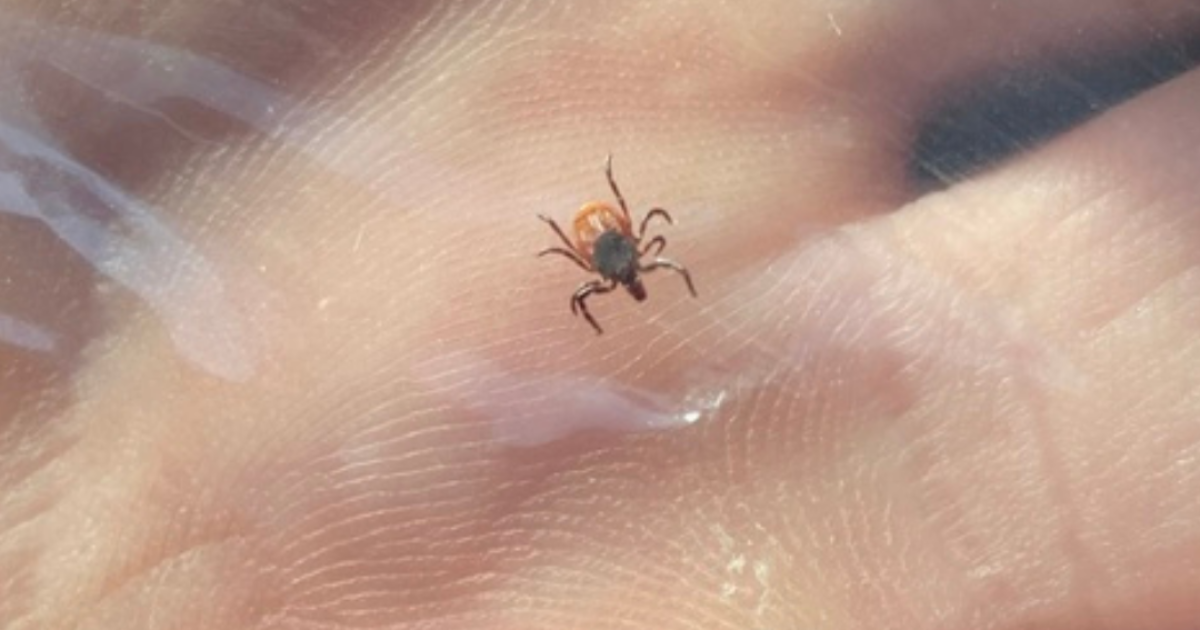
Ticks can carry all sorts of diseases. Lyme disease is the most common and the most serious
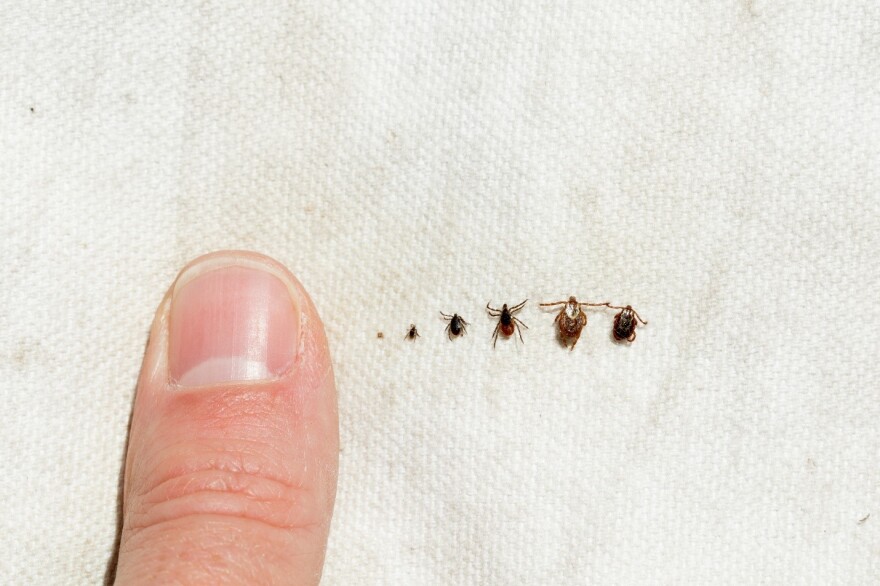
Contributed
/
Minnesota Department of Health
Ticks pick up the diseases they can give to humans in their early life stages when they feed on animals that may carry disease, such as mice
Powassan virus is a relatively new tick-borne illness in Minnesota, and Schiffman said the rare disease is the most serious found in the state
Powassan was first detected here in 2008, and fewer than a dozen cases have been recorded each year since then
Cass and Itasca counties have seen the most cases of Powassan, but the health department said based on findings from its tick surveillance activities, the virus appears to be widely distributed throughout the wooded areas of Minnesota
“A lot of people who get Powassan, we think probably don’t have any symptoms, and they don’t even know they’re sick,” Schiffman said. “So the ones that are getting detected are the people who are really, really sick.”
Powassan causes serious symptoms, including meningitis and encephalitis — swelling of the brain — which can be fatal
Schiffman said Powassan is related to West Nile virus
“We know that with West Nile, the vast majority of people, especially if they’re younger or relatively healthy, are able to just fight off the virus and not even have known any impacts from it.”
Like West Nile and other viruses, Powassan can be trickier to diagnose because by the time symptoms present themselves, the virus has already left the bloodstream
The best way to prevent tick-borne illnesses is to protect yourself from ticks: Tuck in your pants, wear long sleeves and tick repellent and do those tick checks
“Those are really, really important, but they do work,” Schiffman said. “They’re the best tools that we have.”

Local News
New research project aims to map, record Minnesota’s dozen tick species
Chelsey Perkins, Megan Buffington, Larissa Donovan
The tick biodiversity project is driven by citizen scientists’ reports of all tick species. Similar research hasn’t been done since the 1940s.
Tracking tick types
There’s always research underway to learn more about ticks, Schiffman said, to see if the leading theories are correct or if there’s something else at play
For example, mice are an important part of the cycle of Lyme disease, and they’re thought to be a major player in the transmission of Powassan, too

Could lesser-known Niron Magnetics boost manufacturing on the Iron Range?
Charges not expected for Flanders Fire despite having suspect, sheriff says
Ball Club gathers in grief, healing at annual powwow after loss of life


“Given all the similarities, it’s kind of a good starting place that it makes sense,” she said. “But there could be other little mammals involved, like shrews or who knows?”
Minnesota is home to more than a dozen species of tick, many of which feed on certain types of animals, like the squirrel, rabbit or raccoon tick. They mainly stick to their preferred host animal, which is why we hear less about them
“While people are not usually fond of ticks and other parasites, they’re still an important part of a state’s biodiversity,” said Benjamin Cull, a researcher with the University of Minnesota
“They can also have implications for the health of wildlife, and as animal populations change and climate changes, tracking the population of the ticks is also important for how these land and climate changes might affect our wildlife in the future.”
Cull is leading a volunteer-driven study of tick biodiversity, the first of that kind of research in decades
He has worked primarily with vets and wildlife biologists to gather tick reports, which is where they’ve gotten a lot of interesting data
“Previously, there was only a single report of a raccoon tick in Minnesota,” he said. “But working with wildlife biologists, we found that they’re actually quite common on raccoons. But if people haven’t been looking on these wildlife before, then we didn’t really have good records of where they are.”
Cull welcomes reports from anyone who observes ticks, and he said anyone who works with any kinds of animals might be a good participant in the project
To learn more about Cull’s project and how to participate, as well as data about what ticks have been found in your area, visit the project website

Contributed
/
Jerrod Hegwood
Beyond the Voice: Jerrod Hegwood aka Jay Steelwolf
Dan Gannon
Get to know the volunteers behind the mic on KAXE in Beyond the Voice. This week we find out more from KAXE After Dark host and volunteer, Jerrod Hegwood.
Malachy Koons
/
KAXE
Fresh Picks: Post-punk sleaze, Daptone mambo, MN trip-hop, London to Jamaica, Didion-inspired, Beach Boys in space and Ronstadt in ’76.
Kari Hedlund, Malachy Koons, Dan Gannon, Julia Schrenkler
The KAXE Music Team on new music from Yard Act, Orquesta Akokán, The Real Chuck NORAD, Umut Adan & Zebânis, Ezra Collective, Jess Williamson, Panda Bear & Sonic Boom, and Ronstadt in ’76!
Contributed
/
Minnesota Department of Natural Resources
Bright Spot: Lake Bemidji State Park is chock full of nature opportunities
Heidi Holtan, Kari Hedlund
In this “Bright Spot” conversation, we learn about upcoming events at Bemidji State Park and how the park is recovering from 2025’s derecho.
Contributed
/
Steve Patterson via KAXE Season Watch Facebook page
Little leapers: Ducklings need a fall to move forward
Pam Perry, a retired non-game wildlife biologist, stopped by to talk about ducklings, fledgling cardinals and the importance of bird baths.