


South Africa’s weight-loss drug market under scrutiny
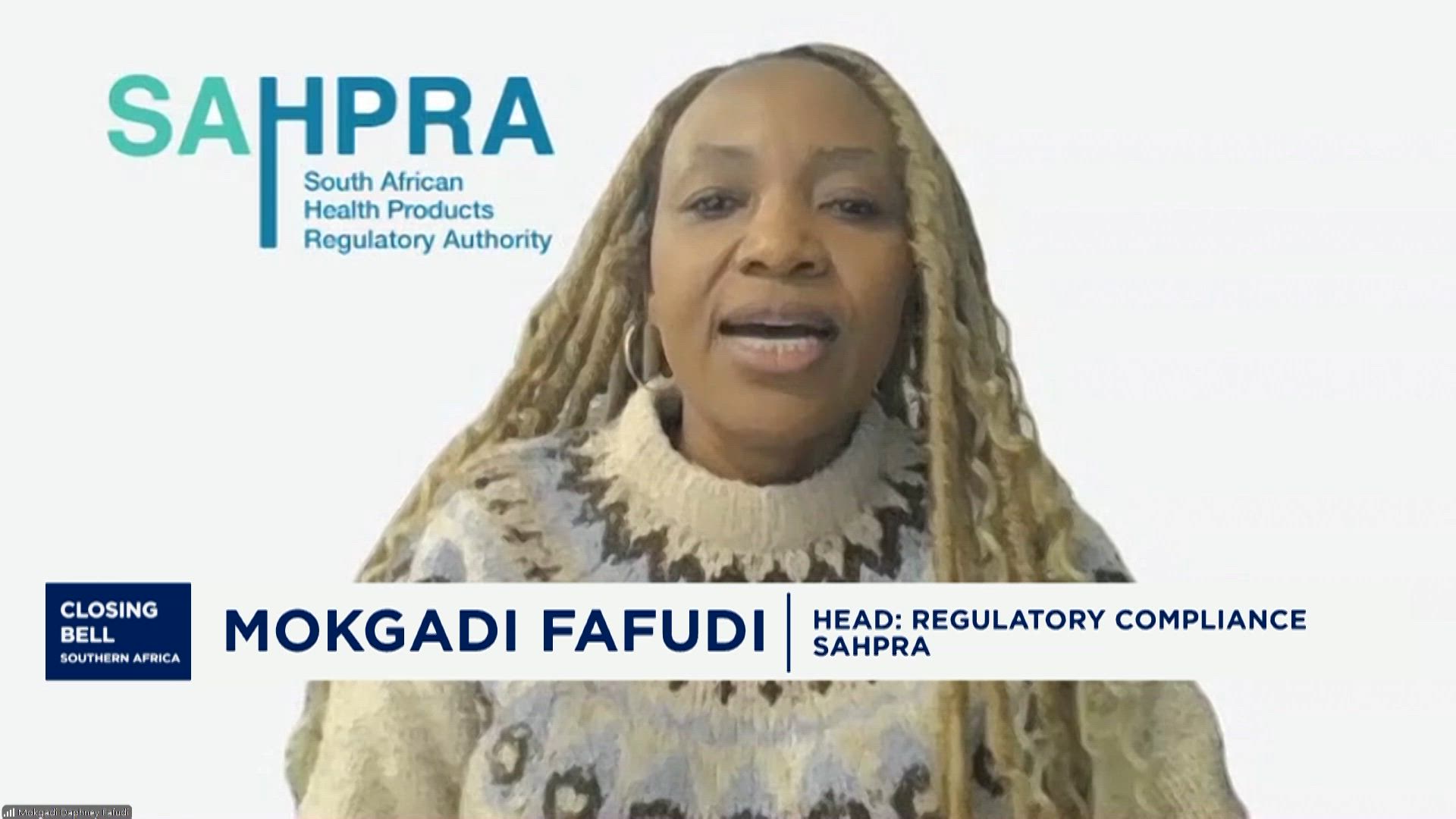
The South African health industry is facing unhealthy activity, as it deals with bad actors. The South African Health Products Regulatory Authority has raised alarm bells, over criminal syndicates, that have invaded the South African market, with illicit medicine that has. Joining CNBC Africa to unpack the latest developments; is Mokgadi Fafudi, Head of Regulatory Compliance at SAHPRA.
Tue, 21 Jul 2026 17:05:38 GMT
Disclaimer: The following content is generated automatically by a GPT AI and may not be accurate. To verify the details, please watch the video
AI Generated Summary
Key Points:
- South Africa’s health regulator says illicit medicine sales are a growing problem and that weight-loss products now lead its investigations.
- SAPRA warned that GLP-1 injectable medicines are being sold through unauthorized channels, including online platforms that are difficult to police.
- The regulator said falsified or unregistered medicines can expose consumers to contamination, overdose, poisoning and higher long-term medical costs.
- Officials are rolling out a national action plan with law enforcement, import permit controls, track-and-trace systems and AI-assisted detection.
Topics
South AfricaSAPRASAHPRAweight-loss drugsGLP-1illicit medicinescounterfeit drugshealthcare regulationonline pharmaciespublic health
- South Africa’s health regulator says illicit sales of medicines are rising, with weight-loss products now leading its investigations and online monitoring alerts.
- The South African Health Products Regulatory Authority said criminal syndicates are exploiting strong demand for GLP-1 weight-loss injections and other <a href="https://healthylife7.com/atour-lifestyle-nasdaqatat-sets-new-1-year-low/” title=”Atour Lifestyle (NASDAQ:ATAT) Sets New 1-Year Low”>lifestyle medicines through unauthorized sales channels.
- The regulator warned that falsified and unregistered medicines could worsen pressure on the healthcare system through poisonings, overdoses, contamination and higher hospital admissions.
- SAPRA said it is rolling out a national action plan with law enforcement, permit controls, track-and-trace tools and AI-assisted detection to curb the trade.
South Africa’s health regulator is warning that illicit medicines are becoming a growing threat, with weight-loss drugs emerging as a leading concern as unauthorized online sales expand and criminal networks move into the market
Mogadi Fafudi, head of regulatory compliance at the South African Health Products Regulatory Authority, said on CNBC Africa that unlawful trade in health products has widened across digital platforms, helped by globalization, economic pressure and strong consumer demand for lifestyle medicines
“The problem is big,” Fafudi said, adding that the authority is trying to raise the alarm before the issue becomes even harder to contain
She said weight-management products, particularly GLP-1 injectable medicines, are currently keeping regulators “very, very busy” because they are being sold through channels that are not authorized to distribute medicines
Those products have overtaken earlier areas of concern such as skin-lightening agents, bleaching products and performance enhancers She said weight-loss products now lead in SAPRA’s investigations, reports received from the public and detections made through active online monitoring and field investigations
The warning highlights how a global boom in demand for obesity and weight-loss treatments is creating new enforcement pressure for regulators, including in African markets where affordability constraints, patchy access to healthcare and the rapid spread of social media commerce can create openings for counterfeiters and unauthorized sellers
Fafudi said criminal actors are leveraging demand from consumers who want to improve how they look, while also exploiting the cost of legitimate medicines that have gone through formal review for quality, safety and efficacy. Patent protection and the cost of bringing regulated products to market can keep official prices elevated, while illicit sellers often pitch cheaper alternatives to financially stretched buyers
She said broader economic conditions, including unemployment and limited access to health facilities in some areas, are also feeding demand for products sold online. Influencers and digital platforms can amplify that demand, she added, even though consumers may have little visibility into where a product came from or what it contains
That raises the health risk sharply, according to the regulator
Fafudi said consumers who buy illicit injections or tablets may not know whether the products are contaminated, substandard, overdosed or outright poisonous. Because these medicines have not been evaluated by the regulator, the conditions under which they were produced and stored are often unknown, as are their actual ingredients
The impact can extend beyond the individual patient, she said. If a person is harmed, they may need additional treatment, time away from work and further medical intervention, all of which can raise costs for households and add pressure to the healthcare system
“It even cost more to handle the effect of what these illicit substances can cause,” Fafudi said
She added that adverse reactions tied to medicines bought online can also be harder to investigate because patients may not be able to identify thet, a licensed healthcare professional can monitor a patient’s response, adjust doses and carry out therapeutic drug monitoring where needed
The regulator’s comments come as demand for weight-loss drugs has accelerated globally, driving intense interest in branded and generic versions of active ingredients used in GLP-1 therapies. Asked whether future generic competition could ease pressure by lowering prices and pulling consumers away from the illicit market, Fafudi said SAPRA does not set medicine prices
She noted that pricing falls under the National Department of Health’s pricing committee, while also saying that greater product availability can challenge prices in the market. She did not comment directly on pending applications, saying her role is in regulatory compliance rather than pre-market authorization
Still, the affordability question remains central to the enforcement challenge. Cheaper illicit products may appear attractive upfront, but regulators argue that any short-term savings can be outweighed by the medical costs of treating complications caused by unsafe or falsified products
To address the problem, SAPRA is preparing a broader public awareness push under its National Action Plan on fighting substandard and falsified medical products
Fafudi said the platform brings together multiple stakeholders across the supply chain, healthcare professions, academia, the media, consumer groups, enforcement authorities and government departments. The aim is to coordinate prevention, detection and response, while improving the flow of information to the public
Awareness is critical because many online sellers are difficult to trace, she said, and products are often delivered directly to consumers’ homes. The regulator wants to increase alerts, public education and reporting channels so people can help identify suspicious products and distribution patterns
The action plan was launched in September last year and is now being operationalized She said SAPRA is working with law enforcement agencies because arrests and prosecutions fall outside the regulator’s direct mandate
To strengthen enforcement, the authority is developing memorandums of understanding with relevant agencies and looking at how to maximize punitive measures against those deliberately harming the public through illicit goods
Fafudi also pointed to tighter import controls as part of the response. South Africa imports a significant share of medicines and health products, and SAPRA is implementing a permit system for importers in addition to licensing, product registration and market authorization requirements
The regulator is also moving to deploy track-and-trace technologies and use artificial intelligence to improve detection and response, she said. Expanded reporting systems are also being developed to make it easier for the public and other stakeholders to flag suspicious activity, helping authorities identify trends and direct enforcement re
The next phase for the regulator will be execution: turning the national plan into visible enforcement outcomes, wider public reporting and tighter controls on the online and import channels that officials say are fueling the rise in illicit weight-loss medicines
ChooseCNBC Africaas your preferred source on Google and never miss a moment from the most trusted name in business news.
Join readers across the continent. It’s free, and you can unsubscribe at any time
By subscribing, you agree to ourTerms of Use and Privacy Policy.
