



Tamara Gane and Yahoo may earn commission from links in this article

If you spend most of the day inside, you’re not alone. According to the United States Environmental Protection Agency (EPA), the average American spends 90% of their time indoors. This lifestyle is affecting our mental and physical health. The side effects ofspending too much time indoors include low Vitamin D levels due to a lack of sunlight, irritated eyes, nose, and throat from artificially dry air, and decreased clarity. And that’s not all. In the American Psychological Association’s latest Stress in America survey, over half of respondents reported feeling stressed, lonely, and isolated.
According toDr. Suzanne Hackenmiller, a physician, certified forest therapy guide, Chief Medical Advisor for AllTrails, and author of The Outdoor Adventurer’s Guide to Forest Bathing,with board certifications in OB-Gyn, integrative medicine, and lifestyle medicine, the remedy might be simpler than you think.
What is forest bathing?
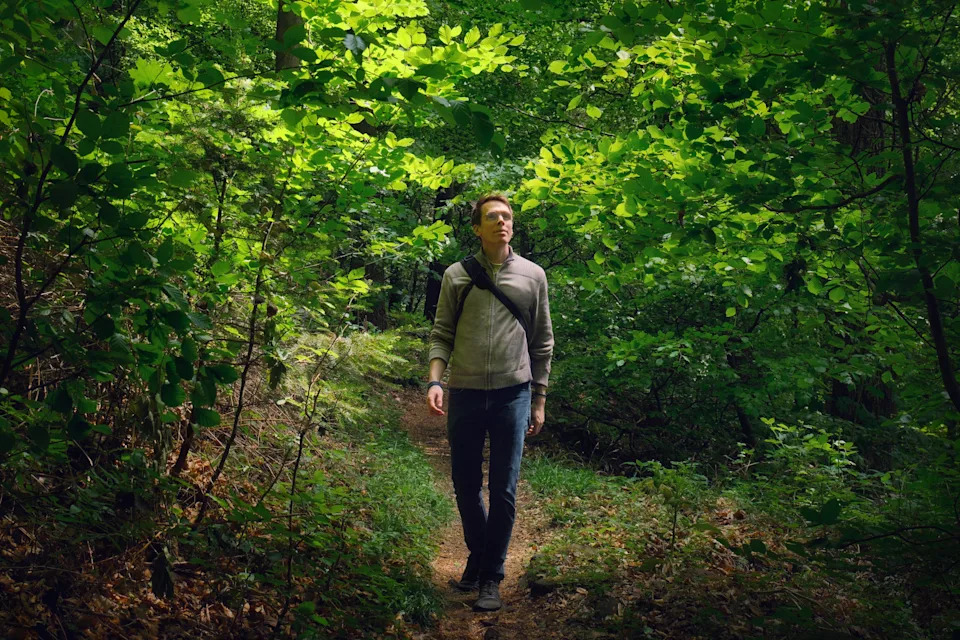
“Forest bathing, or shinrin-yoku, is a Japanese practice that involves immersing yourself in nature through all your senses,” Hackenmiller says. She explains that forest bathing doesn’t involve intense hikes or hardcore workouts, “it is a slow, therapeutic wander through the trees to reset your nervous system, lower stress, and boost your overall well-being.”
Advertisement
People of any age and ability level can practice forest bathing. Hackenmiller says, “If you can sit on a bench or take a slow, gentle stroll, you can practice forest bathing.”
How did forest bathing get started?

In 1982, the term forest bathing was coined by Japan’s Ministry of Agriculture, Forestry, and Fisheries. The movement was a response to a national health crisis of stress-related maladies attributed to modern-day lifestyles, which largely involved spending more time indoors and working with technology.
Certified shinrin-yoku trails were created to encourage Japanese citizens to spend more time outdoors to reduce stress, improve their mood, and boost overall health
How does forest bathing affect wellness?

Hackenmiller states that, “Forest bathing has been shown to physically lower blood pressure, reduce heart rate, and cut down cortisol levels to reduce stress.” She adds that trees release airborne chemicals called phytoncides, “which boost our immune system by increasing the number of disease-fighting white blood cells.”
Advertisement
The benefits aren’t just physical. “Forest bathing has also proven to be a powerful antidote to anxiety and depression, significantly improving mood, focus, and sleep quality,” says Hackmiller.
Just two hours a week makes a difference

Modern life is busier than ever. Fortunately, it doesn’t take much time to practice forest bathing. Hackenmiller is quick to point out that “Research shows that spending at least 2 hours a week in nature is the sweet spot for seeing a significant boost in your health and well-being.”
What if you don’t live near a forest?
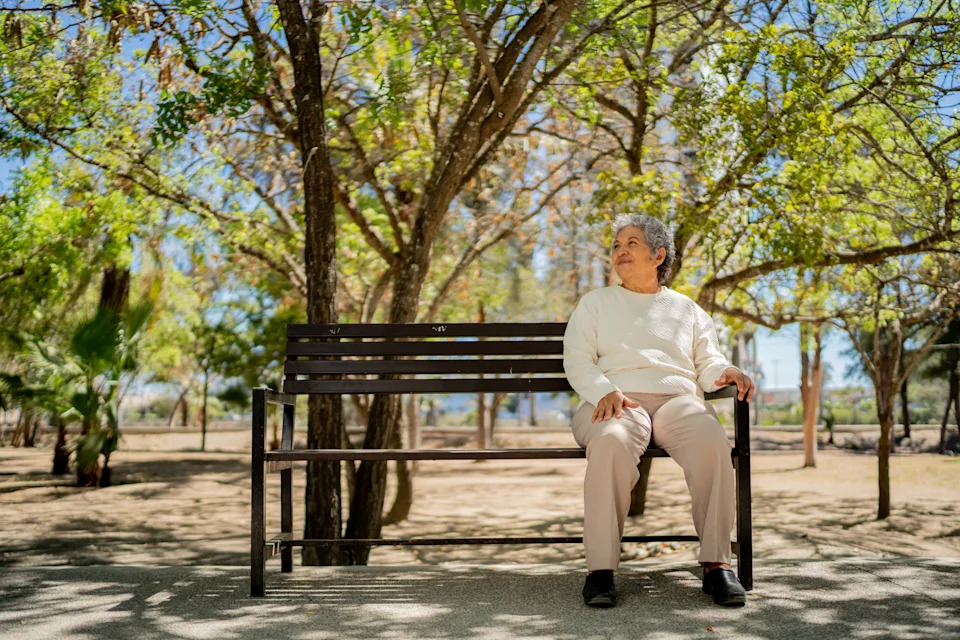
Hackenmiller says that urban dwellers can practice forest bathing, too. “A local city park, a botanical garden, a tree-lined trail, or even a quiet backyard will work. If you are surrounded by greenery and can tune out technology, your body and mind will still get the message.”
How to practice forest bathing
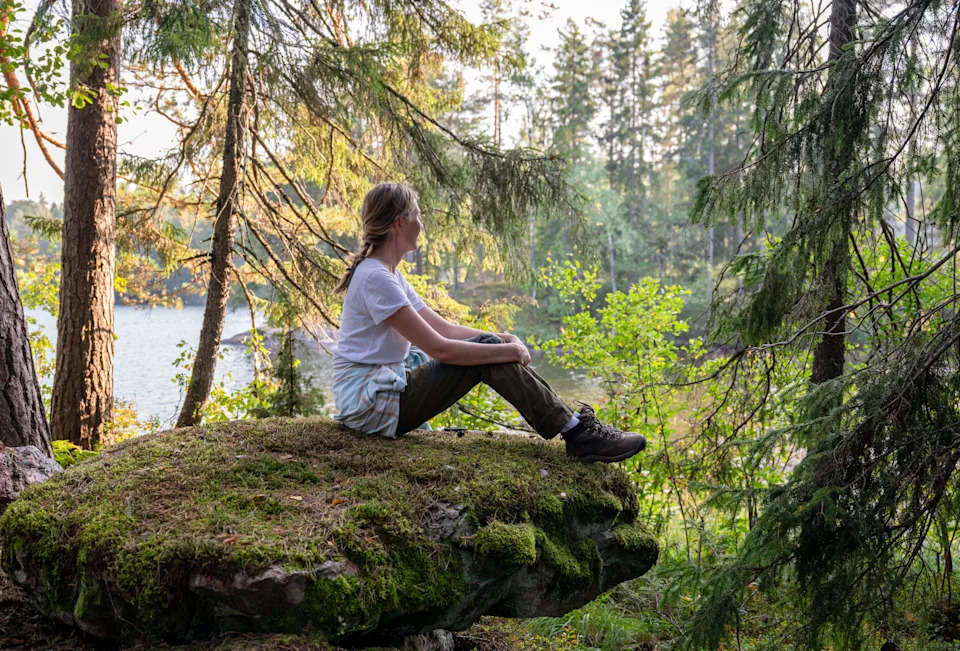
Find a natural space: Seek out a hiking trail, park, or peaceful backyard where you’ll be surrounded by nature.
Disconnect from technology: Put your devices away to eliminate distractions and focus on nature.
Engage your senses: Focus on the beauty of the natural environment. Listen to the rustling of the grass, breathe in the perfume of the leaves, and watch the way the light moves through the trees.
Practice mindfulness: Clear your mind, walk slowly, take deep breaths, and focus on your surroundings.
Make time: Practice forest bathing for at least 2 hours a week to boost your overall health.
Advertisement
Tamara Gane Creator
Tamara Gane is based in Reno/Lake Tahoe. She writes about hotels, national parks, travel gear, and travel destinations for dozens of newspapers and magazines.
Creators are not employed by Yahoo. Views expressed by creators do not reflect the opinions and position of Yahoo.Learn how to become a creator.
