


Mirage News
Mirage News
Mirage NewsScience23 Jul <a href="https://healthylife7.com/2026-ifbb-pro-league-chicago-pro-winners/” title=”2026 IFBB Pro League Chicago Pro Winners”>2026 3:14 am AESTDate Time
King’s College London
Researchers, clinicians, people with lived experience and industry representatives from across the UK, Europe and the United States gathered at King’s College London to strengthen collaboration on rare diseases linked to the mTOR signalling pathway
mTOR pathway diseases are a group of 14 known diseases, all caused by genetic mutations in proteins involved in a specific set of chemical reactions inside cells. Around 10,000 people in the UK are affected by one of these diseases. As the mTOR pathway proteins are inside every cell in the body, symptoms can manifest in many different forms, from epilepsy to immunodeficiency or tumours
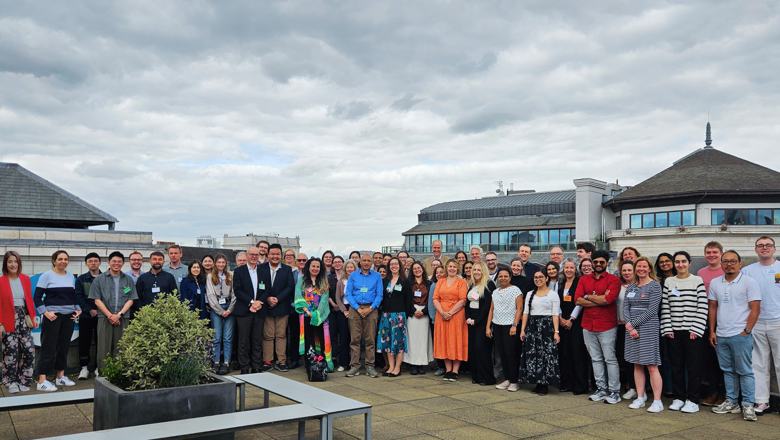
On 5 June 2026, the 2026 mTOR Node Symposium welcomed around 70 delegates for a day of scientific discussion, clinical insight and patient-led perspectives, exploring latest research developments and how closer collaboration can help translate discoveries into better treatments and care for people living with rare mTOR pathway diseases
The event marked the third research meeting of members of the mTOR node, part of an initiative funded by the National Institute of Health and Care Research (NIHR) and the Medical Research Council (MRC) to coordinate and address tractable challenges in rare diseases. The day was structured around a series of talks followed by discussion sessions. Key research themes were discovery science and clinical research and trials
In addition to advancing discovery and clinical research in mTOR pathway diseases, a core part of the mTOR node is its Public-Patient Involvement and Engagement (PPIE) Advisory Panel. Building on two previous PPIE events, one of the key core themes of the 2026 mTOR Node Symposium was patient-centred research. A member of the PPIE Advisory Panel sat in the discussion group for every discussion session
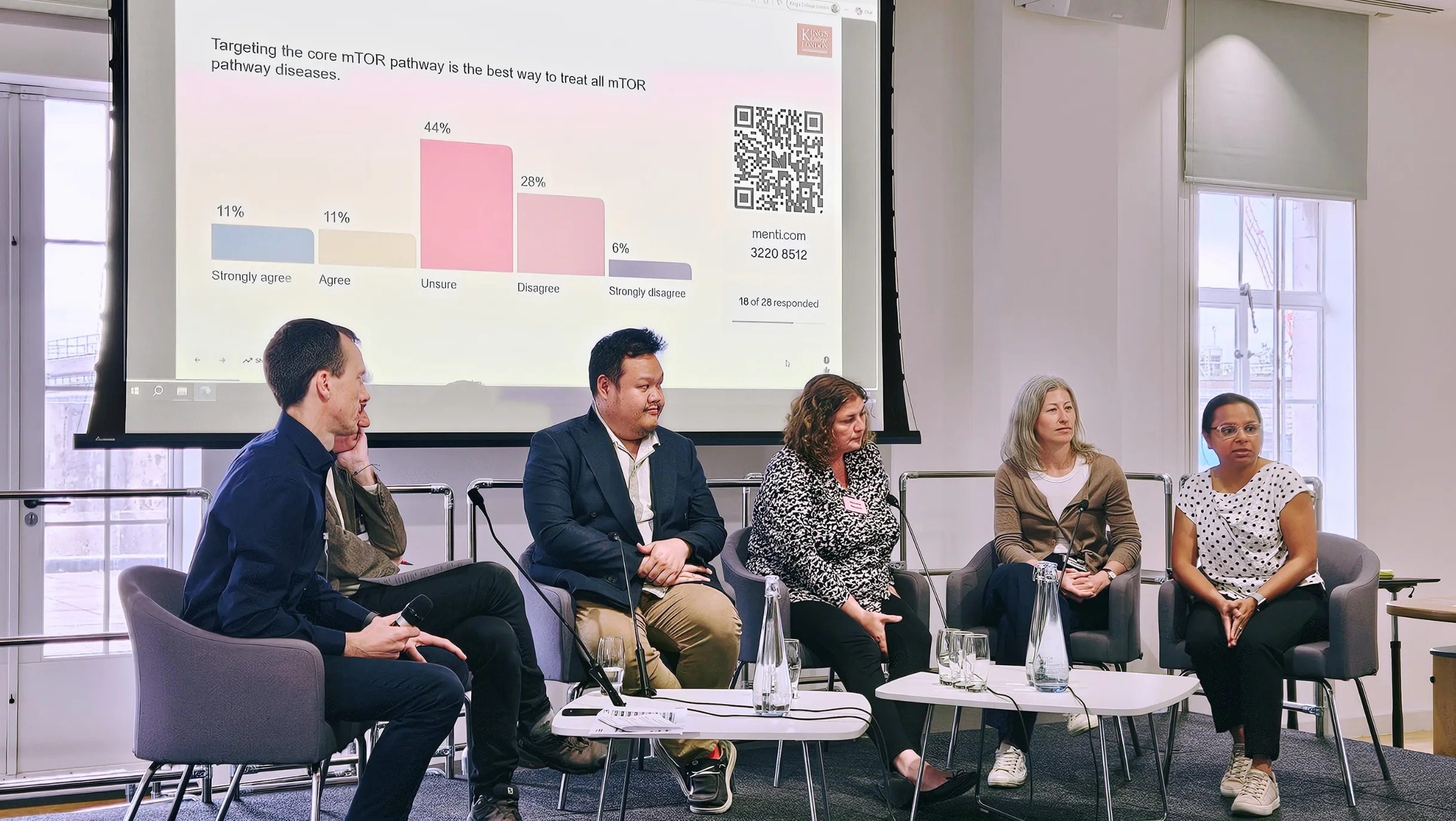
To capture the impact of the discussions, attendees were polled before and after each session on a series of key statements. The results revealed how participants’ views evolved throughout the conversation
The discovery science session showcased a wide range of approaches, including phosphoproteomics, extracellular vesicles as biomarkers, patient-derived assembloids, cellular ageing models and the broader relevance of mTOR signalling across rare and age-related diseases
While there is strong scientific momentum, the community remains cautious about whether current laboratory and neurological models fully capture patient-relevant disease mechanisms. This reinforces the need for better translational models that more closely reflect patient biology and can support therapeutic development
Professor Joseph Bateman, Professor of Molecular Neuroscience and lead investigator on the mTOR node
The clinical research and clinical trials session focused on case-finding, therapeutic development and rare disease trial design. For mTOR pathway diseases, clinical trials can be particularly complex as it can be challenging to recruit enough participants and many people will experience different symptoms
During the clinical session, Melanie Levy, who sits on the PPIE advisory panel, shared her experience living with an mTOR pathway disease. “Some patients will have had multiple cancers. They will have had surgery to remove organs and are screened yearly so as to catch any new cancers early. After a while, this takes its toll.”
“Massive amounts of information are available to patients online, and through AI,” she explained. She continued to detail how patients are taking matters into their own hands when certain drugs are unavailable through either the NHS or private prescriptions and emphasised the need to reduce these risks by enabling access to such drugs under the protection of a clinical trial
The opinion polls taken before and after this discussion session revealed a shift to a consensus that engagement of rare disease patients with regulatory authorities will facilitate set up of rare disease trials
In the final session, researchers and NHS partners shared progress towards developing the world’s first population-based registry for mTOR pathway diseases. The registry is being developed with the National Disease Registration Service, part of NHS England. It aims to bring together routine NHS data, specialist clinic information, prescribing data and other linked datasets to build a clearer picture of these complex conditions. The registry aims to help decrease selection bias, improve inclusivity and reduce inequality in research, clinical trials and care.
“Patient and family perspectives emphasised that registries should not only support research and trials, but also help families feel less isolated and better connected to services, information and opportunities,” commented Professor Deb Pal, Professor of Paediatric Epilepsy, and part of the mTOR node
/Public Release. This material from the originating organization/author(s) might be of the point-in-time nature, and edited for clarity, style and length. Mirage.News does not take institutional positions or sides, and all views, positions, and conclusions expressed herein are solely those of the author(s).View in full here.
