



Blockbuster weight-loss drugs are being linked to a rare but upsetting side effect that’s showing up in the shower drain
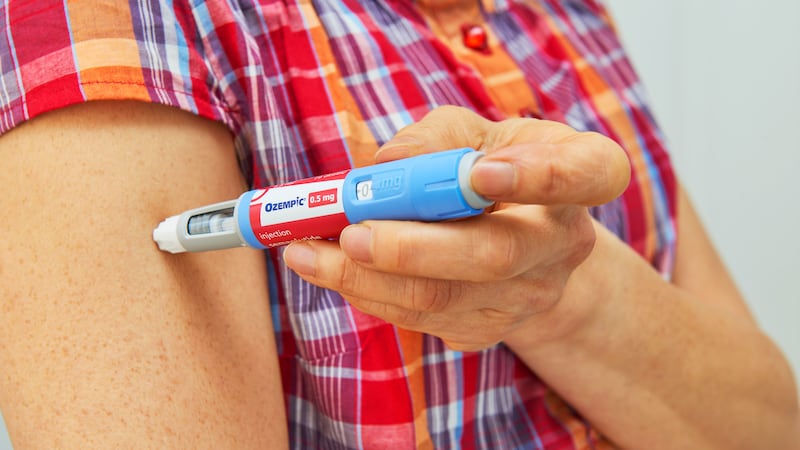
As the popularity of GLP-1 medications for type 2 diabetes and obesity continues to skyrocket, patients and doctors report a growing list of side effects. Some are common, such as vomiting, bloating, cramping, and loose skin, colloquially known as “Ozempic face.” Others are rare, including “Ozempic feet,” mood changes, and even scurvy
Still, even with all the potential side effects, more people than ever are being prescribed semaglutide and tirzepatide. But new research on a rare yet devastating side effect may deter some prospective GLP-1 seekers: hair loss
A study by researchers at the University of Pennsylvania found that people taking GLP-1 medications such as Ozempic, Wegovy, and Mounjaro faced a higher risk of developing alopecia than patients taking two other classes of diabetes drugs

JUST EAR ME OUT
Ozempic Users Say This Tiny Side Effect Drives Them Nuts
The study, published Wednesday in The BMJ, a globally respected peer-reviewed British medical journal, followed patients for an average of 2.7 years and found that the increased risk was concentrated in non-scarring alopecia—a type of hair loss that does not permanently destroy the follicles
Get a First Look
Sign up to receive news and updates from The Looker
By clicking “Sign Up” you agree to ourTerms of UseandPrivacy Policy.
After at least two years of treatment, GLP-1 users had a 37 percent higher chance of developing alopecia than patients taking SGLT-2 drugs and 68 percent higher odds than those taking DPP-4 drugs, both of which are also used to treat type 2 diabetes
The actual risk, however, remained low
Researchers recorded approximately three to nine cases of alopecia for every 1,000 patients each year. That translates to roughly seven GLP-1 users developing hair loss, compared with five SGLT-2 users and four DPP-4 users annually
The findings may sound familiar to those who follow news about GLP-1s
Comedian and influencer Claudia Oshry revealed in 2024 that her hair began “shedding” after she lost 70 pounds while taking Ozempic

“It didn’t thin, but it started SHEDDING—which is literally worse,” the 31-year-old said during an Instagram Q&A. She added that it took six to nine months for her hair to “get back to normal.”
Buying Beverly Hills star Sophia Umansky, the 26-year-old daughter of The Real Housewives of Beverly Hills star Kyle Richards, also documented “dramatic” hair loss after taking Mounjaro
DANGEROUS DOSE
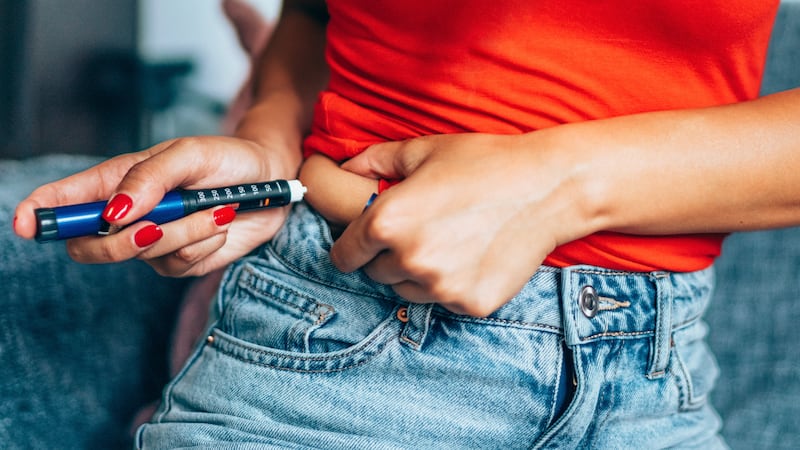
Doctors Sound the Alarm on Rising GLP-1 Overdoses
Tamilore Oshikanlu
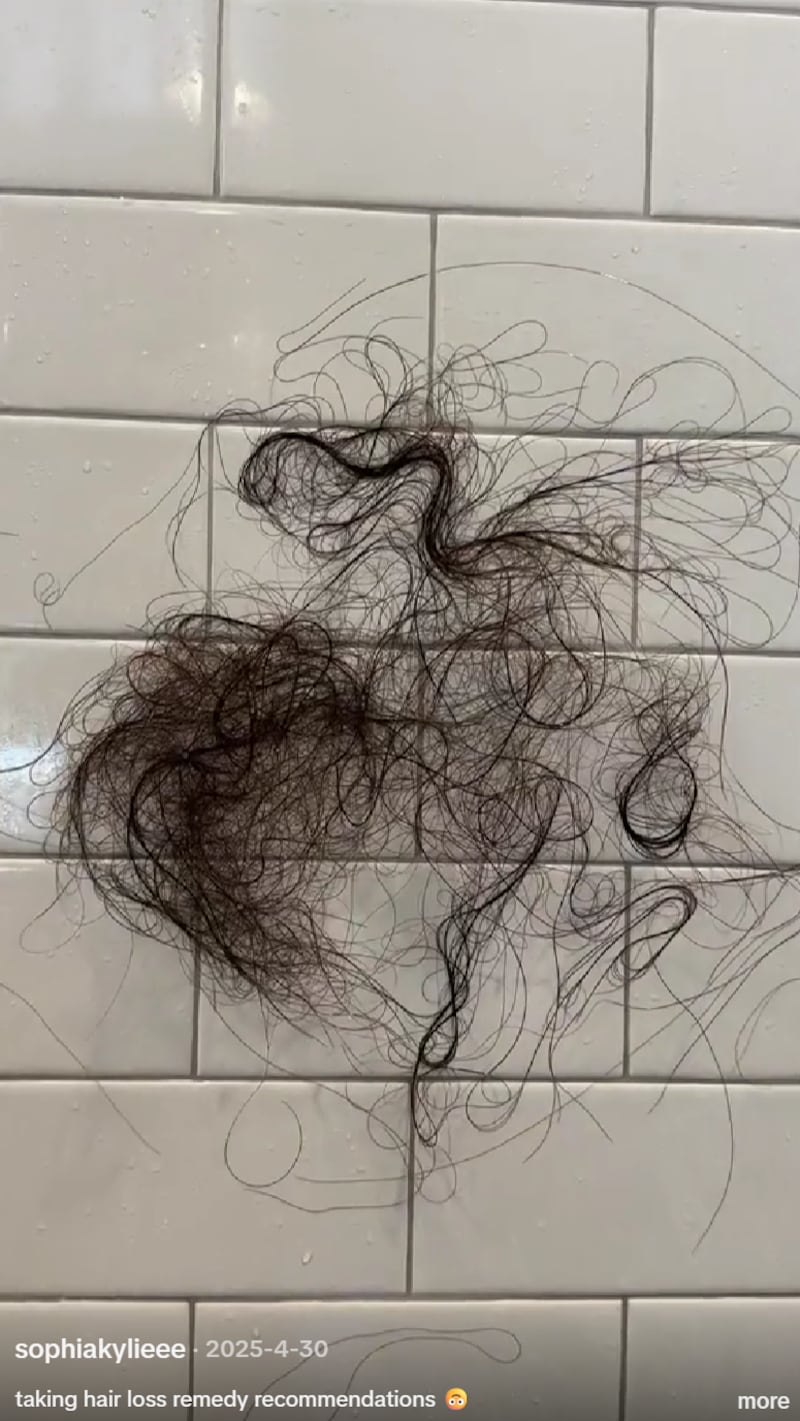
In an April 2025 TikTok, Umansky showed viewers the clumps of hair she had collected in her bathroom and joked that she would be “bald” within a week
Umansky did not blame Mounjaro itself. She suspected that rapid weight loss and not consuming enough protein and vitamins had triggered the shedding
Scientists are still trying to determine why some GLP-1 users lose hair
According to the study’s researchers, rapid weight loss can disrupt the hair’s normal growth cycle and trigger telogen effluvium, a common and generally temporary form of shedding
Changes in eating habits may also leave patients deficient in nutrients such as iron and zinc, which can further interfere with hair growth, according to the National Library of Medicine
The medical records did not show how severe the patients’ hair loss was, how long it lasted, or whether their hair eventually grew back

Play Video
Other research suggests that weight loss alone may not fully explain the shedding
A study published in the Journal of the American Academy of Dermatology compared more than 1 million GLP-1 users with patients taking metformin, a common diabetes drug that is not associated with the same dramatic weight loss
The researchers found increased risk of several forms of alopecia among those taking GLP-1 medications
IF THE SHOE FITS
GLP-1 Users Say Bizarre Side Effect Is Hard to Ignore
Tamilore Oshikanlu
Another study compared 11,046 tirzepatide users with the same number of semaglutide users. Hair loss was recorded in 4.24 percent of patients taking tirzepatide—the ingredient in Mounjaro and Zepbound—compared with 3.33 percent taking semaglutide, which is sold as Ozempic and Wegovy
Researchers emphasized that hair loss rarely causes physical harm but can still take an emotional toll, the degree of which is highly personal
“Hair loss is a patient-valued outcome,” lead researcher Yong Chen wrote, adding that it can affect “self-esteem, quality of life, and adherence to treatment.”
For many, the benefits vastly outweigh the drawbacks, but researchers said the findings should help patients understand the potential trade-offs before starting—or deciding whether to continue—the highly popular medication
Unlock a year of full access to The Looker and The Daily Beast for $35
Recommended
AnnualSave 47%
$35Year One
then $59.99yearly
- Discounted annual rate
- Access to all articles (web + app)
- Ad-free exclusive newsletters
- Commenting Access
- Daily crossword
- Sneak peek of launches & events
Monthly
$1Welcome Offer
then $5.99monthly
- Access to all articles (web + app)
- Ad-free exclusive newsletters
- Commenting Access
- Daily crossword
- Sneak peek of launches & events
Ad-Free
$99Year One
then $119.99yearly
- Premium ad-free reading
- Access to all articles (web + app)
- Ad-free exclusive newsletters
- Commenting Access
- Daily crossword
- Sneak peek of launches & events
Looks like you already have a subscription!
You’re all set!
Thanks for subscribing
Subscription$
Total$
or continue with
Register below to read this article for free or subscribe to unlock unlimited access to The Looker and The Daily Beast
Sign in
Login dialog
