


Nutrients in our food are declining. Can regenerative agriculture save it?
Approach focuses on rebuilding soil <a href="https://healthylife7.com/why-health-starts-with-self/” title=”Why health starts with self”>health, increasing biodiversity and restoring natural ecosystems
For the last few decades, the nutrient content of our crops has been declining. In the late 90s, the US Department of Agriculture found the vitamin C content of lemons had decreased by almost a third over the previous 22 years. Calcium in carrots, an importantmore than a quarter. Vitamin A in bananas was down by 57%. The mineral content of wheat has declined by between 20-30% since the 1960s
A number of reasons have been suggested for this worrying decline, ranging from new varieties of crop that are bred to grow quicker and bigger to the higher carbon dioxide levels in the air causing plants to produce more sugars and starches (they grow faster but they produce fewer nutrients). A wide range of fixes have been suggested, from GM crops to synthetic soil amendments, or underground farms
One group of agricultural researchers, however, argues that the answer to declining nutrients may be more straightforward than that: regenerative agriculture. This “focuses on building organic matter and ecosystems in the soil”, says Francesca Brkic. “The question is, does that therefore deliver more nutrition?”
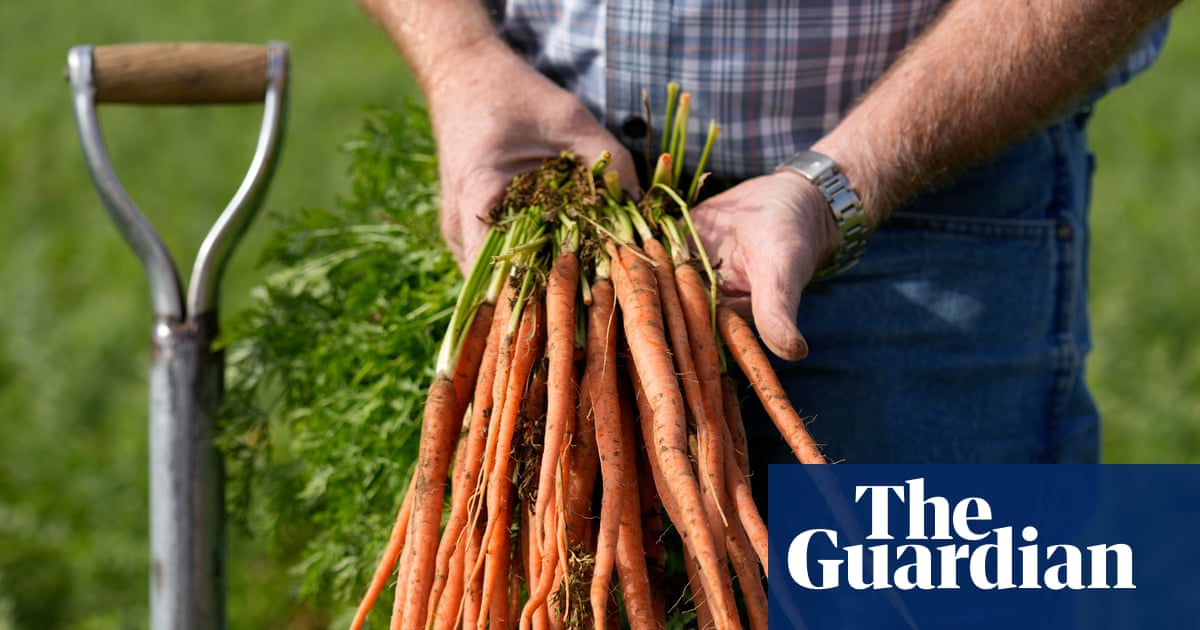
Her work, in conjunction with the University of Lincoln, explores how regenerative agriculture affects nutrient density. The researchers sampled a number of products and found that iron in kale could be up to 22 times higher in samples from regenerative farms compared with conventional ones, while selenium (an antioxidant) in dried peas was eight times higher and folate (good for red blood cells) in carrots was up to 20,000 times greater
Brkic says: “Organic had to be our minimum baseline, because regen doesn’t have a certifiable standard. But while organic as a concept focuses on not doing harmful things, it doesn’t specify that you are doing positive things.” Regenerative farms, in this case, were defined by those using cover crops and grazing animals, while abstaining from ploughing the land and using insecticides or other pesticides
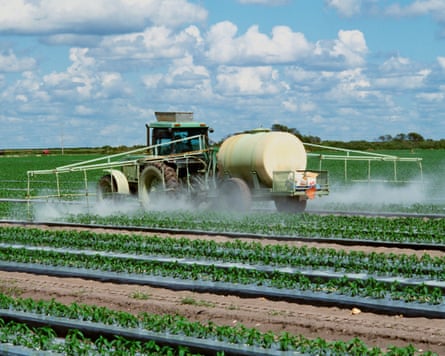
The way soil is treated by modern farming may be part of the problem. Ploughing and heavy use of chemicals – fertilisers, herbicides and pesticides – disturb and even destroy the soil’s mycorrhizal networks, which we are only just coming to understand but allow plants to pull in nutrients from the earth
Dr David Montgomery, a US geologist and the co-author of the book What Your Food Ate,says we need regenerative agriculture to right the wrongs of the “degenerative” farming that helped sustain a postwar population boom but wrecked soil health in the process
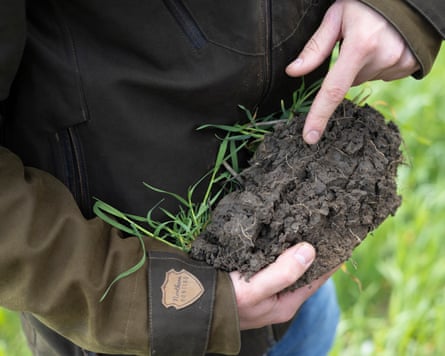
“It was the microbial truckers and miners in our soils that got put off the job by conventional agriculture,” he says. “Regenerative practices that treat soil as an ecosystem can return those miners and truckers to the job.” Montgomery and his wife, Anne Biklé, a biologist, undertook a study in 2022, albeit on a much smaller scale, noting some correlation between regenerative agriculture and higher nutrient density in food crops in the US
Other studies support these findings. A large literature review by Newcastle University in 2015, for example, found that a switch to eating organic fruit, vegetable and cereals – and food made from them – would provide additional antioxidants equivalent to eating between one to two extra portions of fruit and vegetables a day. The Bionutrient Institute multi-year study framework tested thousands of samples and found that the strongest positive correlation for high nutritional value was the biological activity and overall health of the soil.
But other research has not reached similar conclusions. Reviews by the UK and French food standard agencies found some differences, but concluded that they were small. A large-scale review by Stanford University also found that although some organic foods did contain higher levels of minerals and nutrients, with phosphorus in particular higher across the board, the results were still highly variable and in some cases insignificant
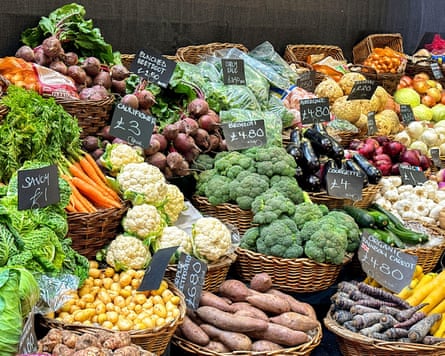
Regenerative agriculture has plenty of critics. It is much less reliant on mechanisation and agrochemicals and can require more human labour (therefore is often considered less cost-effective). It is also susceptible to greenwashing (increasingly prevalent, as studies have shown) and, in the context of nutrition, medical professionals say they already have enough of a challenge getting their patients to eat enough fruit and veg without the extra cost
One sceptic, the physician Dr Naheed Ali, notes the phenomenon of “dietary displacement”, wherein an individual perceives a food to have more nutritional value than it actually has because of its sustainable or regenerative claims, and as a result, may eat much less of it. “This belief,” Ali says, “can lead to inadequate intake of important macronutrients and micronutrients. In my practice, I see examples of this type of thinking frequently.”
On top of that, some soil scientists, such as ProfKen Giller and his colleagues, think it is “unlikely” that regenerative agriculture can be implemented in a way that reliably feeds the world’s 8.3 billion people and counting while reaping environmental benefits
Montgomery disagrees. “I’m confident regenerative can scale [up] because it’s not dependent on particular practices or equipment. What it’s dependent on is a particular philosophy – the idea we build soil health as the north star of agriculture,” he says
Perhaps that is the central lesson from this research; there is potentially some glorious gold to be found in farming practices that improve soil health, both for biodiversity and for nutrition
How can we integrate that into the way food systems, and society at large, already operate? “Just imagine what we could do,” says Brkic, “if we made a few tweaks to our soil and agriculture practices and the impact that that would have on us.”
Explore more on these topicsShare
Reuse this content
