


Feinsinger column: Exercise for optimal health
Dr. Greg FeinsingerDoctor’s Tip
Exercise is the last of Dr. Greger’s Daily Dozen, described in the 2026 edition of his book, “How Not to Die.” The first 10 were things we should eat every day, and last week’s column was about what beverages we should drink every day. Today’s column is about something we should do every day: exercise
Some of the health benefits of exercise include:
Cancer: Exercise lowers the risk of at least 13 cancers, including breast, colon, bladder and lung cancers. One of the mechanisms is that it regulates estrogen and insulin, high levels of which promote cancer cell growth. Exercise is one of the key components of Dr. Dean Ornish’s program that reverses early prostate cancer
Cardiovascular disease: Humans evolved to move frequently, which results in healthy endothelium, the organ that lines our arteries. Regular exercise lowers the risk of heart attacks and strokes. Dr. Ornish’s program that reverses heart disease includes regular exercise
Dementia: Many studies show that people who exercise are less likely to develop dementia. Last year, Dr. Ornish proved that early Alzheimer’s disease can be reversed with a healthy diet, stress reduction and exercise
Mental health: Exercise releases endorphins, natural feel-good hormones. It improves mood, energy and cognition; increases self-esteem, confidence and body image; and decreases anxiety and stress
Body weight: Regular exercise helps people achieve and maintain an ideal body weight, although what you eat and do not eat are most important for weight control. Compared with 1970, American adults are now “eating an extra Big Mac’s worth of calories” every day. To exercise that off, they would “need to walk an extra two hours a day, every day of the week.”
Immunity: Exercise in moderation improves immunity, although overtraining hampers it
Inflammation: Inflammation is at the root of most chronic diseases Americans suffer and die from, and moderate exercise is anti-inflammatory. However, excessive exercise, such as running marathons or ultramarathons, causes inflammation
Blood pressure: Although blood pressure increases during exercise, regular exercise prevents and can reverse hypertension
Muscle and bone strength: Regular exercise keeps muscles strong, preventing sarcopenia, or the loss of muscle and strength with aging. Weight-bearing exercise keeps bones strong
Blood sugar control: Exercise helps prevent, treat and reverse prediabetes and type 2 diabetes
Sleep: Seven to nine hours of good sleep are necessary for good health, and exercise helps people fall asleep and stay asleep
Chronic pain: Exercise helps reduce chronic pain, including back pain, in part because of endorphins
Joint health: Exercise helps maintain joint health and range of motion
Life span: People who exercise regularly live longer
How much is enough: According to Dr. Greger, the optimal amount of exercise is 90 minutes of moderate-intensity activity or 40 minutes of vigorous activity daily
Examples of moderate exercise include brisk walking on level ground, fast enough that you can talk but not sing; light snow shoveling; bicycling on level ground; downhill skiing; hiking; housework; and yoga
Examples of vigorous activities include bicycling uphill, circuit weight training, cross-country skiing, running, swimming laps and walking briskly uphill
Interval training once or twice a week adds additional benefits. This means pushing yourself hard enough to increase your heart and respiratory rates for three to four minutes, repeating the interval three times with a brief recovery period between each one
People 40 and older begin losing strength unless they do strength training for 20 minutes two or three times a week. That exercise counts as part of their aerobic exercise
Important caveats:
- Many people do not have time to engage in the ideal amount of exercise every day, but even 10 minutes of walking three times a day is beneficial.
- Prolonged periods of watching television or sitting at a desk undo the benefits of exercise. Take short breaks to move about every 30 minutes or use a standing desk.
- If you have known heart disease or multiple risk factors, check with your primary care provider before beginning an exercise program other than easy walking.
- If you have chest pain or unusual shortness of breath while exercising, stop immediately and go to the emergency room.
- Especially if you are older than 40, it is dangerous to be a “weekend warrior,” meaning a couch potato all week who then exercises vigorously on the weekend.
- Do not engage in vigorous exercise within two hours after eating, while your heart is pumping blood to your digestive system.
- Antioxidant supplements do not help with the oxidative stress and inflammation associated with excessive exercise, but eating foods high in antioxidants, such as fruits and vegetables, does.
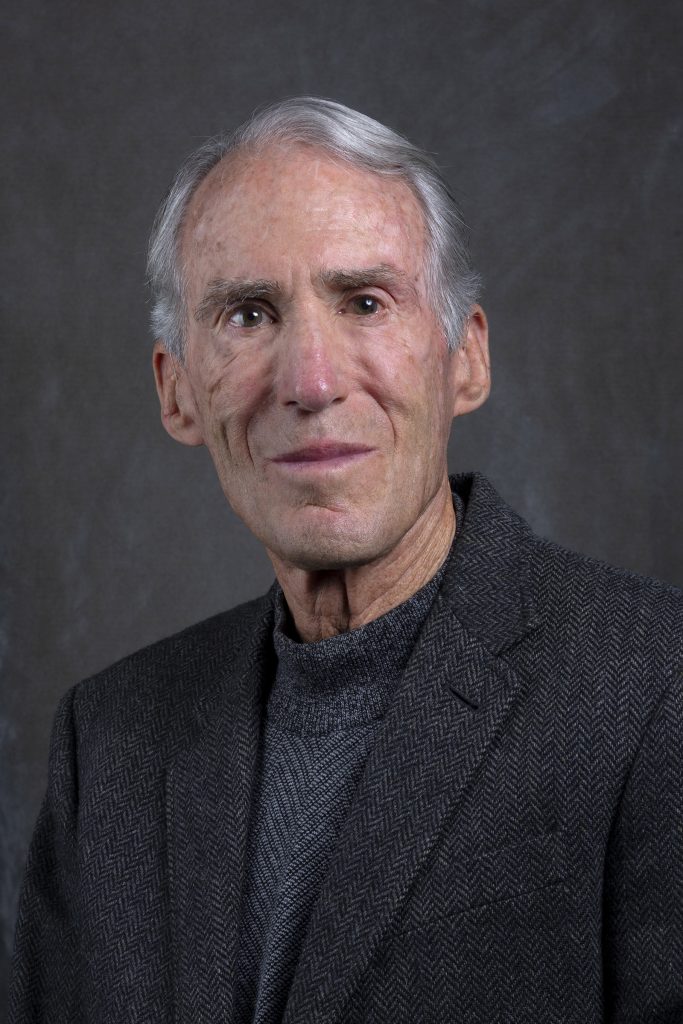
Dr. Greg Feinsinger is a retired family physician with a special interest in prevention, treatment, and reversal of chronic disease through nutrition. He is available for free nutritional counseling and shop-with-a-doc grocery store tours. He can be contacted at 970-379-5718 or gfmd41@gmail.com
Feinsinger column: Exercise for optimal health
Jul 24, 2026

Voces Unidas column: These times require more courage from state lawmakers
Jul 21, 2026

Bruell column: The many can defeat the money
Jul 17, 2026

Coach V’s Corner: Dicky V’s Run
Jul 17, 2026
Feinsinger column: Beverages we should drink every day
Jul 17, 2026
See more

Gunfire prompts shelter-in-place alert in New Castle
Jul 22, 2026

Left lanes reopen in both directions on I-70 between Silt and New Castle
Jul 20, 2026

Wildfire breaks out on Eagle County border near Cottonwood Pass
Jul 22, 2026
Hotel Colorado dinner brings Theodore Roosevelt era to life
Jul 22, 2026

The U.S. Forest Service has Stage 3 fire restrictions, but they’ve only been used once in Colorado
Jul 22, 2026
See more

Support Local Journalism
Support Local Journalism
Readers around Glenwood Springs and Garfield County make the Post Independent’s work possible. Your financial contribution supports our efforts to deliver quality, locally relevant journalism
Now more than ever, your support is critical to help us keep our community informed about the evolving coronavirus pandemic and the impact it is having locally. Every contribution, however large or small, will make a difference
Each donation will be used exclusively for the development and creation of increased news coverage
