


Add Us On GoogleAdd as a preferred source on Google
La. (KNOE) – From shell eggs to iceberg lettuce and fruit puree pouches, food recalls have made headlines across the country this summer. The growing list has some consumers questioning whether healthy foods are becoming less safe to eat. Health experts say the reality is more complicated
In July alone, federal regulators announced several high-profile recalls, including nearly 1.6 million dozen shell eggs because of potential salmonella contamination, certain fruit puree pouches over packaging concerns, and iceberg lettuce products linked to an ongoing Cyclospora investigation. Some recalled products were distributed in Louisiana
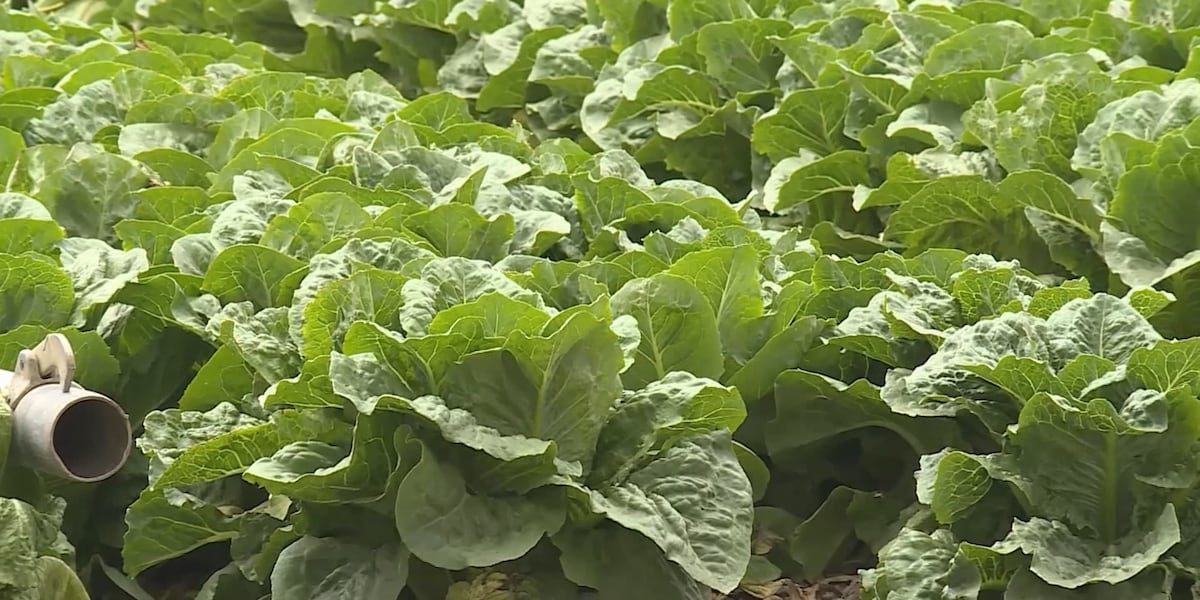
The lettuce recall has drawn particular attention as health officials investigate a surge in Cyclospora infections. The FDA and CDC say Taylor Farms voluntarily recalled iceberg lettucetbreak. Louisiana was among the states that received recalled products
The concern is especially relevant in Louisiana, where health officials say Cyclospora cases are rising. State health data show Louisiana has reported 79 cases this year, far above the average during the same period in recent years
But does a recall mean a food is unhealthy?
Local nutritionist Jen Avis said that is one of the biggest misconceptions consumers have
“A recall doesn’t automatically mean a food is unhealthy,” Avis said
Fresh fruits and vegetables can face greater food safety challenges because they are often eaten raw. Unlike highly processed foods, produce can be exposed to soil, irrigation water, animals, workers, transportation systems and multiple handling points before it reaches grocery store shelves. Each step creates another opportunity for contamination
Recent recalls may also be changing how Americans shop
A survey cited by GLP-1 News found 60% of adults avoid an entire category of healthy foods after hearing about a recall. For some consumers, headlines about contamination create anxiety that extends far beyond the product being recalled
Avis said she worries that fear can push people away from nutrient-dense foods and toward heavily processed alternatives
“Yes, everybody eats a Little Debbie every now and then, but no, it’s not a better alternative,” she said
Instead of avoiding produce altogether, Avis encouraged consumers to watch for recall notices, wash produce thoroughly and prepare more meals at home when possible
Public health experts say food recalls can also be viewed as evidence that food safety systems are working. Recalls are meant to identify potential contamination and remove products from stores before more people get sick
While foodborne illness outbreaks can be serious, nutrition experts say the larger long-term health challenge for many Americans remains diets high in ultra-processed foods, added sugars, sodium and saturated fat
“There is more detriment to a person’s health from eating refined foods, high in sugar and refined carbohydrates, than following a healthy diet and occasionally having a recall,” Avis said
Health officials recommend consumers stay informed about recalls through the FDA and CDC, discard affected products when recalls are announced and continue incorporating fruits and vegetables into a balanced diet. Experts say recall headlines should serve as a reminder to practice food safety, not a reason to stop eating healthy foods altogether
Copyright 2026 KNOE. All rights reserved
