


Paying someone else to stretch you sounds a little ridiculous
At least, that was my first thought
Between long flights, hours at a laptop and regular strength-training sessions, I’m almost always tight somewhere. For years, my default solution was a deep-tissue massage. I still love massage, but the relief often felt temporary
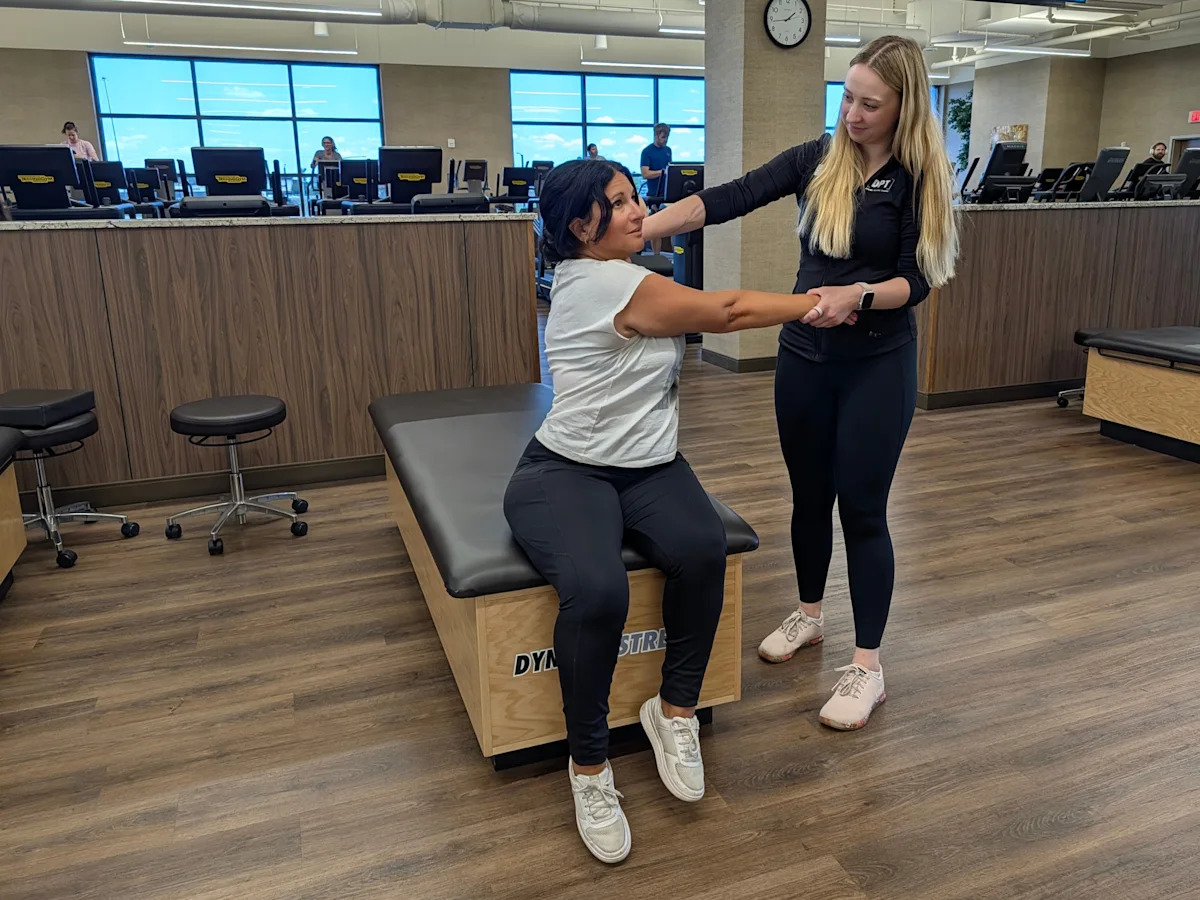
Then I started one-on-one assisted stretching at the gym I belong to, Life Time Denver West
Advertisement
I went in expecting another nice recovery add-on. Instead, after several months of sessions, I found myself booking stretches instead of massages because, for me, the benefits seemed to last longer
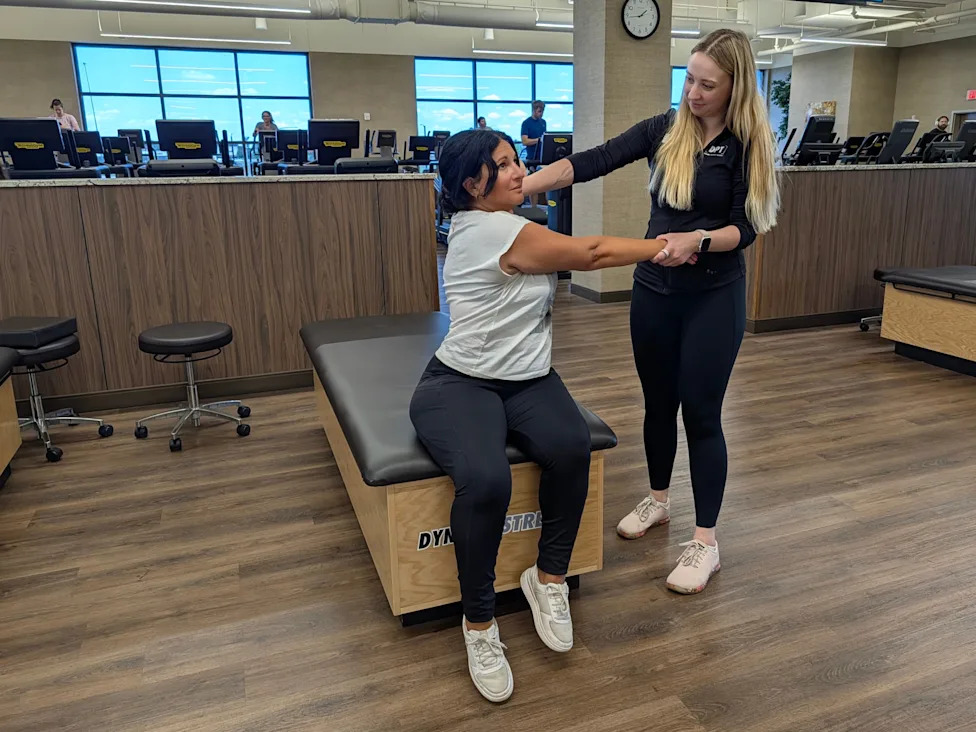
The sessions didn’t feel like yoga, massage or the quick hamstring stretches I tack onto the end of a workout. A specialist guided my body through controlled positions, stabilized the joints that weren’t supposed to move and adjusted every stretch based on what she felt and what I told her
Assisted stretching is now offered at dedicated studios, gyms, physical therapy practices and some massage businesses. But does it actually work—and is paying someone to stretch you worth it?
What is assisted stretching, exactly?
Assisted stretching is an umbrella term for stretching in which an outside force helps move or hold the body in a position
Advertisement
That force can be a strap or another prop, but during a professional session it is usually a trained practitioner
It is generally considered a form of passive stretching because the client can relax while someone else guides the movement. Some practitioners also use proprioceptive neuromuscular facilitation, or PNF, which alternates a stretch with a brief muscle contraction before moving farther into the stretch
The terminology can be confusing. Life Time calls its service Dynamic Stretch, but the broader service is commonly called assisted stretching, partner-assisted stretching or stretch therapy
What a stretch specialist adds
The biggest difference between stretching alone and working with a professional is not necessarily how far someone can push your leg
Advertisement
It is the ability to position the body precisely, stabilize one area while moving another and respond to your range of motion in real time
“Instead of guessing what your body needs, we assess limitations, stabilize key areas and apply targeted stretches with the right intensity,” says Alyssa Loose, a lead stretch specialist and personal trainer at Life Time Denver West
Loose has a background in kinesiology and corrective exercise and has worked in assisted stretching for about four years
“You’re also able to fully relax while we guide the movement, which allows for deeper, more effective range-of-motion gains,” she says. “It becomes less about ‘stretching more’ and more about stretching correctly.”
That was the part I could not replicate on my own
Advertisement
When I stretch myself, I am also holding myself up, deciding when to stop and often shifting away from the uncomfortable spot without realizing it
On the table, I could focus on breathing and give immediate feedback while the specialist handled the positioning
A session should still be collaborative. Cleveland Clinic advises maintaining an ongoing conversation with the person assisting you and progressing only slightly deeper, rather than forcing a joint or muscle through resistance
Assisted stretching vs. massage: Why it felt different
Massage and assisted stretching can both feel restorative, but they do not do the same thing
Massage primarily involves manipulating soft tissue. Assisted stretching focuses more directly on moving muscles and joints through a controlled range of motion
Advertisement
In practical terms, massage made me feel less tense, while assisted stretching made certain movements feel easier
“They’re both beneficial, but they serve different purposes,” Loose says. “Massage is great for relieving tension, improving circulation and helping the body relax.”
“Assisted stretching, on the other hand, is more focused on improving mobility, flexibility and joint range of motion,” she says
My own response surprised me. I had assumed a hard deep-tissue massage would produce the more noticeable result
Instead, the benefit I noticed from assisted stretching carried into the days that followed, particularly as I moved through workouts, travel and daily life
Advertisement
That does not mean assisted stretching is proven to last longer than massage for everyone
Research on sports massage suggests it may produce small improvements in flexibility and delayed-onset muscle soreness, although it has not consistently improved athletic performance
Direct research comparing massage with the one-on-one assisted-stretch sessions offered by gyms and studios remains limited
The two now occupy different places in my recovery routine. Massage is still the choice when I want hands-on muscle work and relaxation
Assisted stretching is the choice when I want to address how my body is moving
Does assisted stretching actually work?
The most defensible benefit is improved flexibility and joint range of motion
Advertisement
A systematic review and meta-analysis published in theJournal of Sport and Health Science found that stretch training performed regularly for at least two weeks can increase joint range of motion
Long-term static and PNF stretching produced larger gains than dynamic or ballistic stretching in the studies reviewed
A 2025 systematic review found that long-term improvements in range of motion were associated with greater stretch tolerance and reduced muscle-tendon stiffness
Put simply, the body may gradually become more comfortable moving near the end of its existing range
“When something feels stiff, it’s often the nervous system and the muscle limiting your range as a protective response,” Loose says
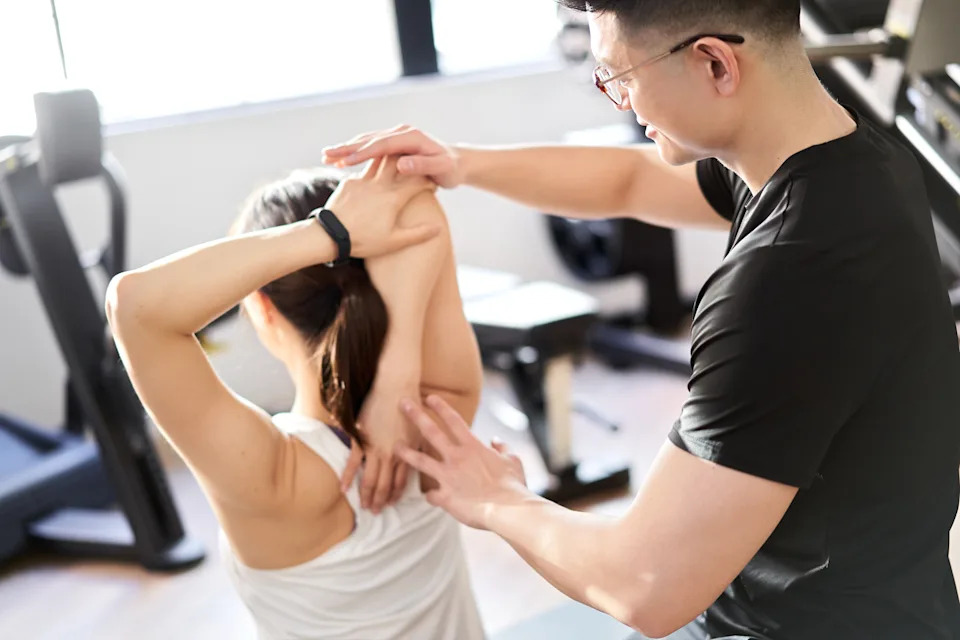
“With assisted stretching, we use controlled positioning, breath work and gradual tension to signal the nervous system that it is safe to allow more movement.”
Advertisement
There is an important caveat: Most research examines specific stretching techniques and protocols, not membership-based sessions at commercial studios
Assisted stretching also is not automatically superior to every stretch a person can do independently
A review comparing PNF and static stretching found that both improved hip-flexion range of motion, without clear evidence that PNF was better
Stretching should not be sold as a cure-all
Evidence is mixed on whether stretching prevents injuries, and post-workout stretching alone does not appear to meaningfully reduce delayed-onset muscle soreness or improve recovery compared with simply resting
Advertisement
The case for assisted stretching is more practical: personalization, accountability and access to positions that may be difficult to perform correctly alone
Who benefits most from assisted stretching?
Athletes may be the most visible users, but they are not the only people who can benefit
Loose regularly works with people who sit for much of the day, train hard without prioritizing recovery or feel chronically tight
Repeating the same positions can contribute to restricted movement, whether that position is sitting at a desk, driving, flying or performing the same exercises week after week
“One of the biggest misconceptions is that it’s only for athletes,” she says
“In reality, almost everyone can benefit, especially people with desk jobs, those who feel chronically tight, beginners starting a fitness routine and older adults looking to maintain mobility.”
It may also appeal to people who know they should stretch but rarely do
I have become consistent about strength training and have experimented with recovery practices such as sauna and cold plunges, yet I still rush through flexibility work when I am left to do it alone
Booking a session removed that negotiation
Anyone with an injury, health condition or pain that worsens during stretching should talk with a healthcare professional or physical therapist about which movements are appropriate
A fitness professional can help with general movement goals, but assisted stretching is not a substitute for physical therapy or medical treatment
How often should you do assisted stretching?
There is no universal, research-backed schedule for professional assisted-stretch sessions
Frequency depends on a person’s starting mobility, goals, activity level, budget and what they do between appointments
Loose generally recommends one or two sessions per week for clients seeking consistent progress
“Most people start to notice changes within a few sessions, especially in how they move and feel day to day,” she says
“Early improvements often include increased range of motion, less muscle tension and better posture.”
The broader evidence supports consistency more than any particular studio schedule
Mayo Clinic recommends stretching the major muscle groups at least two or three days per week, keeping movements slow and gentle and stopping if a stretch becomes painful
A useful assisted-stretch session should also give you information to take home: which areas are limited, which movements feel different from side to side and which simple stretches are worth repeating on your own
Loose says some of her most rewarding clients arrived unable to comfortably touch their toes or frustrated by discomfort that had persisted for years
“Within weeks,” she says, “they are moving more freely and with less discomfort.”

Becca Blond Creator
Travel & lifestyle writer covering luxury travel, VIP pups, wellness, mental health, and life hacks. Author of 35 Lonely Planet travel guides. The Chiweenie is my service dog, Poppy.
Creators are not employed by Yahoo. Views expressed by creators do not reflect the opinions and position of Yahoo.Learn how to become a creator.
