


Tips to Stay Safe as Cases of Major Stomach Bug Grow Across US
03:32
Move over, bacteria — there’s a new pathogen in town
The recent cyclosporaoutbreak has put parasites on the map, forcing people to second-guess what they’re eating and to learn that bacteria aren’t the only germs lurking in foods that can make us sick
The good news? Cyclosporiasis, the intestinal infection caused by cyclospora, is highly treatable, and most healthy people make a full recovery (even if the symptoms can last weeks and be very unpleasant, ER doctors previously told TODAY.com)
The bad news? Bacteria aren’t going anywhere — and many cause foodborne illnesses that can pose a greater risk to your health than cyclospora
Approximately 48 million Americans get sick from a foodborne illness each year. Here are the top six threats to know
Vibrio Vulnificus
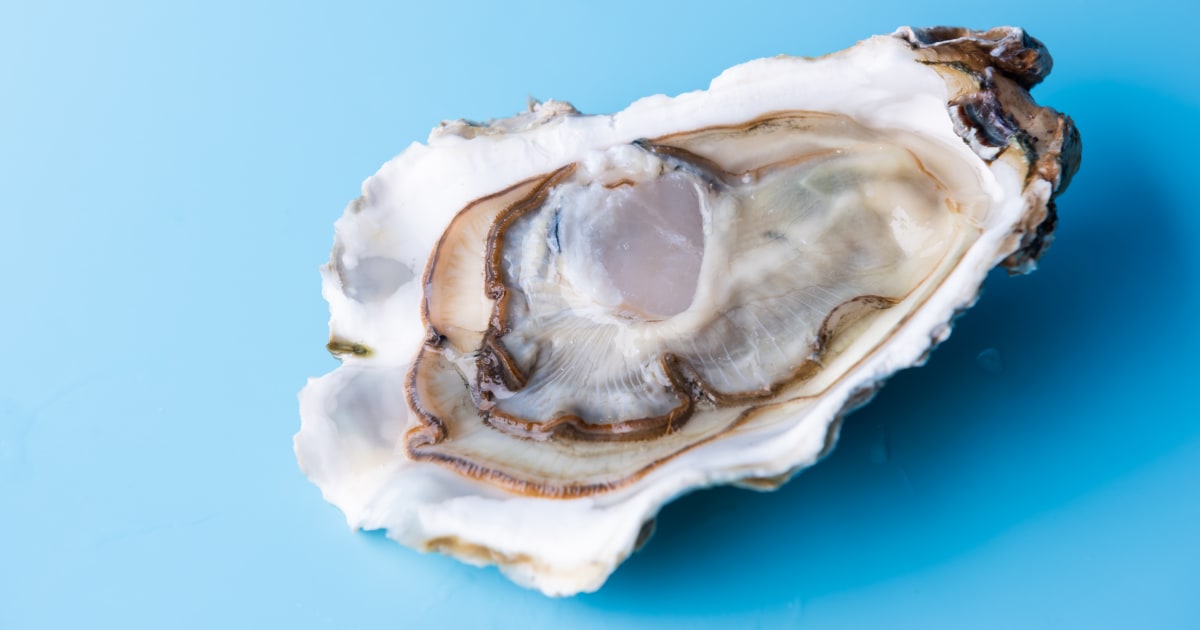
Vibrio vulnificus thrives in warm, coastal waters during summer months. It’s often called “flesh-eating bacteria” due to its propensity to infect open wounds
But you can also be infected by consuming raw or undercooked shellfish, particularly oysters — which carries a significantly higher mortality rate
Early symptoms resemble a standard stomach bug, including abdominal cramps, nausea and vomiting, but developing watery diarrhea after eating oysters is a distinct warning sign. If the infection spreads to the bloodstream, it can cause severe symptoms, such as concerning low blood pressure and blisters
According to the Centers for Disease Control and Prevention (CDC), approximately one in five infected individuals die, often within just a few days of falling ill
Individuals with liver disease are exceptionally vulnerable to severe illness and must seek emergency medical care immediately if exposure is suspected
To prevent a foodborne vibrio infection, cook seafood before eating it. Time recommendations vary depending on if it’s in the shell or shucked. Fish should reach an internal temperature of 145 degrees Fahrenheit
Listeria Monocytogenes
Listeria monocytogenesis a highly dangerous bacterium responsible for a disproportionately high rate of hospitalizations and deaths among pregnant people, older adults and immunocompromised individuals, with approximately one in six adults dying from the infection
The infection spreads primarily through contaminated food but can uniquely survive and multiply inside a refrigerator
High-risk foods include unpasteurized soft cheeses (like queso fresco and brie), raw milk, ice cream and yogurt
Healthy individuals rarely fall seriously ill, but people with depressed immune systems face severe risks
Stomach symptoms like vomiting and diarrhea typically appear within 24 hours but last only a few days. If you are immunocompromised, the infection may progress into the blood stream and eventually spread to the brain, causing fever, stiff neck, headache, confusion, loss of balance or seizures
While pregnant women often experience only mild, flu-like symptoms, the bacteria can cross the placenta, causing severe fetal complications like miscarriage or premature delivery. In approximately 25% of cases, a mother loses the baby during pregnancy or right after birth
To prevent listeriosis, high-risk individuals should cook food to a safe internal temperature, which varies by food
Botulism
Never giving honey to an infant isn’t just an old-wives’ tale — it’s sound medical advice
Botulism is caused by a bacterium known as Clostridium botulism, which releases one of the world’s most lethal toxins
The bacteria release spores to survive, and certain conditions encourage them to multiply, like canned foods. Honey also naturally contains botulism spores, which are potentially lethal to infants, who lack the mature digestive tracts of adults
The toxin released by botulism spores can attack the nerves, leading to gradual paralysis from the head downward. People often first complain of double vision, then trouble speaking and swallowing, then respiratory distress
Infants are particularly vulnerable. Common signs include drooping eyelids, flattening facial expression, poor feeding, weak cries, respiratory distress, decreased suck and gag reflexes, and constipation
Treating the infection early in the illness with an antitoxin and antibiotics can prevent paralysis. But the infection can be lethal if not caught in time
In May 2017, a botulism outbreak occurred in Sacramento County, resulting in 10 hospitalizations and one death linked to contaminated nacho cheese at a local gas station
Homemade foods that are improperly canned or preserved, and fermented foods (especially fish) are at higher risk of botulism. Canned foods bought in the supermarket also can be contaminated with botulinum, but this is rare
To prevent botulism, cook food to the right temperature for a long enough period and refrigerate it after. Also, follow proper home canning techniques, and do not eat food in cans that look bloated
Shiga Toxin-Producing E. Coli
A type of bacteria normally found in the intestines of humans and animals, most E. Coli is harmless, but several types can cause severe diarrhea in humans, including one known as Shiga toxin-producing E. coli (STEC)
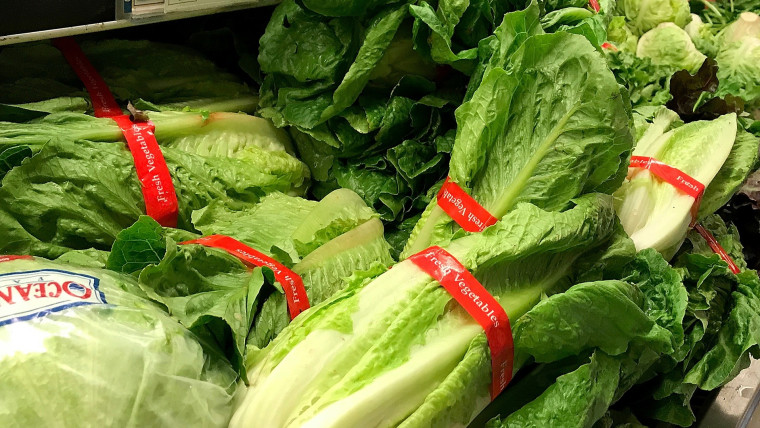
People get infected by eating contaminated food, especially leafy greens and ground beef, or through contact with an infected animal or the feces of an infected person
The bacteria need to colonize the intestines before releasing the toxin, so symptoms start on average three days after eating contaminated food
A typical case starts with stomach cramps, vomiting and diarrhea, but in nearly two-thirds of infections, people see blood in their stool, which differentiates it from other gastrointestinal illnesses
While most people recover from STEC on their own within a week, it can develop into a severe complication known as hemolytic uremic syndrome (HUS)
HUS is a life-threatening condition marked by kidney damage, anemia and low platelets, which impairs blood clotting. Children under 5 are highly vulnerable to these severe complications, especially from the aggressive O157:H7 strain
Symptoms of HUS usually start a week after getting infected, and they include: bloody urine, urinating less, tiny bruises on the skin, feeling very tired or irritable, and confusion
If you have an STEC infection, do not take an anti-diarrheal medication, as it can increase your risk of HUS. To prevent STEC, cook foods to the appropriate internal temperature
Salmonella
Salmonella is the the leading cause of death from foodborne illnesses in the U.S., according to the CDC
The bacteria reside in the intestines of humans and animals and commonly spread through contaminated food, including, chicken, turkey, beef, seafood, sprouts, nut butters, raw cookie dough, flour, cantaloupes, cucumbers, onions and basil
Like E. coli, salmonella can spread from person to person, as well as through contaminated food, water and contact with animals
Anyone can contract the illness, but young children, older adults, and immunocompromised individuals are especially vulnerable
There are two types of illness depending on the strain: a GI illness from non-typhoidal type and a more invasive form that enters the bloodstream and causes a fever known as typhoid
Symptoms from non-typhoid salmonella mimic the “stomach flu,” starting within a week after infection. Most people get better on their own within a week, though some may require antibiotics
Typhoid, however, can be lethal if left untreated. People usually develop very high fevers that can last for days accompanied by stomach pain, diarrhea or constipation. A helpful clue is a rash with rose-colored spots. Antibiotics are essential to cure typhoid
Prevent salmonella and typhoid by cooking food to the necessary internal temperature
Toxoplasmosis
Toxoplasmosis is an infection with the parasite Toxoplasma gondii, which can live for a long time inside the human body. Over 40 million people are infected in the U.S, according to the CDC
Generally, it does not make people with healthy immune systems feel sick, but pregnant women, immunocompromised people and infants are at higher risk for severe infection
People can get infected by consuming contaminated food, like undercooked meat and seafood, unwashed produce and unpasteurized goat’s milk
Toxoplasmosis can cause flu-like symptoms, including swollen lymph nodes. Severe illness can also damage other organs, especially the brain and eye
Infants are very susceptible to the infection, which can occur in the womb or during delivery. Even if there are no symptoms at birth, congenital toxoplasmosis can cause severe complications later on, like eye damage, seizures, intellectual disabilities and motor delays, according to Boston Children’s Hospital
Infected cats can also spread the parasite to humans
To prevent toxoplasmosis, cook food to a safe internal temperature, wear gloves when gardening and change your cat’s litter box daily, the CDC advises
