


One in eight U.S. adults uses GLP-1 drugs; Medicare now opens weight-loss access
byby Kevin Moss and Herb Weisbaum, Checkbook.org
Sat, July 25, 2026 at 7:30 AM
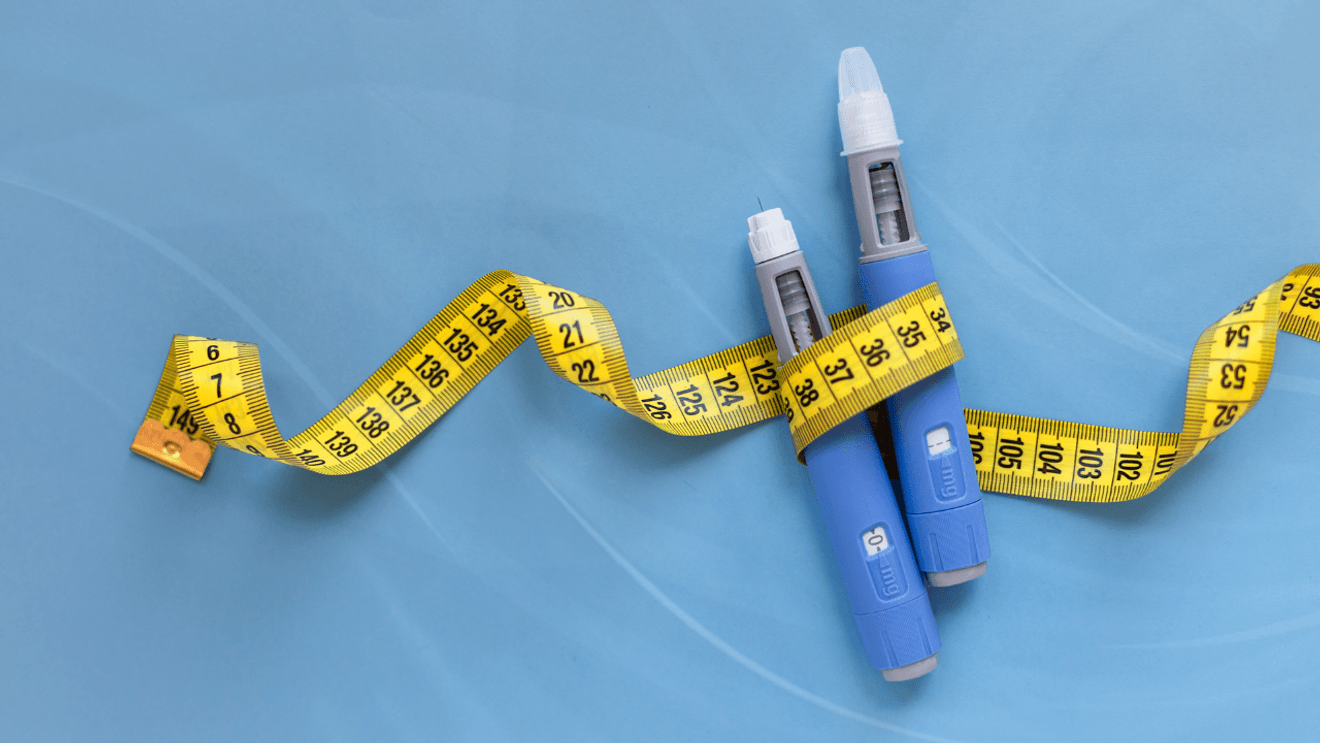
An image of a CU injectable Pen photo. (KOMO)
SEATTLE —The use of weight-loss drugs like Ozempic or Wegovy has ballooned over the past few years, with one in eight American adults currently taking a GLP-1 medication for weight loss or to manage conditions such as diabetes or heart disease, according to a poll conducted by KFF. Yet for millions of Medicare beneficiaries, these drugs have largely been out of reach
That’s due to the way Medicare Part D was originally written. When Congress created the program, it explicitly excluded coverage for drugs associated with weight loss or gain. Medicare does cover GLP-1s today, but only when prescribed for an underlying condition, not just for weight loss. That changed on July 1, 2026, when Medicare launched the GLP-1 Bridge Program, which will, for the first time, allow beneficiaries to access GLP-1 medications prescribed specifically for weight loss. Here’s what to know about how the program works.
What is the GLP-1 Bridge Program?
The GLP-1 Bridge Program is a short-term demonstration project that, for the first time, gives Medicare beneficiaries with Part D coverage access to GLP-1 drugs, prescribed for weight loss. The pilot program will run from July 1, 2026, through December 31, 2027
The program will operate outside of the standard Part D program, so individual Part D plans don’t need to take any action—eligible beneficiaries can access these drugs automatically. Medicare is managing the program centrally, handling prior authorization, claims processing, and pharmacy payments through a single system
Who’s Eligible for the Program
The program is available nationwide, including all U.S. territories, to any Medicare beneficiary enrolled in Part D. You can get Part D coverage from a standalone prescription drug plan (PDP) or a Medicare Advantage plan that
includes Part D (MAPD). Beneficiaries in Special Needs Plans (SNPs) and Employer Group Waiver Plans (EGWPs) are also eligible
To qualify for the program, a beneficiary’s provider must submit a prior authorization confirming they meet the eligibility requirements
- No underlying health condition: BMI of 35 or higher
- With an underlying health condition: BMI of 27 or higher, depending on the condition
Which Drugs Are Covered?
The program covers all formulations of Wegovy and Foundayo, plus the KwikPen formulation of Zepbound
How Much Will They Cost?
All covered GLP-1 drugs are available for a flat $50 copay, regardless of which drug is prescribed
How Do I Access the Program?
Start by talking to your doctor, not your insurer. Your doctor will submit the prior authorization directly to the program’s central processor. Once you’re approved, you simply pick up your prescription at your preferred pharmacy and pay the $50 copay
What’s the Catch?
Because the GLP-1 Bridge Program operates outside of the Part D program, the $50 copay does not count toward your Part D plan’s deductible or the $2,100 out-of-pocket catastrophic limit. Keep this in mind when weighing the program’s costs
Q: We’re constantly bombarded with ads for these GLP-1 drugs. How good are they? And if I start, do I need to stay on them forever?
They do work, but some people stop taking them due to side effects, which include nausea, vomiting, diarrhea, or constipation. The GLP-1 family of drugs can help you shed a significant amount of pounds, 14–20 percent of your total body weight in a year. If you stop taking the drugs, research shows, you’ll put back most of the weight
“The drugs don’t work if you don’t take them,” Dr. David Cummings, a weight loss expert at UW Medicine, told Checkbook. “They’re coded by the FDA as ‘forever’ drugs intended to be taken forever, just like a drug for your cholesterol or your blood pressure.”
More Info:Learn more about the new Medicare GLP-1 Bridge program and about the GLP-1 family of drugs by listening to Checkbook’s Consumerpedia podcast on GLP-1 drugs
