



The ‘Lifestyle Company’ Label Has Stopped Meaning Anything in Junior Mining
July 26, 2026
Matthew Gordon
At this month‘s Rule Symposium the “lifestyle company” label, shorthand for juniors mining shareholders, got another airing. “80% to 90% of the junior sector has no value.” It’s become a lazy label. All too often allocated generically and therefore lost its impact. What is the person uttering this phrase specificaly trying to say?
I’ve spent close to two decades putting real money into junior explorers, watching a good number of them go to zero and a small number of them return five, ten and even twenty times my initial position. I won’t pretend the sector has no dead wood. It does, and investors are right to screen for it. I’ve been burned by companies that existed to pay their Directors a salary and little else. My concern is different: the label has quietly stopped being a screen and become a substitute for actually doing the work of telling companies apart. When “bad junior” becomes indistinguishable from “any junior without cash flow,” investors lose the tools that separate the two, and they walk past the one part of the mining value chain where the largest returns in this business are made.
Exploration is a distinct asset class, not a failed producer
The mining industry runs on a division of labour that most sectors would recognize instantly. Producers deliver yield. Developers deliver optionality. Explorers deliver discovery leverage. Judging an explorer by production metrics is like judging a pharmaceutical research lab by its drug sales: it measures the wrong stage of the pipeline and concludes the pipeline doesn’t exist. Exploration is not an unsuccessful version of mining production. It is a specialized business with a different mandate: generate ideas, test geological models, make discoveries, and reduce technical uncertainty.
Over the past two decades, the majors have largely dismantled their internal exploration departments. Discovery risk didn’t disappear; it was outsourced to junior mining companies. As an investor, I’ve come to see exploration juniors as the R&D arm of the mining industry. Every mine that will matter in 2040 exists today as a geological concept in some junior’s portfolio, or it doesn’t exist at all. If you want exposure to that future supply, you have to own the R&D stage. There’s no other place to buy it.
What I actually look for in an exploration business
If exploration is R&D, the question I ask isn’t “when do you produce?” It’s whether the company runs a disciplined research operation. Over time I’ve settled on a handful of observable answers
Does the company generate and test targets systematically, and does each program produce data that changes the next one? Drill results that miss economic grade are not failures in themselves; they’re the progression that vectors toward discovery, or kills a target cheaply so capital moves to a better one. I’ve learned to be more suspicious of a company that never kills a target than one that does. It usually means they’re drilling the same story every year rather than following the geology
Who else has skin in the game? When a major puts its own capital and technical teams into a junior’s ground through a joint venture, that’s not friendship, and it’s not area control. It’s a producer paying a specialist to carry part of its discovery risk. I weight this heavily in my own diligence: when a company like Purepoint has both Cameco and Orano, the two companies that dominate the Athabasca Basin, reviewing its geology and choosing to fund work on it, that’s due diligence I can’t replicate from a research report. Partnerships don’t guarantee discovery; nothing in exploration does. But credible partners, systematic programs, and continued technical engagement are the closest thing to third-party validation this sector offers.
How does value get realized without a mine? Through the discovery-to-development hand-off that has always made basins like the Athabasca work: explorers de-risk ground, transfer it to developers and producers, and recycle capital into the next concept. The exit is discovery, not commissioning. When I hear investors say they don’t expect “another mine in our lifetime” from juniors, I hear people describing a hand-off they’ve stopped watching, not a process that has stopped working
Answering the “exploration doesn’t work anymore” argument
The common rejoinder is that exploration itself has stopped working: spending keeps rising while discoveries per dollar keep falling. As an industry average, that’s true, and I don’t dispute it. As a verdict on the model, the Athabasca Basin is the inconvenient counterexample I keep coming back to. Fission’s Triple R, NexGen’s Arrow, and IsoEnergy’s Hurricane were all found by juniors within the last 15 years, and the hand-off followed on schedule: NexGen is advancing Arrow through development, and Paladin acquired Fission and its Patterson Lake project outright in 2024. Hurricane now stands as the highest-grade indicated uranium resource in the world, found by a company that had never produced a pound. Declining averages tell you discovery is getting harder and scarcer. Scarcity isn’t an argument against the people who make the discoveries; it’s the reason their discoveries command the premiums they do, and the reason I keep a portion of my portfolio in this stage of the pipeline.
The tests I actually apply
The criteria offered at the Symposium, management aligned with shareholders, capital raised carefully and spent in the ground, real work being done, are directionally right. Applied honestly, they separate research operations from salary vehicles far better than the presence or absence of cash flow ever will. A junior with aligned insiders, partner-validated geology, funded programs, and a disciplined treasury isn’t a lifestyle company no matter how far it sits from production. A junior with none of those things isn’t saved by a mill on the horizon.
But one popular test deserves more scrutiny than it usually gets, because it’s hardened into dogma among retail investors: the expectation that a credible CEO owns 10% to 20% of the company and keeps buying into every raise. As a principle, alignment is unarguable. As a metric, it fails on simple arithmetic. A junior raises equity every year, for decades. For a CEO on a salary, one that in a well-run company shrinks when markets do, participating meaningfully in every raise isn’t a test of commitment; it’s a test of independent wealth. Applied strictly, it screens out career operators and passes people who got rich somewhere else, and in this sector, “somewhere else” too often means an earlier promotion that worked out. The filter admits the promoters and rejects the operators. Ownership percentage has the same flaw: two decades of necessary dilution shrink any honest founder’s stake mechanically. The number measures a company’s age and its CEO’s starting wealth, not conviction.
Alignment is real, but I’ve learned to look for it on the other side of the ledger, not what management puts in, but what it takes out. Does compensation move down with the market as well as up? Have insiders <a href="https://healthylife7.com/new-yorks-attack-on-the-free-exercise-of-religion-by-daily-editorials/” title=”New York's Attack on the Free Exercise of Religion, by Daily Editorials”>exercised and sold their options, or let them ride? What fraction of each raised dollar reaches the drill bit rather than head office? Is overhead paid from the treasury, or, as in partner-operated joint ventures, from management fees the majors pay? Every one of those questions is auditable from public filings, and in my experience a CEO who has taken nothing off the table in 20 years is better aligned than one who bought into every placement while paying himself like a producer’s executive.
Actionable advice for junior mining investors
If you’re going to hold this asset class, treat it like the venture-style bet it is, and build a process instead of a story. Here’s what I’d tell any investor putting money into juniors:
- Read the treasury flow, not the press releases. Pull the last three years of financial statements and calculate what fraction of each raised dollar actually went into the ground (drilling, assays, geophysics) versus G&A, salaries, and investor relations. A company spending less than 60-70% of its raises on exploration work is functioning more like an IR shop than an R&D operation.
- Track compensation against the commodity price and the share price, not just against peers. Did management’s pay rise when the stock fell? Did options get repriced downward in a bear market instead of salaries? These are the tells of misalignment that ownership percentage alone will never show you.
- Check the insider transaction history, not just the current ownership stake. Look at whether officers and directors have exercised options and sold immediately, or held. Long-dated holding of exercised shares tells you more about genuine belief in the project than a static “founder owns 15%” headline figure.
- Weight joint ventures and partner funding heavily. A major putting its own technical team and capital into a project is one of the only forms of due diligence you can’t buy or fake. Ask who else is on the ground, not just who’s promoting the stock.
- Judge exploration programs by whether they kill targets, not just whether they hit them. A company with a decade of drill results but no discarded targets is often recycling the same untested story. Look for evidence that each program’s data genuinely changed the design of the next one.
- Size positions for the base rate, not for the story. If 80-90% of the sector really does go to zero or sideways, no single junior, however good the story, should be a portfolio-moving position. Build a basket of five to fifteen names that pass the tests above, and expect most of your return to come from one or two of them.
- Watch dilution against value creation, not dilution in isolation. Raises are unavoidable in this business. The question is whether resource ounces, partner commitments, or de-risked ground are growing faster than the share count. A technically successful drill program can still be a bad investment if dilution outpaces the value it creates.
- Have a discovery-to-development thesis before you buy, not after. Know in advance what the hand-off looks like for this specific company, acquisition by a producer, JV buy-in, or standalone development — and revisit that thesis at every material news event, not just when the stock moves.
The bottom line
The 80-90% figure may well be right. But the response to a sector where most companies fail isn’t to write off the asset class; it’s better tests, honestly applied, and position sizing that respects the odds. Venture capital lives with worse odds than this and has built an entire discipline around identifying the exceptions. Retail letter writers rarely recommend juniors for understandable reasons — one bad call costs more subscribers than a good one earns, so declining to cover the sector is rational self-preservation for them. But declining to recommend it is not the same as declaring it worthless, and as an investor I don’t have the luxury of outsourcing that judgment to a blanket label.
The scorecard I use, compensation history against the commodity price, options exercised versus held, the fraction of each dollar that reached the ground, and who pays the overhead, is available to any investor willing to pull the filings. Real exploration companies will hold up under that scrutiny. The rest is the 80%, and no amount of ownership percentage on a cap table will change that
Analyst’s Notes

Institutional-grade mining analysis available for free. Access all of our “Analyst’s Notes” series below.
View more

Subscribing to our YouTube channel, you’ll be the first to hear about our exclusive interviews, and stay up-to-date with the latest news and insights.
Purepoint Uranium Group Inc.
Purepoint Uranium Group Inc.
Go to Company Profile

ATHA Energy
ATHA Energy
Go to Company Profile

IsoEnergy Ltd.
IsoEnergy Ltd.
Go to Company Profile

NexGen Energy
NexGen Energy
Go to Company Profile
Paladin Energy
Paladin Energy
Go to Company Profile
other Related companies
Atomic Eagle
Global Uranium
Energy Fuels
Why IsoEnergy Is Prioritising Discipline Over Speed Across Its Uranium Portfolio
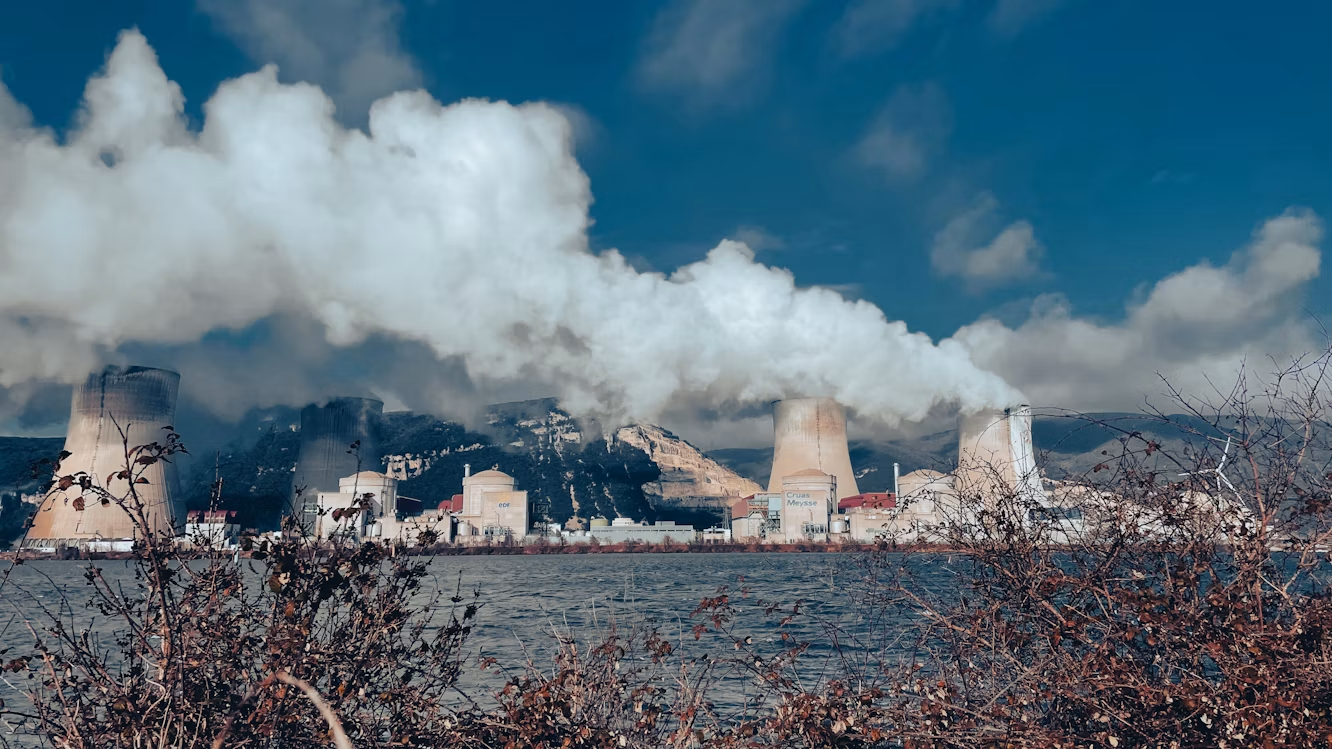
Uranium Supply Deficit Widens as Term Premium Hits $11 Over Spot
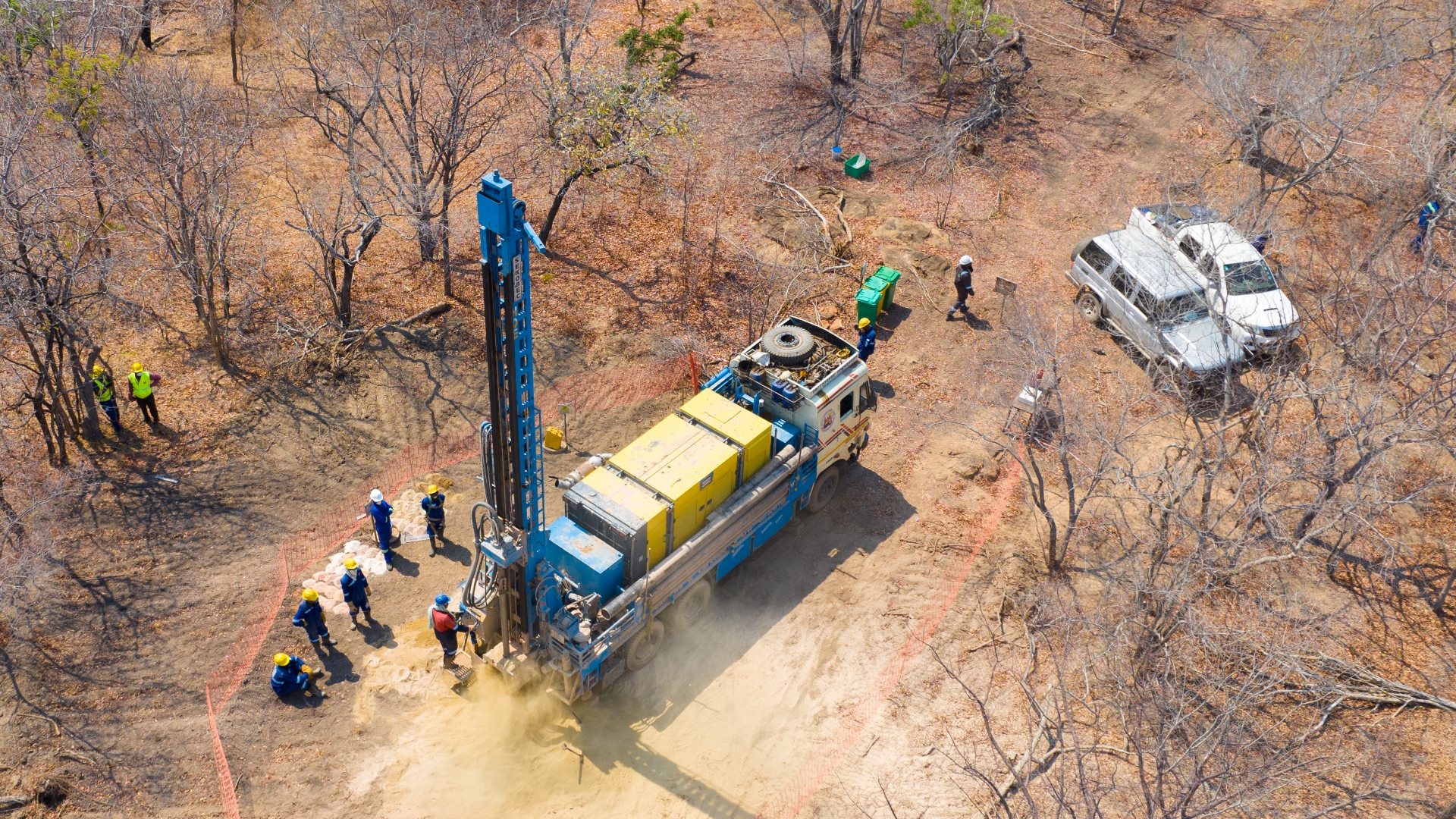
Existing Infrastructure Gives Atomic Eagle’s Muntanga Project a Distinct Development Profile
Two Discoveries, One Balance Sheet: The New Capital Allocation Test for Uranium Juniors
$91.50 Uranium Term Prices Signal a Supply Deficit: Lasting Shift or One-Quarter Blip?
No related articles
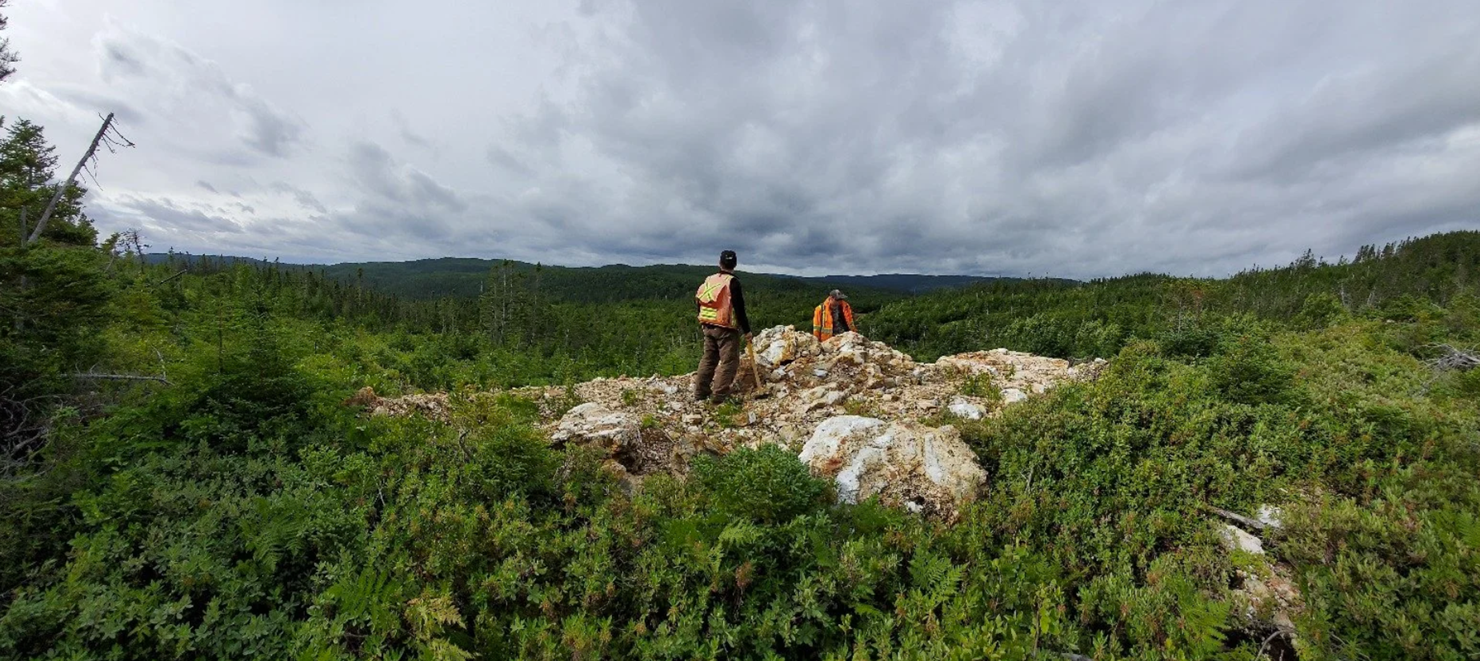
Magna Terra’s Atlantic Canada Copper-Gold Discovery and Partner-Funded Drilling at Optioned Projects
Magna Terra Minerals (TSXV:MTT) – Advancing Atlantic Canada Discoveries Under Proven Track Team
Argentina Metals (TSXV:VLLC) – Takes First Mover Advantage at District-Scale Mendoza Copper Belt

Argentina Metals: Turning Mendoza’s Reopening Copper Belt Into Argentina’s Next Copper Mine

Serabi Gold Reports 11,007 Ounce Second Quarter 2026 Production, Maintains Full-Year Guidance of 53,000 Ounces
Stay Informed
Sign up for our FREE Monthly Newsletter, used by +45,000 investors

