


Building healthy habits rarely depends on knowing what to do. Most people already understand the value of eating well, managing stress, and getting enough rest. The real challenge comes from following those habits consistently as daily responsibilities compete for your time and attention. AI is helping bridge that gap by offering guidance that fits your routine, goals, and progress.
And here’s how this technology is changing the way people build healthy habits.
Creates Personalized Wellness Plans Instead of One-Size-Fits-All Advice
General wellness advice often looks simple because it focuses on broad rules that apply to everyone. The problem is that real life does not work the same way for every person. Your work schedule, stress levels, food choices, sleep habits, activity level, and personal goals all affect what type of wellness plan you can realistically follow
A routine that feels manageable for one person may become overwhelming for another. This is where AI-powered wellness tools are creating a more personalized approach. By analyzing daily patterns and personal information, these systems can provide recommendations that better match individual needs instead of relying on generic advice
According to Casey Chappina, Founder & Executive Director at Saffron Therapeutic Services, “Support works better when it starts with understanding the person, not just the problem. People are more likely to follow through with healthy changes when the guidance reflects their actual challenges, environment, and daily routine. Personalization helps turn advice into something practical that people can continue using.”
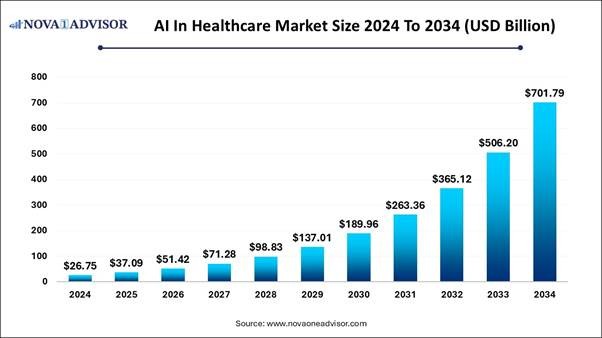
This personalized approach has become one of the fastest-growing parts of digital health. Research shows that the global AI healthcare market was valued at more than $26 billion in 2024, and expected to reach $701 billion in 2034.
That growth shows increasing demand for guidance that fits individual needs instead of broad recommendations
Personalization does not remove the effort required to build healthy habits. You still make the decisions every day. AI simply helps organize the information around your routine, making healthy choices feel more practical and easier to maintain over time
Makes Healthy Habits Easier to Follow Every Day
Starting a healthy routine often feels exciting in the beginning. The difficult part usually comes later when real life starts getting in the way. Work pressure, family commitments, travel, and unexpected changes can interrupt even the strongest plans. Building healthy habits is not only about having the right goals. It is about creating a system that can continue working when your schedule changes
“Long-term health improvements rarely come from following a perfect plan. They come from creating routines that are realistic enough to maintain during everyday challenges,” said Kallum Mitterer, CEO at Nutravea. “People often know what healthy choices look like, but consistency becomes easier when those choices fit their lifestyle. Small actions repeated over time usually create better results than short periods of extreme effort.”
AI is helping make wellness routines more flexible by adjusting recommendations based on personal progress, daily patterns, and changing needs. Instead of expecting the same performance every day, AI-powered tools can provide reminders, track habits, suggest manageable goals, and help people understand where they are improving
These features make healthy routines easier to follow because they reduce the pressure of perfection. Missing a workout, changing meal plans, or having a stressful week does not mean starting over. A flexible system helps people recognize setbacks, adjust their approach, and continue moving forward
The way people respond to setbacks often determines whether a healthy routine lasts. Seph Fontane Pennock, CEO & AI Therapy Expert at Psychology.com, believes that self-awareness plays an important role in maintaining behavior changes. “When people can identify patterns behind their struggles, they are more likely to make helpful adjustments instead of blaming themselves. Supportive tools can help people understand what is happening and create healthier responses when routines become difficult.”
Helps People Make Better Food Decisions
Food choices are influenced by much more than hunger. Your work schedule, available time, budget, family needs, and daily stress all affect what you decide to eat. AI helps simplify these decisions by using personal information to create meal suggestions that better fit your lifestyle and health goals
Many AI nutrition tools review food preferences, dietary restrictions, activity levels, and wellness goals to provide more relevant recommendations. Some help create shopping lists, suggest healthier alternatives, or recommend ingredient changes without forcing major lifestyle changes. Instead of giving generic meal ideas, these tools focus on options that feel practical for your routine
“Nutrition advice becomes more effective when it considers the person behind the choices,” Sade Savage, PA-C, DMSc, CAQ-psych, Board-Certified Psychiatric Physician Assistant at Zellig Psychiatry said. “Eating habits are often connected to stress, emotions, daily routines, and mental well-being. Tools that help people understand those patterns can support healthier decisions without adding more pressure to their lives.”
Even though AI wellness tools continue to improve, everyday use remains fairly low. A survey found that 46% of U.S. adults actively track their nutrition, yet only 11% use AI to support that activity.
Image Source:Menlo Ventures
The report shows a clear gap between people who care about healthy eating and those who rely on AI to help them make food decisions. As AI tools become easier to use and more personalized, that gap is expected to narrow
Better nutrition often begins with better decisions made throughout the day. AI supports that process by simplifying meal planning, helping you understand your eating habits, and offering practical guidance that fits naturally into your routine instead of adding another task to your day
Encourages Better Stress Management Before Burnout Builds
Stress rarely appears all at once. It often builds through small daily pressures such as long working hours, family responsibilities, constant digital distractions, and busy schedules. Many people only notice the impact when their sleep, mood, energy, or ability to focus starts changing. AI helps make these patterns easier to recognize before they become more difficult to manage
Many wellness platforms now use AI to monitor factors such as mood, sleep quality, daily routines, and activity levels. By identifying changes over time, these tools can provide more relevant support, whether that means suggesting a short breathing <a href="https://healthylife7.com/vmm-164-rein-conducts-nighttime-close-air-support-exercise/” title=”VMM-164 (Rein.) conducts nighttime close air support exercise”>exercise, encouraging a break, or recommending a moment away from screens
“Recovery and preparation both matter when the body is under stress. In areas like knee replacement surgery, we understand how important it is to recognize the factors that affect long-term recovery, from physical condition to daily habits,” says Dr Adrian Lau, from Hip & Knee Orthopaedics. “The same principle applies to overall wellness. When people understand their patterns earlier, they have a better chance of making small adjustments before stress begins affecting their health.”
AI becomes more useful as it learns from repeated habits. If stress regularly appears after poor sleep, extended work hours, or skipped meals, future recommendations can become more personalized. The goal is not to eliminate stress completely but to help people notice warning signs and respond before everyday pressure turns into long-term exhaustion
Improves Recovery by Connecting Sleep, Activity, and Daily Habits
Recovery is shaped by everything your body experiences throughout the day. Exercise is only one part of the process. Sleep, nutrition, daily movement, and stress levels all influence how well you restore energy and prepare for what comes next
Many people overlook these connections because recovery is often measured only by workouts or physical effort. AI-powered wellness tools are changing that by combining information from different areas of your daily routine. Wearables and health apps can track sleep patterns, activity levels, heart rate, and exercise intensity to identify trends that are difficult to notice without consistent monitoring
The ability to understand personal patterns is something Bill Sanders, from TruePeopleSearch sees as valuable in everyday decision-making. “Having access to the right information helps people make more informed choices. Whether someone is understanding their habits, managing personal details, or looking for patterns in their daily life, better information creates better awareness. AI works in a similar way by organizing data people can use to understand themselves more clearly.”
With this information, AI tools can suggest adjustments based on your current condition. A demanding workout, poor sleep, or increased stress may signal the need for lighter activity, extra recovery time, or changes to your routine
Recovery works best when different areas support each other. Sleep allows the body to repair, nutrition provides essential reaily pressure. AI brings these factors together, helping people understand what their body needs instead of focusing on only one part of recovery
Turns Health Data Into Practical Daily Guidance
Health apps and wearable devices collect a large amount of information every day. Steps, sleep hours, heart rate, calories burned, activity levels, and other measurements create a detailed picture of your daily habits. However, raw numbers alone do not always explain what those patterns mean or what actions you should take next. AI helps transform this data into practical insights, making it easier to understand how your choices affect your overall health
“Data only becomes valuable when it helps people make better decisions,” notes Alfred Christ, Digital Marketing Manager at ROKR. “The same principle applies across digital experiences. Users do not need more information alone; they need information that is organized, understandable, and connected to their goals. AI helps bridge that gap by turning complex data into guidance people can actually use.”
Instead of showing endless dashboards filled with charts and statistics, AI analyzes patterns across different areas of your routine. It can connect sleep quality with energy levels, compare activity with recovery, and identify habits that may be affecting your performance
The growing use of wearable technology shows that more people want a clearer picture of their health. According to Clutch, 67% of consumers who own wearable devices use them to monitor their fitness, physical activity, and health data.
Image Source:Clutch
As more people collect personal health information every day, AI plays an increasingly valuable role by turning those numbers into practical guidance instead of leaving users to interpret the data on their own
Builds Long-Term Consistency
Motivation can help you start a healthy routine, but consistency is what keeps progress moving forward. Daily life does not always make healthy choices easy. Work pressure, family responsibilities, travel, and unexpected changes can quickly affect the habits you planned to follow. AI helps make wellness routines more adaptable by supporting people through those changes instead of expecting perfect consistency
“People often lose progress because they believe one setback means they have failed,” shares Jane Pang, Founder & CEO of Getmorebeauty. “Whether someone is building confidence, improving their routine, or preparing for an important moment in life, sustainable results come from continuing small positive actions instead of chasing perfection. Consistency creates the foundation that allows progress to last.”
Many AI wellness platforms adjust recommendations based on changing routines. If you miss a workout, eat differently while traveling, or experience a few nights of poor sleep, these tools can adapt their guidance instead of treating those changes as failure. The focus stays on helping you return to a realistic routine
This type of flexibility makes healthy habits easier to maintain because they become part of everyday life rather than a strict set of rules. Small improvements continue to add up when people receive feedback that helps them stay aware and motivated
Josh Lingenfelter, Founder of Card Track, points out how consistency plays a role in long-term behavior. “People stay committed when progress feels measurable and manageable. Just like collectors track value, condition, and trends over time, personal improvement also becomes easier when you can see patterns and understand how small actions contribute to bigger results.”
AI does not remove the effort required to build healthy habits. It helps people stay connected with their goals by providing guidance that adjusts to real-life situations, making progress easier to maintain over time
Helps People Build Healthier Grocery Shopping Habits
Healthy eating decisions are often influenced by small choices people make throughout the day. A quick grocery trip, choosing between similar products, or deciding what ingredients to keep at home can shape eating habits over time. The challenge is that most people do not have the time to analyze every label or compare every option before buying
AI is changing how people handle these everyday decisions by making large amounts of information easier to understand. Instead of manually checking ingredients, nutrition values, and alternatives, users can receive recommendations based on their own preferences and goals
“When technology understands context, it becomes much more useful,” said Daniyal Shaikh, AI Designer & Developer at Virtual Ring Try On. “Good AI systems are not just about showing more information. They are about identifying what matters to a person at that moment and helping them make decisions with less effort. Personalization is what turns data into something people can actually use.”
This approach is becoming more common in grocery and nutrition apps. Some tools compare products based on dietary needs, highlight better alternatives, and help organize shopping lists around planned meals. Others learn from previous choices to provide suggestions that feel more relevant over time
Makes Health Information Easier to Understand
Finding reliable health information is easier than ever, but knowing what advice actually applies to your situation can still be difficult. Online searches often bring thousands of results, from detailed research papers to personal opinions, making it challenging to separate useful guidance from information that does not fit your needs
AI is helping simplify this process by organizing health information into clearer and more understandable answers. Instead of forcing people to read through complex explanations, AI-powered tools can summarize topics related to nutrition, stress, recovery, and general wellness in a way that feels easier to follow
Experts from Lashkaraa.com, notes, “People often look for more than information. They want to understand how it connects with their own lives. Whether someone is preparing for an important occasion, improving their daily routine, or simply trying to feel better, having guidance that feels relevant can make health decisions easier to follow.”
AI also helps bridge the gap between learning and taking action. Rather than only explaining general concepts, these tools can provide practical suggestions based on personal questions, habits, and goals
What This Means for You
Healthy habits still begin with your daily choices, though AI gives you better support along the way. It helps simplify decisions, keeps your routine organized, and provides guidance that fits your progress instead of relying on general advice.
Used wisely, AI becomes another tool that helps you stay consistent with nutrition, stress management, and recovery without making your routine feel more complicated. The strongest results come from combining your own commitment with technology that helps you make informed choices every day
