


<img src="https://healthylife7.com/wp-content/uploads/2026/07/https-2F-2Fmedia.zenfs_.com-2Fen-2Fbuzzfeed_videos_959-2F4065920580123bbbb5c3b36e403ab1d9.jpg” alt=””>
Warning: This post mentions disordered eating habits
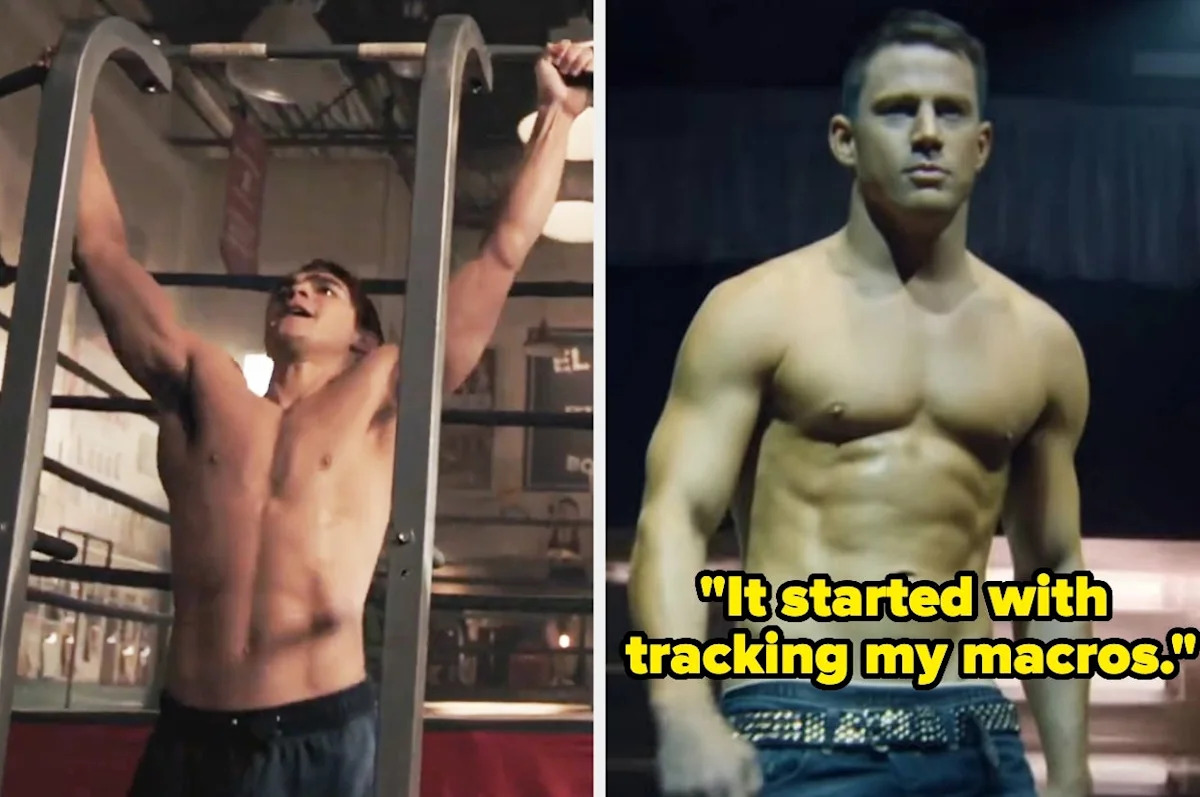
Recently, on Dylan Sprouse and Brendan Columbus’s Wildmenpodcast, KJ Apaspoke very candidly about his disordered eating habits while trying to get “in shape” for Riverdale
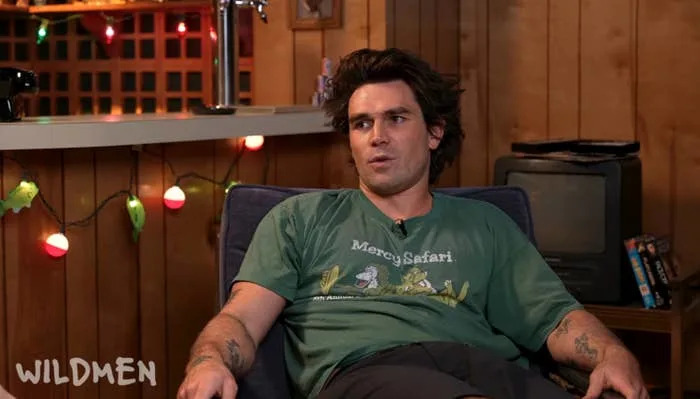
Apa’s openness is helping spark a necessary conversation about eating disorders among men, which isn’t as widely discussed as it should be. So I was very interested when I saw this thread on Reddit where a user asked, “Eating disorders are often different for men and women. Men who have/had an eating disorder, what was it like for you and how was your experience different?”
A lot of the entries by men were about how gym culture led them to their disordered eating, which highlights a very real issue. Here’s what they had to say:
1. “It started because of going to the gym and tracking what I ate. Little by little, I wouldn’t allow myself to eat basically anything (for real), and I was counting my macros on a nanoscale. I had individual pills for each vitamin, so I would take my 10 vitamins or so on an empty stomach to ensure I got my daily nutrients (resisting the urge to puke), and then I would go a full day or two without eating. The funny thing is, I didn’t even notice that I hadn’t eaten all day. I just ate so little during that time that I had no appetite and wouldn’t think about it. I was exhausted ALL the time. I was just generally lethargic and tired. I nearly tipped over from working out on a severely empty stomach several times at the gym. I still can’t eat breakfast, but I’m slowly working my appetite back up to normal. I would be full after a few bites of something. It was actually not fun.”
2. “People encourage male eating disorders. As a wrestler, not a lot of people were trying to stop me from eating only a PowerBar for lunch and an apple for dinner and then working out for four hours a day, five days a week. I never once had anyone attempt to stop me, intervene, or anything. I only ever heard encouragement. I was at 5% body fat for a long while. And I’m gonna be honest, I still have trouble looking at myself in the mirror and not thinking I’m fat, even though I’m in objectively good shape.”
Related:“18 People Shared Their Health And Lifestyle “Hacks,” And They’re Downright Real”
3. “I recovered from hypergymnasia, or sports anorexia. It started when I was 16. I started diving super deep into fitness and nutrition because I had terrible, deep-seated anxiety concerning my weight and physique. It started normally. I was going to the gym every day and watching what I ate. As things progressed, I slowly became obsessed with my nutrients and maintaining a consistent calorie deficit. I overanalyzed every morsel that went into my body, tracking every calorie and macronutrient for everything I ate or drank during the day. Eventually, I abandoned solid food for the most part, surviving off protein shakes and meal replacements. I spent a solid three to four hours at the gym every single day. I started taking cutting supplements and other supplements to dry out my muscles and eliminate water weight.”
“I’m relatively recovered now, but I still have lingering body image issues. I nitpick my appearance to no end and suffer from self-esteem issues, but I’m slowly getting better and learning to love the body I’m in. I eat relatively healthily now (for a low-income 23-year-old), and I’m learning to accept my own skin.”
Advertisement
4. “I am an amateur cyclist who took things a bit too far one season and am still battling the mental aftereffects. I come from a family of addicts. I avoided drugs and alcohol, but that brain chemistry is hard to fight. In competitive cycling, the primary metric is your weight relative to your power output (watts per kilogram). It started with me just wanting to lose a bit of weight. That tightened into being obsessed with only eating according to my plan in a very orthorexic way. I was weighing everything, counting every almond, constantly bartering with myself to eat this over that and ‘make up for it’ with an extra hour on the bike somewhere. If I went off plan, it was a tremendous failure. It negated all my training, at least in my head. I came out of it mostly because my wife and I have two kids now, and I just don’t have the time to focus that hard. But I still fight those demons all the time. When I overeat somewhere, I feel horrible about it.”
“If I have a good day and eat healthy, I immediately formulate plans for how I can be back to race weight if I just… I’ve never been formally diagnosed. I’ve never had any counseling. No one ever really tried to intervene. If anything, it was celebrated and lauded. I was super thin, very fast on the bike, and ‘disciplined’ in the eyes of my cycling friends. I know there’s a lot of athletes like myself out there, especially in running and cycling. Pros blog about it more openly than they used to, and that has helped me see what my own behavior was heading toward.”
5. “I didn’t really see it as an eating disorder or as really unhealthy, even though some of my friends and family were worried about me. My parents had to talk with me one night and explained that I was exhibiting the symptoms that correspond with anorexia. I didn’t see many men in the media dealing with eating disorders, so I never thought I could have that issue either and just brushed it off. I thought it was just healthier to eat less, and as a runner, I thought any kind of weight gain would make me slower. It didn’t really hit me until I was in my junior year of high school, at 17 years old, 5’7″, and just under 100 pounds, when my doctor told me he would have to pull me from sports if I didn’t gain weight. I’ve gained 40 pounds since then (about three years), and it’s crazy to look back and think I ate so little.”
—u/anonymous
Related:“Former Patients Are Sharing Their Wildest Doctor Visits And Holy Crap”
6. “I put on my ‘freshman 15’ plus another 15 or so. I then started getting really into going to the gym and tracking my weight loss. I remember ephedra was really popular at the time, and it made it easier to lose weight. I’m an addictive personality type, so I often dive all in and have to have it be all or nothing. I honestly didn’t realize how bad it was until I saw a picture of me where my chest looked a little concave and I looked ultra skinny. At that point, I’m not sure how I changed it. I was just able to see the problem and adjusted my diet. I’m almost 40 now and am still in relatively good shape, especially for my age. I just found some way to not care about obsessing over my weight anymore. I have no clue how I did it, but I just decided it wasn’t the path for me.”
7. “My little brother got an eating disorder when he was a teenager, and he had no idea for a long time because he didn’t know boys could get eating disorders. He was a bicycle racer, a sport where you have to be small and fast, so he spent hours and hours pushing his body as hard as it could go, and then he would eat a salad. It wasn’t anorexia. It was just general disordered eating because he was eating food, he just felt horribly guilty about it. He was finally able to tell our parents, and they helped him start to break the cycle. He’s now 23 and doing much better. He still worries about what he’s eating sometimes, but he’s able to push against that and remind himself that humans need food and that fat and carbs are an important part of eating.”
8. “I had an ED. It started out as a healthy thing. I was never obese or anything, but I always had what you could call a ‘dad bod.’ I was never very athletic. But then, during lockdown, I started eating healthier and working out more. I could see my body taking shape, and my tummy reduced a lot. But it wasn’t flat. I could kinda see the shape of my abs underneath that layer of fat, but I couldn’t get rid of it. I started becoming obsessed with getting rid of that layer of fat. It wasn’t even about having ripped abs. I just wanted to see them. I just wanted to know what a flat stomach looked like on me. It started with intermittent fasting. Then I kept reducing my food and my eating windows more and more. One day I almost fainted on the treadmill after working out without eating anything all day.”
“I felt proud and happy. Hunger started becoming like a form of self-flagellation to me. It was like I got some sort of masochistic high from doing it. I’d just like to say, contrary to what people believe, EDs are rooted in a lot more than just body image issues. Sure, this started because I wanted to see my abs. But having an ED also takes a lot of willpower and discipline. It feels empowering.”
Advertisement
9. “I remember being able to push through the social pressures to lift weights until I broke, the pressure in wrestling to drop weight fast by starving and using laxatives. But when my boss told me I had to lose weight for the PT test and recommended just eating salads with nothing else, I was too tired to question it. I started doing that while working out heavily until I felt woozy. A week or so later, I got seriously ill.”
Related:“Through These Baby Steps, The Gym Did More For My Grief Than I Ever Thought”

10. “There was a day I came home from a closing shift, and while trying to make that day’s macros, I cried into a bowl of instant curry. I hate trying to gain weight. I hated shoveling food, trying to gain weight. I hate putting things into MyFitnessPal to see how much more I need to eat. I hate bodybuilding culture. But I also hated when my body wasn’t bulging into my shirts. I hate when my friends comment on my body shape. I hate that eating is expensive. I hate that I have spreadsheets tracking exactly how much protein and carbs are in a hundred different foods. I hate that I think about the cost per gram of protein. I hate that I’m afraid to date because I look too skinny. I hate scales. I absolutely loathe scales. But I still want to gain weight.”
“I’m 31 now. In the decade I spent being miserable, I learned that the only enjoyable part of this was weightlifting for its own sake. And the goal of setting new personal records is almost removed enough from eating to not trigger my weight anxiety.”
11. And finally, “I used to be super skinny because I was just naturally skinny. But I decided to start working out and gain muscle. I bulked up and became extremely fit. I modeled and did bodybuilding competitions. I was trained by a professional and would eat very strictly. It would get very bad from the standpoint that I had to always be at a certain body fat percentage, and if it went up, I’d think I’m fat. Hell, I would get down to 6.7% body fat, and even if it went up a tenth of a percent, I would freak out. I would never eat a cheat meal or food like a piece of chocolate.”
“If I gave in and ate literally a piece of chocolate, I would body shame myself because I believed that by eating just that, I would get fat. If I wasn’t always on track and looking ‘insane,’ I’d get depressed. My body looked phenomenal, but people don’t understand how hard it is to keep your body looking model status. It is so unbelievably mentally damaging because if you eat a calorie over what you’re supposed to, you want to throw up, get depressed, and fat shame yourself.”
Advertisement
Submissions have been edited for length and/or clarity
If you’re dealing with an eating disorder and need someone to talk to, the National Eating Disorders Association helpline is 1-800-931-2237. For 24/7 crisis support, text “NEDA” to 741741
Your daily brain workout:It’s Our 100th Word Chain And If You Can Solve Today’s Puzzles You’re Officially Part Of An Elite Group Of Geniuses
Also in Health:“”I Got HAIRY”: These Are The Weirdest Body Changes I’ve Had Since Getting Fit”
Also in Health:“19 Human Body Facts That Genuinely Blew Med Students’ Minds In School”
