


By
- Chris Pugh, cleveland.com
Millions of Americans turn to social media every day for entertainment, advice and information — including guidance about their health. But experts warn that a growing number of online “health influencers” are not real people at all, KFF reported. Some are AI-generated personalities created to promote questionable products and spread misleading medical claims
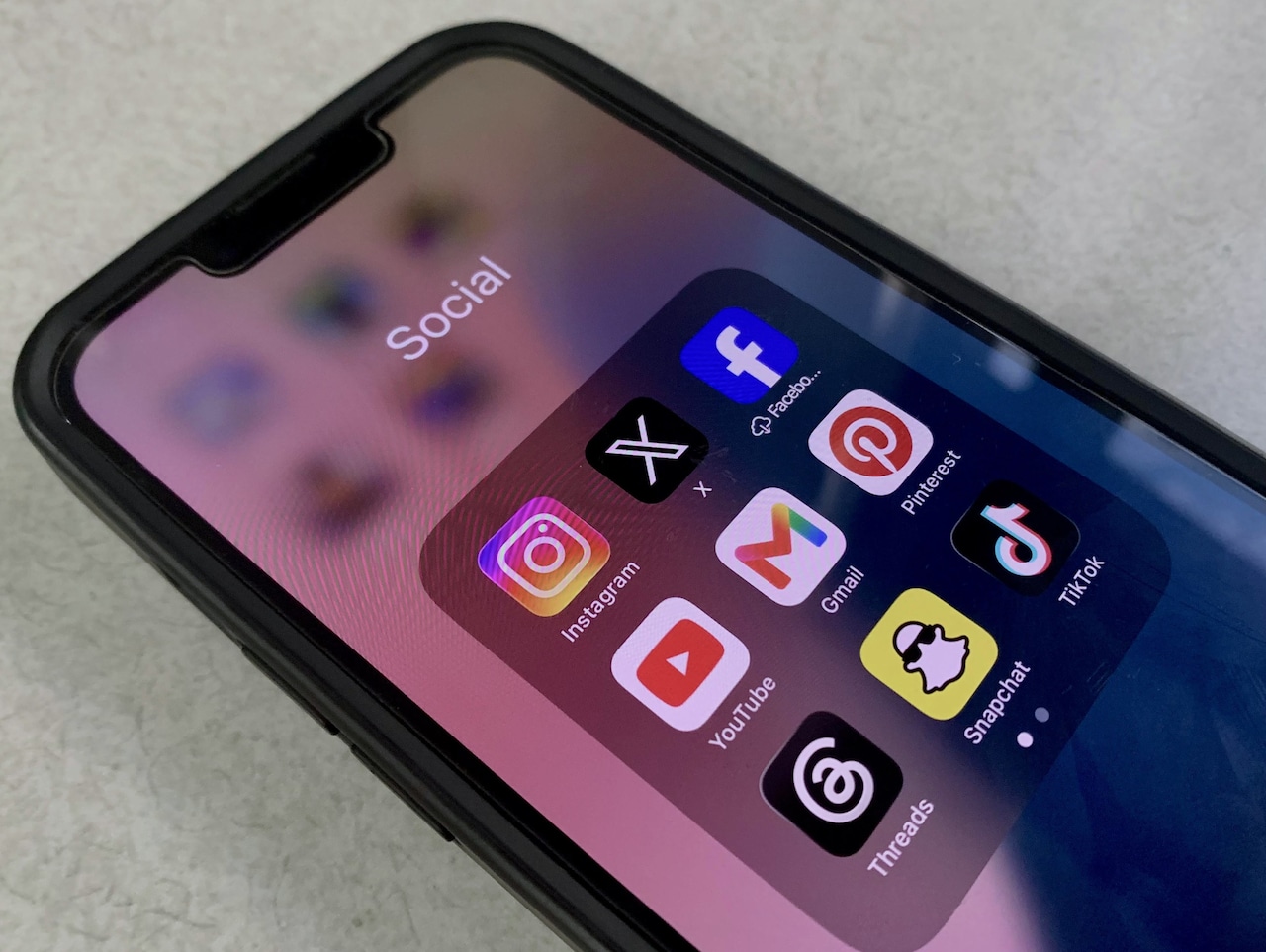
Social media platforms have become a majorch Center shows that YouTube is used by the vast majority of U.S. adults, while Facebook and Instagram also remain among the most popular platforms As users scroll through endless streams of videos, they may encounter everything from cooking tutorials and product reviews to content designed to influence what they believe — or what they buy
The problem is that some of the videos appearing online are not created by real health experts. Investigations have found large numbers of AI-generated “influencers” designed to look like doctors, wellness coaches or medical professionals. These fake personalities often promote supplements and treatments that claim to relieve chronic pain, reverse illnesses or provide quick health fixes
Many of the products promoted in these videos are not approved by the U.S. Food and Drug Administration and may not have scientific evidence supporting their claims. Health experts warn that some consumers could waste money on ineffective products or delay seeking legitimate medical care
Alex Hamerstone, advisory solutions director at cybersecurity company TrustedSec, said AI-generated videos have become increasingly difficult for everyday users to identify. Earlier AI technology often produced obvious warning signs, such as unnatural hands or strange facial movements, but newer systems can create realistic-looking videos that are much harder to distinguish from authentic content
The challenge becomes even greater because many people view social media content on small smartphone screens, where subtle signs of manipulation may be difficult to notice. Experts say consumers should focus less on whether a video appears realistic and more on whether the claims being made are credible
One warning sign is a health promise that sounds impossible. Emily DeJeu, an assistant teaching professor of business communications at Carnegie Mellon University who studies artificial intelligence in business communication, said consumers should be skeptical of products claiming to offer miracle cures
DeJeu said legitimate health improvements are usually based on familiar habits such as maintaining a balanced diet, exercising regularly, getting enough sleep, completing health screenings and following guidance from medical professionals. A supplement or online product promising to quickly solve a long-term medical condition should immediately raise concerns
Another major red flag is urgency. Shannon Kooker, vice president of clinical excellence and patient safety at ECRI, said consumers should be cautious when online sellers pressure them to make immediate purchases through tactics such as “limited-time offers” or claims that only a small number of products remain
Experts also recommend checking who is making medical claims. Testimonials without real names, verifiable credentials or professional backgrounds should be treated carefully. Consumers can research whether someone claiming to be a medical professional actually has recognized certifications or licenses
Artificial intelligence itself is not necessarily the problem. Experts say AI tools can be useful for general education and helping people find information, but they should never replace a doctor or medical professional when making decisions about treatment
Kooker said people should treat AI-generated health advice the same way they would treat advice from a stranger. It may introduce an idea worth discussing, but it should not become the final
If someone encounters a suspicious health claim online, experts recommend discussing it with a doctor or pharmacist before taking action. People who encounter fraudulent content should also report it to the social media platform where it appeared
Cybersecurity experts also encourage people not to feel embarrassed if they fall victim to an AI-related scam. Fraudsters increasingly use sophisticated technology designed to manipulate emotions, especially among people searching for relief from pain or illness
Experts say the rise of AI health scams also highlights a larger issue: declining trust in traditionalcan be helpful, specialists warn that replacing trained medical professionals with anonymous online personalities can create serious risks
Healthcare remains a complicated field that requires education, experience and human judgment, Kooker said. While AI may continue to play a role in medicine and information sharing, experts say technology should support — not replace — the relationship between patients and healthcare providers
ALSO TRENDING:This winter could be unlike anything in years
ALSO TRENDING:A mysterious symbol is appearing across Las Vegas – and everyone has a theory
ALSO TRENDING:Kentucky man lost his job over a $1.95 purchase. Then everything changed
This article was produced with assistance from AI tools and reviewed by Cleveland.com staff
