


Peptides emerge as the latest weight loss trend
Tue, July 28, 2026 at 4:36 PM
Many peptides that exist right now are FDA regulated, but some are not.
Peptides are the latest buzzy trend to take over the weight loss and fitness world, following the surge in popularity of GLP-1 medications such as Wegovy and Ozempic. They are now widely promoted online and sold in stores, while also drawing attention from the FDA
“We’re all obsessed with peptides but you don’t even know what an antioxidant is,” said a woman in one TikTok video
“Are peptides worth using?”
“Yes, they can be a nice supportive ingredient,” answered someone in another TikTok video
“Take these three peptides before bed and your brain repairs itself while you sleep,” said a man in another TikTok video
Peptides are all over the internet, stores and being discussed by the FDA. So what are they exactly?
“They’re just short chain amino acids,” said registered dietitian Laura Ligos, who is known as “The Sassy Dietician” on Instagram. “Which, for more people, they’ve heard of protein. Amino acids are <a href="https://healthylife7.com/the-best-gifts-for-someone-building-the-ultimate-home-gym/” title=”The Best Gifts for Someone Building the Ultimate Home Gym”>building blocks of proteins,” she said
The body naturally produces peptides. Albany College of Pharmacy and Health Sciences assistant professor of pharmacy Dr. Katharine Abbot specializes in endocrinology, and peptides fall right into her wheelhouse because of what they do. “They’re impacting metabolism, appetite, growth, tissue repair and even inflammation,” Abbot said
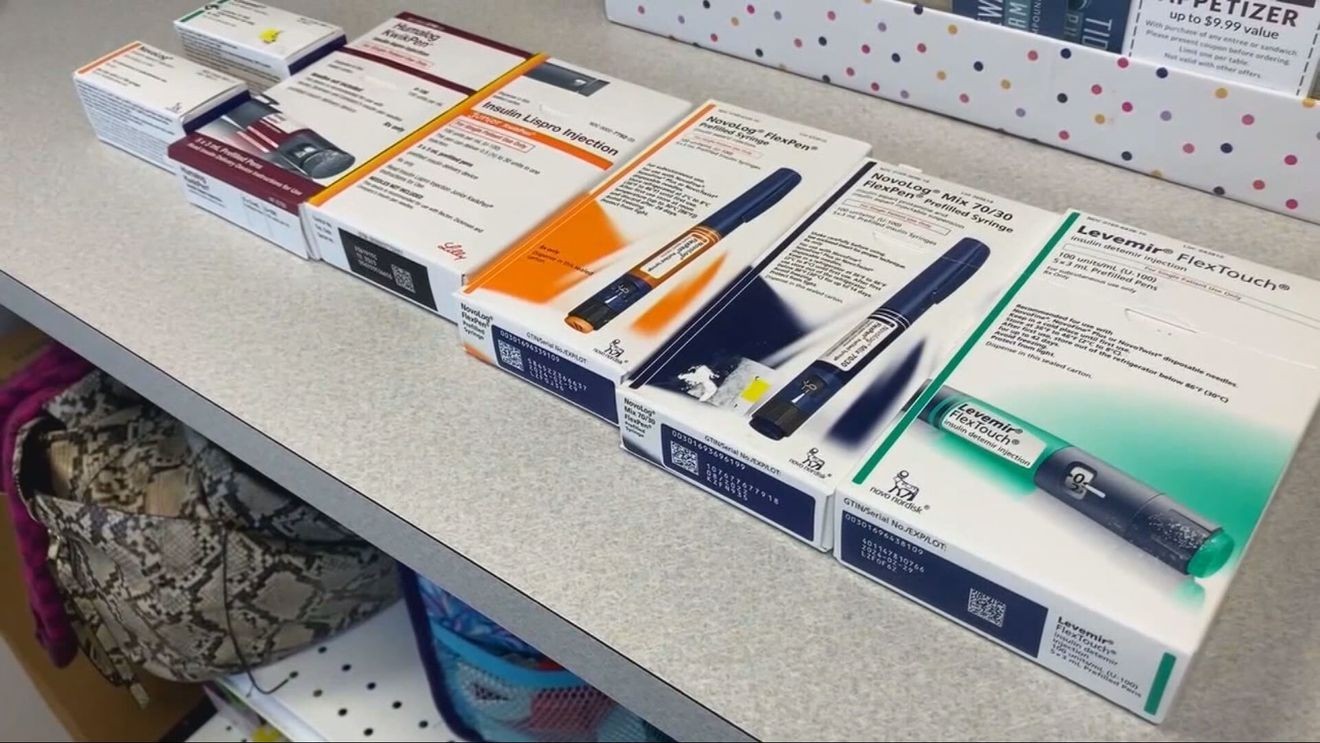
Those terms — metabolism, inflammation, repair and growth — are what’s gotten people’s attention because for many, these words are associated with weight loss or increased muscle mass. Peptides are also tied to medications many people already know: the “P” in GLP-1 stands for peptide, and insulin is also a peptide. GLP-1 medications and insulin are regulated by the FDA and have undergone clinical trials. But Abbot said peptides are also being sold and used outside of FDA-approved indications.
“So these are often sold through compounding pharmacies or online for say like research purposes, or wellness products, often being marketed and sold without these FDA-approved indications,” Abbot said
Those non-FDA-approved products have contributed to what some refer to as a “gray market.”
“They come in the form of injections, so same as you would with a GLP one you get from your doctor or provider, but now there’s a lot of oral peptides that are coming to play too,” Ligos said
Brittany Burnham, a fitness instructor and founder of PWR Gym in Albany, said she began using injectable peptides at a medi spa last year for an injury. She had heard about them from a friend. “She told me about a synthetic injectable peptide that specifically helps for muscle repair,” Burnham said
Burnham said she has since tried oral peptides, including powders mixed into drinks, and she now sells them to her clients. “It’s not an all or nothing, but when you’re just introducing some tools for that toolbox, that’s and see what works, and then we build off from there,” Burnham said
Whether peptides actually work is the next question being examined in this ongoing Wellness Watch series
