

Close Menu
healthylife7.comhealthylife7.com

    Subscribe to Updates

    Get the latest creative news from FooBar about art, design and business.

    What's Hot

    Research Published in Mayo Clinic Proceedings: Digital Health Reveals Body Composition Predicts GLP

    July 29, 2026

    “We’re trying not to eat fast food”: Patrick Mahomes’ mother Randi Mahomes reveals healthy lifestyle secrets in latest Instagram post

    July 29, 2026

    Translating genomic data into healthcare practice with the Singapore National Precision Medicine program

    July 29, 2026
    Facebook X (Twitter) Instagram
    Trending
    • Research Published in Mayo Clinic Proceedings: Digital Health Reveals Body Composition Predicts GLP
    • “We’re trying not to eat fast food”: Patrick Mahomes’ mother Randi Mahomes reveals healthy lifestyle secrets in latest Instagram post
    • Translating genomic data into healthcare practice with the Singapore National Precision Medicine program
    • Shoppers Drug Mart and Obesity Canada team to help expand access to obesity care for Canadians
    • New microwave frying method could make french fries much healthier
    • Uninsured but Undaunted, a Surgical Patient Searched the Globe for a Deal
    • Report: Panthers to bring in former Buccaneers QB for workout
    • Fasting and weight-loss medications: what to advise your patients
    Facebook X (Twitter) Instagram
    healthylife7.comhealthylife7.com
    • Home
    • Fitness
    • Health
    • Nutrition
    • Lifestyle
    • Conditions
    • Mental Health
    • Weight Loss
    • Wellness Tips
    Wednesday, July 29
    healthylife7.comhealthylife7.com
    Home»Health»Time-Restricted Eating May Help Protect Brain Health in Older Women, New Research Suggests
    Health

    Time-Restricted Eating May Help Protect Brain Health in Older Women, New Research Suggests

    healthylife7By healthylife7July 29, 2026No Comments5 Mins Read
    Facebook Twitter Pinterest LinkedIn Tumblr Reddit WhatsApp Email
    Time-Restricted Eating May Help Protect Brain Health in Older Women, New Research Suggests
    Share
    Facebook Twitter LinkedIn Pinterest WhatsApp Email

    Integrative Health

    Time-Restricted Eating May Help Protect Brain Health in Older Women, New Research Suggests

    Author:Sela BreenJuly 29, 2026
    Assistant Health Editor
    By Sela Breen
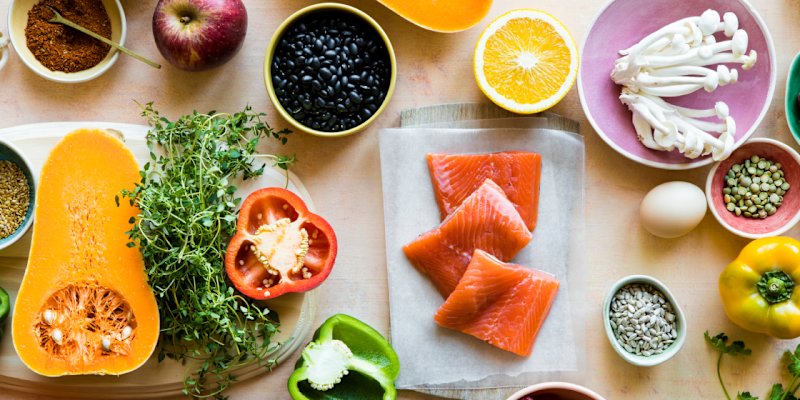
    Image by Nadine Greeff / Stocksy
    July 29, 2026

    Time-restricted eating is predominantly known as a <a href="https://healthylife7.com/mhra-highlights-weight-loss-pitfalls-amid-continuing-glp/" title="MHRA highlights weight loss pitfalls amid continuing GLP”>weight loss strategy. You pack all of your calories into a shorter window during the day, then fast overnight. This might sound super restrictive, but in reality it looks like eating a later breakfast, think 9–9:30AM, and an earlier dinner, around 6PM

    There’s ample evidence showing time-restricted eating is beneficial for weight loss, but new research shows it may have brain benefits that go well beyond metabolic health

    About the study

    Researchers at Rutgers University enrolled 47 women between the ages of 50 and 79 who were overweight or had obesity

    All participants were counseled to reduce their calorie intake by 500 calories per day. 26 of the women were also asked to restrict their eating to a window of fewer than nine hours per day. In practice, most ate only between 10 a.m. and 6 p.m., with an average daily eating window of 8.2 hours. The rest maintained a typical eating window of about 12 hours per day, averaging 12.3 hours

    The trial ran for six months before the researchers presented the findings at NUTRITION 2026, the annual meeting of the American Society for Nutrition. Keep in mind that abstracts presented at the meeting have not generally gone through the peer review required for journal publication, so the findings are still considered preliminary

    How TRE effects brain health

    brain guard+

    ★ ★ ★ ★ ★
    ★ ★ ★ ★ ★

    After six months, participants in both groups had lost about 15 pounds on average. But the time-restricted eating group showed something extra: significant improvements on spatial planning and problem-solving tests, plus a trend toward fewer errors on memory and learning tasks

    There was no significant difference between the groups on multitasking or reaction time

    These outcomes suggest a better ability to remember information during everyday tasks and fewer mistakes related to memory, attention, and problem-solving, said Sue Shapses, PhD, RD, a professor at the Rutgers Medical Center and the study’s Principal investigator, in a press release

    She also noted that greater reductions in the eating window predicted greater cognitive improvements

    Why the timing matters

    The fact that both groups lost similar amounts of weight, yet only the time-restricted eating group showed cognitive gains, is what makes this research stand out. It shows that the cognitive health benefits are coming from something other than just the weight loss

    Shapses’ team plans to investigate what’s actually driving the effect, looking at possible mechanisms like the interactions between circadian rhythm, nutrient-sensing pathways, inflammation, and metabolic health. Syncing your eating with your body’s natural daily rhythms may do something for your brain that cutting calories alone does not, a finding that aligns with emerging research on how intermittent fasting may influence the body’s internal clock

    This especially relevant for women, who already bear a greater disease burden when it comes to Alzheimer’s disease and dementia risk

    RELATED READ:Worried about Memory Loss? 7 Studies Suggest This Nutrient May Help

    What this means for you

    Losing weight alone will ward off some aging-related cognitive decline, but Shapses says the data suggests there may be added benefits if you stop eating four hours before you go to sleep and keep food intake to 8–9 hours per day, compared with the usual 12-hour window

    If you’re curious about giving time-restricted eating, this study adds a reason to consider it beyond weight management. Here are some practical tips to get started:

    • Start with your last meal: Shapses’ group found that cutting eating off four hours before sleep is a key part of the equation. If you go to bed at 10 p.m., aim to finish eating by 6 p.m.
    • You don’t have to go extreme: An 8–9 hour window is the target here, not a strict fast. That might look like eating between 9 a.m. and 5 p.m., or 10 a.m. and 6 p.m.
    • Pair it with healthy eating: Every participant in this study also trimmed their calorie intake. Time-restricted eating was part of an overall healthier eating strategy, not a replacement for other dietary measures.
    • Make sure your getting your nutrients: It’s important to make sure you’re fitting all of your same macronutrients, vitamins, and antioxidants into this shorter eating window. Prioritize protein, fiber-rich foods, fruits, and vegetables for a balanced diet.

    For a full breakdown of how to find your ideal eating schedule, this guide to time-restricted eating benefits and risks is a helpful place to start

    RELATED READ:This Is The Best Creatine To Gain Muscle & Lose Fat 

    The takeaway

    This is a small, preliminary study, and larger trials are needed before anyone can draw firm conclusions. But the direction is exciting. Shrinking your eating window may offer cognitive benefits that the scale doesn’t capture. For people already focused on weight loss and aging well, this shift could provide double bang for your buck in terms of benefits

    brain Eating help protect TimeRestricted
    healthylife7
    • Website

    Related Posts

    Uninsured but Undaunted, a Surgical Patient Searched the Globe for a Deal

    July 29, 2026

    Vermont ends yet another healthcare reform experiment

    July 29, 2026

    Healthy Hair and Scalp Help Men Appear Confident while Living an Active Lifestyle

    July 29, 2026
    Leave A Reply Cancel Reply

    Health
    Wellness Tips

    Research Published in Mayo Clinic Proceedings: Digital Health Reveals Body Composition Predicts GLP

    By healthylife7July 29, 20260

    Withings research finds that muscle-to-fat ratio at the start of treatment is the strongest predictor of both how much weight is lost on GLP-1 therapy and whether it comes from fat or muscle. The peer-reviewed, real-world study, published in Mayo Clinic Proceedings: Digital Health, followed 396 GLP-1 users and matched 1635 non-users using data from…

    “We’re trying not to eat fast food”: Patrick Mahomes’ mother Randi Mahomes reveals healthy lifestyle secrets in latest Instagram post

    July 29, 2026

    Translating genomic data into healthcare practice with the Singapore National Precision Medicine program

    July 29, 2026

    Shoppers Drug Mart and Obesity Canada team to help expand access to obesity care for Canadians

    July 29, 2026
    Stay In Touch
    • Facebook
    • Twitter
    • Pinterest
    • Instagram
    • YouTube
    • Vimeo
    Fitness

    Opinion: The FDA must put biotech at its center or continue to cede early research to China

    July 6, 2026

    Inside Elevance’s digital chronic disease management strategy

    July 6, 2026

    Best, Worst States For Well

    July 6, 2026

    What do the Middle Ages tell us about mental health then and now? VCU historian Leigh Ann Craig has answers

    July 6, 2026

    Subscribe to Updates

    Get the latest creative news from SmartMag about art & design.

    About Us

    Welcome to HealthyLife7.com, your trusted source for reliable health, wellness, fitness, and lifestyle information. Our mission is to help people make informed decisions about their health by providing clear, practical, and easy-to-understand content.

    At HealthyLife7.com, we believe that good health starts with the right knowledge. Whether you're looking for healthy eating tips, fitness advice, mental wellness strategies, weight management guidance, or information about common health conditions, our goal is to deliver valuable content that supports a healthier lifestyle.

    Fitness

    Research Published in Mayo Clinic Proceedings: Digital Health Reveals Body Composition Predicts GLP

    July 29, 2026

    “We’re trying not to eat fast food”: Patrick Mahomes’ mother Randi Mahomes reveals healthy lifestyle secrets in latest Instagram post

    July 29, 2026

    Translating genomic data into healthcare practice with the Singapore National Precision Medicine program

    July 29, 2026
    Health

    Opinion: The FDA must put biotech at its center or continue to cede early research to China

    July 6, 2026

    Inside Elevance’s digital chronic disease management strategy

    July 6, 2026

    Best, Worst States For Well

    July 6, 2026
    Facebook X (Twitter) Instagram Pinterest
    • About Us
    • Contact us
    • Disclaimer
    • Privacy Policy
    • Terms and Conditions
    © 2026 healthylife7.com. Designed by Pro.

    Type above and press Enter to search. Press Esc to cancel.