


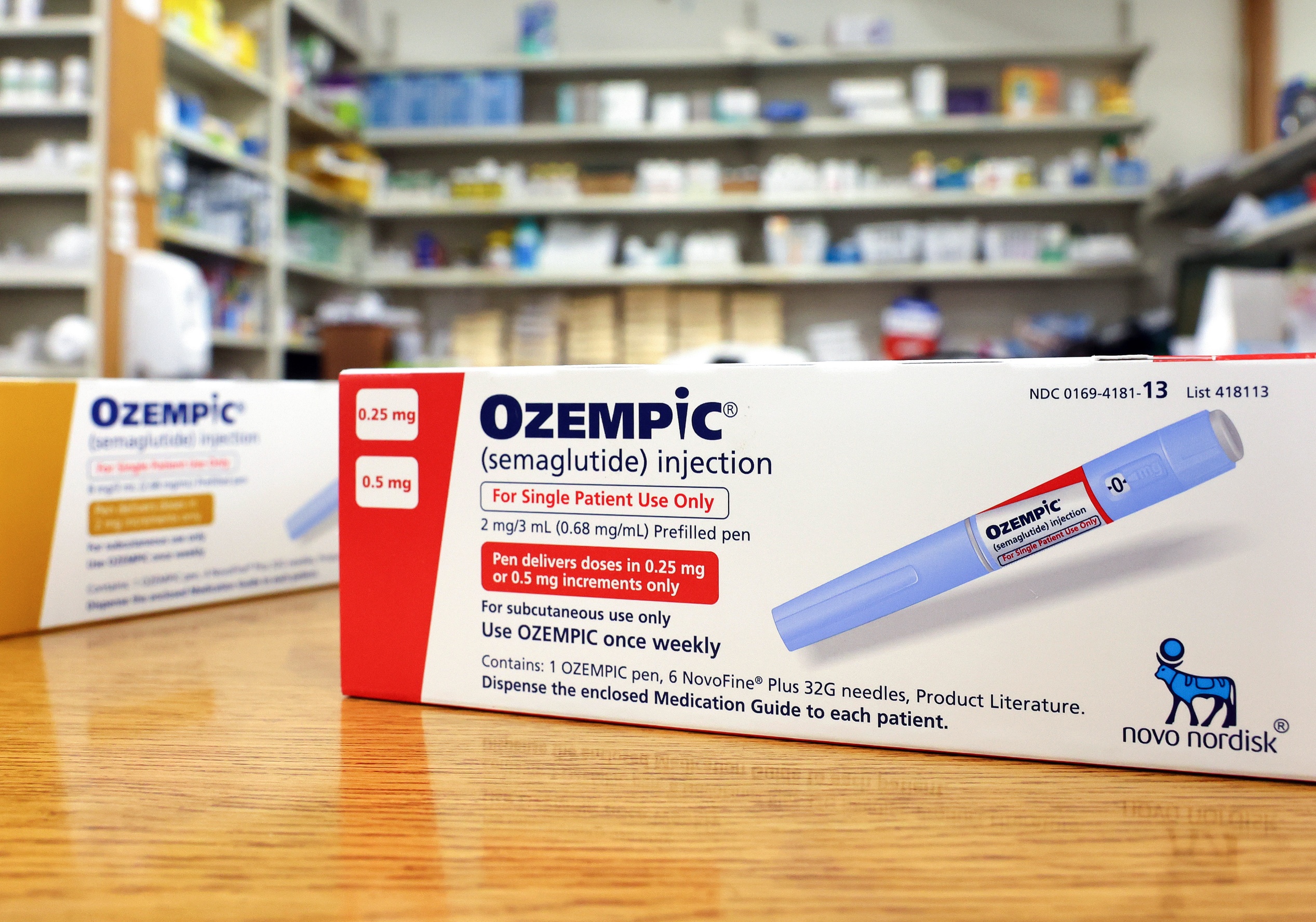
Brazil’s national drug regulator approved five semaglutide injection pens simultaneously on Wednesday — the largest single-day batch of GLP-1 receptor agonist clearances any health agency has issued in the country’s history — yet none of the drugs can reach a pharmacy shelf until Brazil’s drug pricing chamber sets a price cap, a separate regulatory step with no announced timeline
The five newly authorized products — Owozy (Ávita Care), Seemasun (Sun Farmacêutica do Brasil), Zempneo (Brainfarma), Semavy (Cosmed), and Orsema (Ranbaxy Farmacêutica) — bring Brazil’s total of registered semaglutide brands to six, alongside Novo Nordisk‘s original Ozempic. The registrations were published in the Diário Oficial da União (Brazil’s official federal gazette) under Resolutions RE 2.941/2026 and RE 2.942/2026
For the estimated 14–16 million Brazilians living with type 2 diabetes, and the many more managing obesity through out-of-pocket treatment costs, the approvals signal that the country’s post-patent competition era is formally underway — even if cheaper drugs remain weeks or months away
What “Approved” Means — and What It Does Not
Each of the five products shares an identical formulation profile: a synthetic semaglutide solution at 1.34 mg/mL concentration, available in 1.5 mL and 3 mL cartridges, delivered
The approved therapeutic indication is narrow. All five products are cleared for adult patients with type 2 diabetes that is insufficiently controlled on existing treatment, specifically when metformin — the standard oral first-line therapy — is medically inappropriate due to intolerance or contraindications. None of the five pens carries an obesity weight-loss label at this stage; patients seeking semaglutide specifically for weight management remain limited to Novo Nordisk’s branded products.
Registration is also not the same as availability. Before any of these drugs reaches a Brazilian pharmacy, the manufacturer must receive a separate price ceiling authorization from CMED, Brazil’s drug pricing chamber. No pricing timeline has been announced for any of the five newly registered products. Inclusion in SUS, Brazil’s free-at-point-of-use public health system, would require a further recommendation from Conitec (Brazil’s technology incorporation commission) and final approval from the Ministry of Health — a process that has not yet been initiated for any of the new products.
Why Five at Once: The Regulatory Campaign Behind the Record
Wednesday’s approvals did not happen spontaneously. Anvisa launched a formal accelerated review campaign in August 2025, issuing Invitation Notice CFP 12/2025 at the request of Brazil’s Ministry of Health, which sought to supply the national market and support the country’s domestic Health Industry Economic Complex
The agency paired that campaign with a 125-initiative backlog-reduction program. Of the 24 drugs included in the invitation notice, 11 had completed analysis as of Wednesday’s announcement, resulting in six total approvals — one in May (Ozivy, EMS) and five in a single action on July 29
Anvisa described the day’s output in its own release as the largest volume of GLP-1 receptor agonist approvals it has ever granted in a single regulatory action
The surge in applications traces to two forces. First, 68% of all injectable device registration requests for obesity and diabetes treatment filed with Anvisa are for synthetic drugs — a category that has grown rapidly since the development of laboratory-synthesized versions of the GLP-1 hormone in 2022. Second, and more directly, the patent protecting semaglutide in Brazil expired on March 20, 2026, after a legal battle that ended when Brazil’s Superior Court of Justice (STJ) unanimously denied Novo Nordisk’s request to extend the patent term.
The Patent Battle That Opened the Door
Novo Nordisk filed its semaglutide patent application with Brazil’s patent office (INPI) in 2006. The grant came in 2019 — a 13-year processing delay. By the time the patent was formally issued, Ozempic had already been approved for the Brazilian market in 2018 and was commercially established. Novo Nordisk argued that the unusually long administrative delay at INPI warranted a compensatory patent term extension that would have pushed competitor market entry well past 2026
The STJ disagreed, upholding the original expiry date. Brazil’s Supreme Federal Court had previously established a relevant precedent — in ADI 5529, it struck down automatic patent term extensions for pharmaceutical patents — and the STJ applied consistent logic in denying the compensatory extension Novo Nordisk had sought
Brazil was not alone. Semaglutide patents expired across a cluster of major markets simultaneously in early 2026, including India, Canada, and China — representing markets that together account for a substantial share of global diabetes and obesity patients
The Science Behind Synthetic Semaglutide — and Why Classification Matters
Understanding why a range of domestic and international manufacturers can now rush to market requires grasping a distinction that determines how much cheaper these drugs are likely to become
Novo Nordisk developed and manufactured Ozempic using a biological process — growing the drug using cell-based fermentation systems. Biologics are extremely difficult to replicate, which is why follow-on biological products (biosimilars) require extensive comparability studies and typically achieve only 15–35% price reductions below the original brand
Semaglutide, however, is a 31-amino-acid peptide — a relatively short chain that can be assembled chemically rather than grown biologically. The process used is solid-phase peptide synthesis (SPPS), in which amino acids are coupled sequentially onto a resin bead, one at a time, in exact sequence. Because the resulting synthetic molecule can be fully characterized through structural analysis (unlike complex biologics), regulators can treat it as a conventional generic drug rather than a biosimilar. This is the distinction Anvisa applied to all five new products — and to EMS’s Ozivy before them.
All were registered via the “abbreviated development” (desenvolvimento abreviado) pathway, not the biosimilar comparability route. Anvisa itself noted it is among the first health agencies globally to register synthetic analogs of biologically derived drugs using this approach — a classification that, if it holds and is replicated by other regulators, would position Brazil’s synthetic semaglutide market closer to the steep price discounts seen in conventional generic drug launches (often 70–90% in the first year of competition) than to the more modest reductions typical of biosimilar markets.
Structurally, semaglutide achieves its signature once-weekly dosing profile through three engineered modifications to the native GLP-1 hormone. The first replaces the amino acid alanine at position 8 with 2-aminoisobutyric acid (Aib), making the molecule resistant to cleavage by the enzyme dipeptidyl peptidase-4 (DPP-4), which rapidly inactivates natural GLP-1. The second replaces lysine at position 34 with arginine, ensuring the fatty acid chain attaches at the intended site. The third — the key duration-extending modification — attaches a C18 fatty diacid chain to lysine at position 26, via a mini-PEG spacer. That fatty acid chain binds reversibly to serum albumin in the bloodstream; albumin, with its own half-life of approximately 19 days and molecular weight too large for renal filtration, effectively shields the attached semaglutide from both kidney clearance and enzymatic degradation. The result is a terminal half-life of approximately 165 hours — exactly one week — in contrast to the native GLP-1 hormone’s two-minute plasma lifetime.
It is the ability to replicate these structural modifications through chemical synthesis, rather than biological production, that makes SPPS the route of choice for the manufacturers behind today’s approvals
A Notable Corporate Detail: Two Approvals, One Parent Company
Among the five newly registered products, two — Seemasun (Sun Farmacêutica do Brasil) and Orsema (Ranbaxy Farmacêutica) — belong to subsidiaries of the same parent corporation: Sun Pharmaceutical Industries, India’s largest specialty pharmaceutical company by revenue. The other three products (Owozy, Zempneo, Semavy) belong to independent domestic companies
This means the practical number of competing business entities entering the market Wednesday is four, not five — a distinction that matters for how aggressively competitive pricing pressure will actually develop
The SUS Question: Will Public Patients Benefit?
For patients who access healthcare through SUS — the constitutional right of all Brazilian citizens — the registrations are a first step on a longer road. Semaglutide is not currently on SUS’s drug formulary for either diabetes management or obesity treatment. For inclusion, Conitec must conduct a health technology assessment and recommend incorporation; the Ministry of Health must then formally approve it
Brazil’s Health Ministry has, however, already begun piloting semaglutide-based treatment in the public system. The Real-Bari study, launched on June 26, 2026, at the Grupo Hospitalar Conceição in Porto Alegre, Rio Grande do Sul, is enrolling 250 patients with severe obesity over a two-year period to evaluate effectiveness, safety, and cost. The study is not a coverage approval — it is the evidence-gathering process that could eventually justify one
The affordability stakes for Brazil’s lower-income population are real. Brazil’s minimum wage in 2026 is R$1,621 per month (approximately $316 USD). Prior to the current patent-expiry competition, a single semaglutide pen in Brazil cost approximately R$230 (approximately $45 USD) for earlier lower-dose presentations — roughly 14% of a minimum-wage worker’s monthly income for a single month’s treatment dose. Generic competition, once CMED pricing approvals are issued, is expected to drive that figure lower, though the extent of the reduction depends on how many manufacturers successfully complete the commercial launch process.
The Brazilian GLP-1 market generated $188.6 million in 2024 and is projected to reach $531.5 million by 2030 Commercial Service analysis — a trajectory that assumes price-competitive generics succeed in growing the addressable patient population
Read more:GLP-1 Drugs 2026: ADA Sessions Close as New Standards End Single-Goal Diabetes Care
What Still Separates Registration From Your Pharmacy
The gap between Anvisa’s approvals and actual patient access involves at least three layers
First, CMED must set a price ceiling for each product. This pricing authorization is separate from the safety and efficacy registration, requires its own application and review, and has not been initiated on any public timeline for Wednesday’s five approvals
Second, manufacturers must complete commercial launch operations — supply chain, distribution agreements, pharmacy contracts. EMS, the company behind the already-approved Ozivy, has manufacturing capacity for up to 40 million pens per year. Whether the five newly registered manufacturers have equivalent industrial readiness is not yet publicly confirmed
Third, for the small subset of patients who might access semaglutide through SUS, the Conitec pathway remains separate and has no announced timeline
Brazil’s semaglutide market has cleared a significant regulatory threshold today. The price-competition era is formally open. The question every patient and prescriber is now asking — when, and at what price — does not yet have an answer
Currency conversions: all Brazilian Real (BRL) figures converted to USD at the mid-market rate of 1 USD = R$5.13 (July 29, 2026). Conversions are approximate
Frequently Asked Questions
When will the five new semaglutide pens actually be available in Brazilian pharmacies?
No pharmacy availability date has been announced for any of Wednesday’s five approved products. Before they can be sold, each manufacturer must receive a separate price ceiling authorization from CMED, Brazil’s drug pricing chamber. The registration Anvisa issued on July 29, 2026 is a safety and efficacy certification — it confirms the drugs work and meet quality standards, but does not authorize their commercial sale or set a price. CMED approval is a distinct process with its own timeline, which has not been made public.
What is the difference between synthetic semaglutide and the brand-name Ozempic I already know?
The active ingredient — semaglutide — is chemically identical to the one in Ozempic. The difference is how it is manufactured and how regulators classify it. Novo Nordisk originally produced Ozempic using a biological fermentation process, making it a “biologic.” The five new products are made by chemical synthesis — assembling the same amino acid sequence in a laboratory rather than growing it in cells — which qualifies them for registration as generic-tier drugs under Brazil’s abbreviated development pathway rather than the stricter biosimilar pathway. Whether this chemical synthesis route produces a product that is therapeutically identical in all patients remains a question that regulators and post-market pharmacovigilance will continue to monitor; Anvisa notes it is among the first agencies globally to approve this type of product.
Can Brazilian patients on SUS (the public health system) access these new semaglutide pens?
Not yet. Semaglutide is not currently covered by SUS for either diabetes or obesity treatment. Even Ozivy — the first generic approved back in May 2026 — is not available through SUS. For any drug to be incorporated into SUS, it must go through Conitec, Brazil’s national health technology assessment committee, which must recommend it, followed by Ministry of Health approval. That process has not been formally initiated for any of the synthetic semaglutide pens. Brazil’s Ministry of Health is, however, running a two-year pilot study (Real-Bari) enrolling 250 SUS patients with severe obesity in Porto Alegre — a necessary first step toward building the cost-effectiveness evidence that a Conitec recommendation would require.
Why did Brazil approve five semaglutide pens on the same day instead of one at a time?
Anvisa launched a formal accelerated review program in August 2025 — Invitation Notice CFP 12/2025 — at the request of Brazil’s Ministry of Health, specifically to fast-track GLP-1 drug reviews in advance of the semaglutide patent expiry. As part of a broader 125-initiative backlog-reduction plan, multiple applications that had been moving through parallel review tracks reached completion at the same time, producing Wednesday’s single-day batch approval. The simultaneous timing reflects the convergence of parallel regulatory reviews, not a decision to waive individual evaluation.
ⓒ 2026 TECHTIMES.com All rights reserved. Do not reproduce without permission
Tags:OzempicDiabetesBrazil
