


Novo Nordisk Must Face Investor Fraud Claims Over CagriSema Trial Disclosures
by Bridget Luckey | Jul 29, 2026
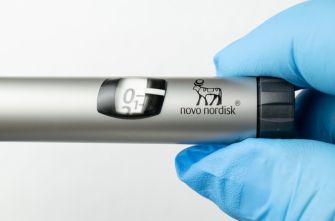
Photo Source: Adobe Stock Image
Novo Nordisk must face part of a securities fraud lawsuit accusing the drugmaker of misleading investors about dosing and tolerability in a late-stage clinical trial for CagriSema, after a federal judge allowed a narrower set of shareholder claims to move forward
U.S. District Judge Robert Kirsch in New Jersey ruled Tuesday that investors had adequately alleged that a Novo Nordisk executive gave them a misleading impression of how patients were being dosed during the company’s REDEFINE 1 obesity trial. Kirsch dismissed several other claims, including allegations based on predictions that CagriSema could produce weight loss of at least 25%
The dispute follows Novo Nordisk’s December 2024 release of results from the 68-week REDEFINE 1 trial, which tested CagriSema in more than 3,400 adults with obesity or overweight and at least one related health condition. CagriSema combines semaglutide, the active ingredient in Wegovy, with cagrilintide, a molecule designed to mimic the hormone amylin
Novo reported average weight loss of 22.7% under an analysis estimating results if participants remained on treatment. A second analysis, which counted participants regardless of whether they remained on treatment or used another weight loss therapy, showed an average reduction of 20.4%. The study met its primary endpoint by showing CagriSema produced greater weight loss than a placebo
Investors had expected stronger results after company executives discussed the possibility that CagriSema could produce weight loss of 25% or more. Novo Nordisk’s American depositary receipts fell 17.8% on Dec. 20, 2024, following the release of the trial results
The shareholder lawsuit, filed in the U.S. District Court for the District of New Jersey, argues that the market also learned important information about the trial’s dosing structure that day. Novo disclosed that REDEFINE 1 used a flexible protocol that allowed participants to modify their doses during the study. After 68 weeks, 57.3% of people receiving CagriSema were taking the highest planned dose
Investors claim earlier statements by Martin Holst Lange, then Novo Nordisk’s executive vice president of development and now its chief scientific officer, suggested that CagriSema was following dosing practices similar to those used in earlier clinical trials. They argue those statements gave the market a misleading picture of the drug’s tolerability because investors did not know participants had greater flexibility to remain on lower doses
Novo Nordisk reported when it released the REDEFINE 1 results that CagriSema appeared safe and well tolerated. The company said the most common side effects were gastrointestinal and that most were mild to moderate and decreased over time
Kirsch found the investors had sufficiently alleged that Lange acted with fraudulent intent when discussing the dosing approach and CagriSema’s tolerability. The ruling does not establish that the statements were fraudulent or that tolerability problems caused participants to remain at lower doses. Those allegations may continue to be litigated as the case proceeds
The lawsuit relies on Section 10(b) of the Securities Exchange Act and SEC Rule 10b-5, which prohibit materially false or misleading statements connected to the purchase or sale of securities. A company does not generally have to disclose every fact it knows. But when a company speaks about a subject, it cannot leave out material information when the omission would make what was said misleading
That distinction is central to the surviving claims. Investors are not merely arguing that Novo Nordisk failed to predict the trial results correctly. They claim statements about dosing and tolerability described an existing part of the clinical trial in a way that was misleading without information about the flexible protocol
Kirsch reached a different conclusion on Lange’s statements predicting “unsurpassed” weight loss of at least 25%. The judge characterized the projection as aspirational and rejected it as a basis for the fraud claim
Federal securities law generally draws an important line between misleading statements about existing facts and forecasts about what may happen later. A prediction that proves too optimistic does not by itself establish fraud. Investors pursuing a securities fraud claim must instead show that a challenged statement or omission met the legal requirements for a material misrepresentation and was made with the required fraudulent state of mind
Kirsch also dismissed claims based on several other alleged statements and omissions, including references to CagriSema as a fixed-dose treatment. The surviving portion of the lawsuit is therefore substantially narrower than the allegations originally brought against the company
CagriSema remains part of Novo Nordisk’s effort to expand beyond Wegovy in the competitive obesity treatment market. The company submitted CagriSema to the U.S. Food and Drug Administration for weight management approval in December 2025, relying on results from the REDEFINE clinical program. Novo has said the FDA is expected to review the application during 2026
The case will proceed in the District of New Jersey on the remaining claims concerning Lange’s statements about CagriSema’s dosing and tolerability
If you found this article insightful, consider sharing it with your network
Bridget Luckey
Bridget studied Communications and Marketing at California State University, Long Beach. She also has experience in the live music events industry, which has allowed her to travel to festivals around the world. During this period, she acquired valuable expertise in branding, marketing, event planning, and public relations.
Related Articles

Novo Nordisk Sues Eli Lilly Over Zepbound and Mounjaro Advertising Claims
Novo Nordisk has sued Eli Lilly over national advertising campaigns for the companies’ competing weight loss and diabetes drugs, alleging that Lilly is misleading consumers by using older clinical trials to claim its treatments are more effective.The lawsuit, filed Tuesday in U.S. District Court in New Jersey, challenges advertisements comparing…
Read
More »
Federal Judge Dismisses Abbott Shareholder Lawsuit Over 2022 Infant Formula Recall
A federal judge in Chicago has dismissed a shareholder lawsuit accusing Abbott Laboratories of misleading investors about problems at the company’s infant formula plant before and after a major 2022 recall, finding that the allegations did not adequately show the fraudulent intent required under federal securities law.U.S. District Judge Steven…
Read
More »

Misleading Text on Medical Device Website Kept Users From Avoiding Arbitration
A medical manufacturer that makes a diabetic monitoring device misled consumers by misrepresenting the nature of the Terms of Use on its website. This deception caused users to avoid clicking on a link that would allow them to avoid mandatory arbitration. A California Court of Appeal ruled the Terms of…
Read
More »

Court Orders Georgia Defendants to Stop Selling Vitamin D Products as Treatments for COVID-19 and other Diseases
Matthew Ryncarz, owner and operator of Fusion Health and Vitality LLC (doing business as Pharm Origins) was halted from continuing to sell Vitamin D products that he claimed were certified treatments for the COVID-19 virus and other diseases. This permanent injunction from the U.S. District Court of the Southern District…
Read
More »
Bristol-Myers Sued for $6.4 billion Due to Alleged Stalling of Cancer Drug to Avoid Payments to Celgene Shareholders.
A new $6.4 billion lawsuit against Bristol Myers Squibb Co (BMY.N) in Manhattan Federal Court accuses the firm of delaying lymphoma cancer drugs to avoid paying Celgene Corp’s shareholders, avoiding a “milestone” payment.
Bristol Myers Squibb, which purchased the drug manufacturer Celgene Corporation in 2019, was slapped with the lawsuit…
Read
More »
