


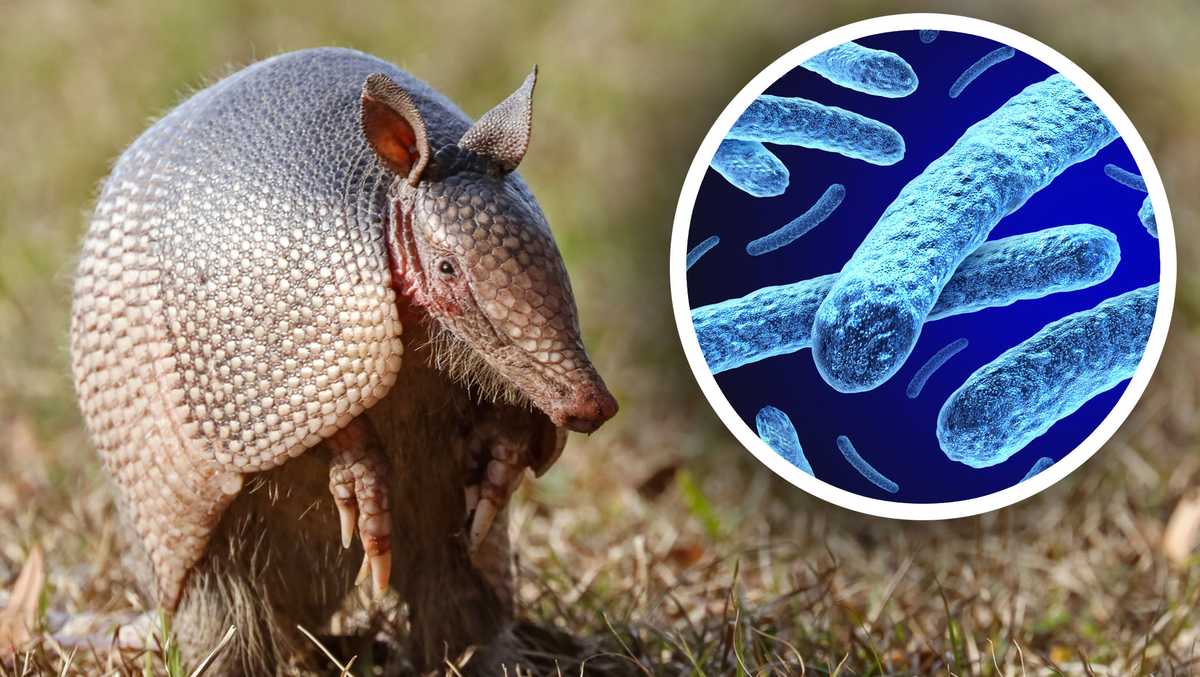
A 4,000-year-old disease is on the rise in Florida. Scientists say armadillos may be to blame
Advertisement
<img src="https://healthylife7.com/wp-content/uploads/2026/07/wyff.png” alt=”WYFF 4 branding logo”>
Updated: 3:04 PM EDT Jul 30, 2026Editorial Standards ⓘ
Brian Wiechert
Digital Editor
A 4,000-year-old disease is on the rise in Florida. Scientists say armadillos may be to blame
Updated: 3:04 PM EDT Jul 30, 2026Editorial Standards ⓘ
Brian Wiechert
Digital Editor
ORLANDO, Fla. —
A 4,000-year-old disease is making a comeback in at least one U.S. state, and officials say armadillos could be to blame
Cases of leprosy, also known as Hansen’s disease, are slowly increasing in Florida
Advertisement
As of July 23, the Florida Department of Health has already reported 17 cases of leprosy statewide in 2026. Thirty-six cases were reported in 2025, up from 20 cases statewide in 2024
Of the 174 cases reported nationwide in 2025, more than 20% occurred in Florida
And even though cases are rising in the state, health officials are not sounding the alarm just yet
“It may be an endemic, a low-level endemic area, but that does not mean there is an outbreak,” said Dr. Naushad Amin, the chief medical officer at Health First in Palm Bay
An endemic disease has a consistent presence in a specific area, while an outbreak is a sudden increase in cases above the expected baseline
What’s causing leprosy?
Health officials point to an unlikely culprit behind some leprosy cases in the U.S
Globally, about 250,000 cases of leprosy are reported each year. According to the Centers for Disease Control and Prevention, most U.S. cases are contracted abroad and brought back home
But some cases are reported in U.S. residents with no international travel
Several cases in the southern U.S. were likely contracted from armadillos, the CDC says
Leprosy is caused by the bacterium Mycobacterium leprae. Nine-banded armadillos — common throughout Florida and much of the South — can carry the bacterium and pass it to humans
A 2015 study found that in some areas, 15 to 20 percent of armadillos carry the Mycobacterium leprae bacteria
The nine-banded armadillo often searches for insects by digging in flowerbeds and may rest in burrows beneath patios. Experts say the risk of catching leprosy is low, but people could be exposed through direct contact with infected armadillos or by disturbing areas where infected animals have been present
Health officials recommend people avoid close contact with armadillos. People who garden or work in soil where armadillos are active should wear gloves and long sleeves as an added precaution
Why armadillos?
Armadillos are the only known animal other than humans to naturally carry the bacteria that causes leprosy
But why armadillos? Researchers believe armadillos are natural carriers of leprosy because their low body temperature — about 90 degrees — creates an environment where the bacteria can survive, according to the Smithsonian
And scientists say armadillos may be the real victim here. Humans may have actually transmitted leprosy to them hundreds of years ago, scientists say, but armadillos rarely live long enough to be seriously impacted by the disease
What is leprosy?
Leprosy is a bacterial infection that mainly affects the skin and nerves. If it isn’t treated, it can cause permanent nerve damage and disability. But today, it’s curable with a combination of antibiotics
“It is completely curable with the modern medication that we have,” said Amin
And according to health experts, it’s actually pretty difficult to spread
“It’s spread primarily by respiratory droplets such as sneezing, coughing, with prolonged exposure,” Amin said. “So, say if somebody is infected, just by sitting with them, shaking their hands, sharing meals does not confer transmission of the infection. It is prolonged, household, for many months to years.”
Make WYFF4 a preferred source on Google
Add Preferred Source
