Karla Renic
UpdatedThu, July 30, 2026 at 4:22 p.m. UTC
9 min read
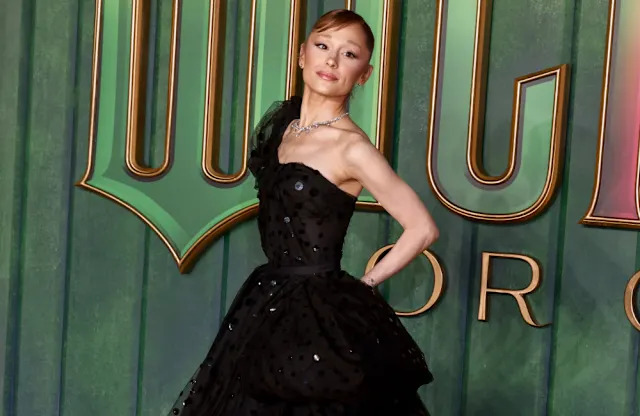
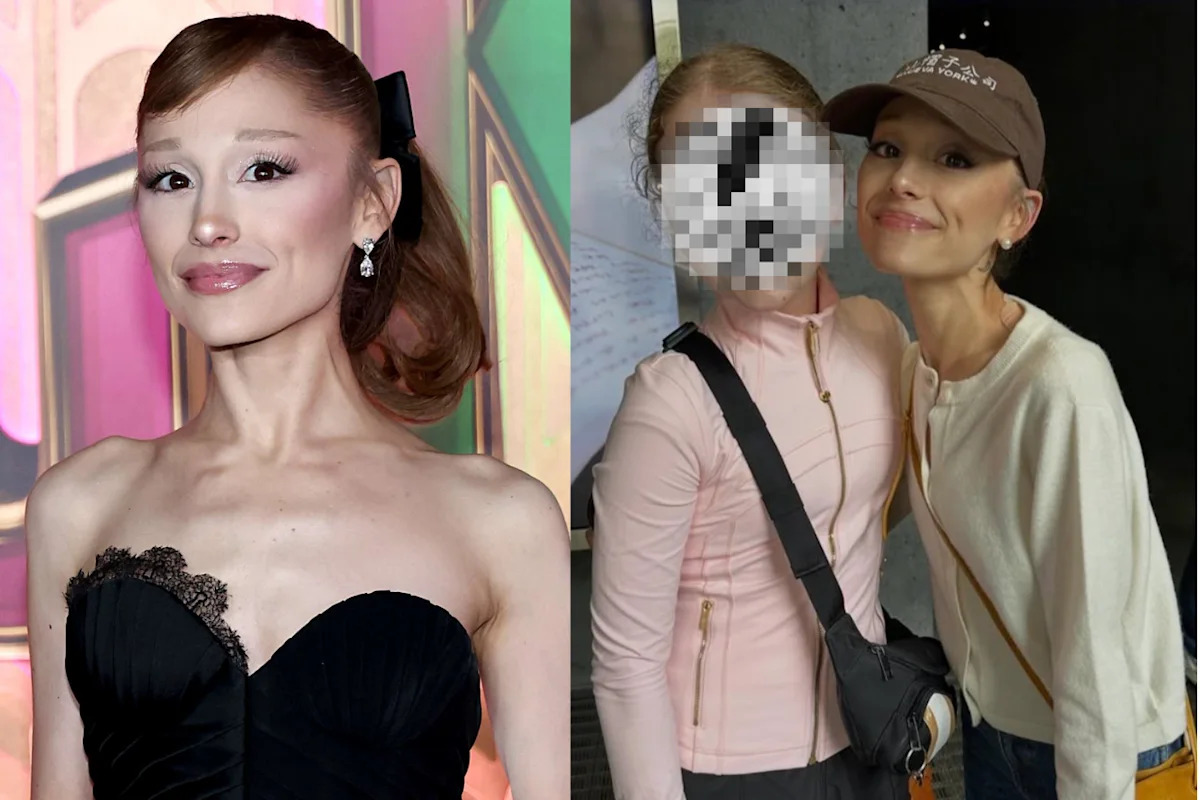
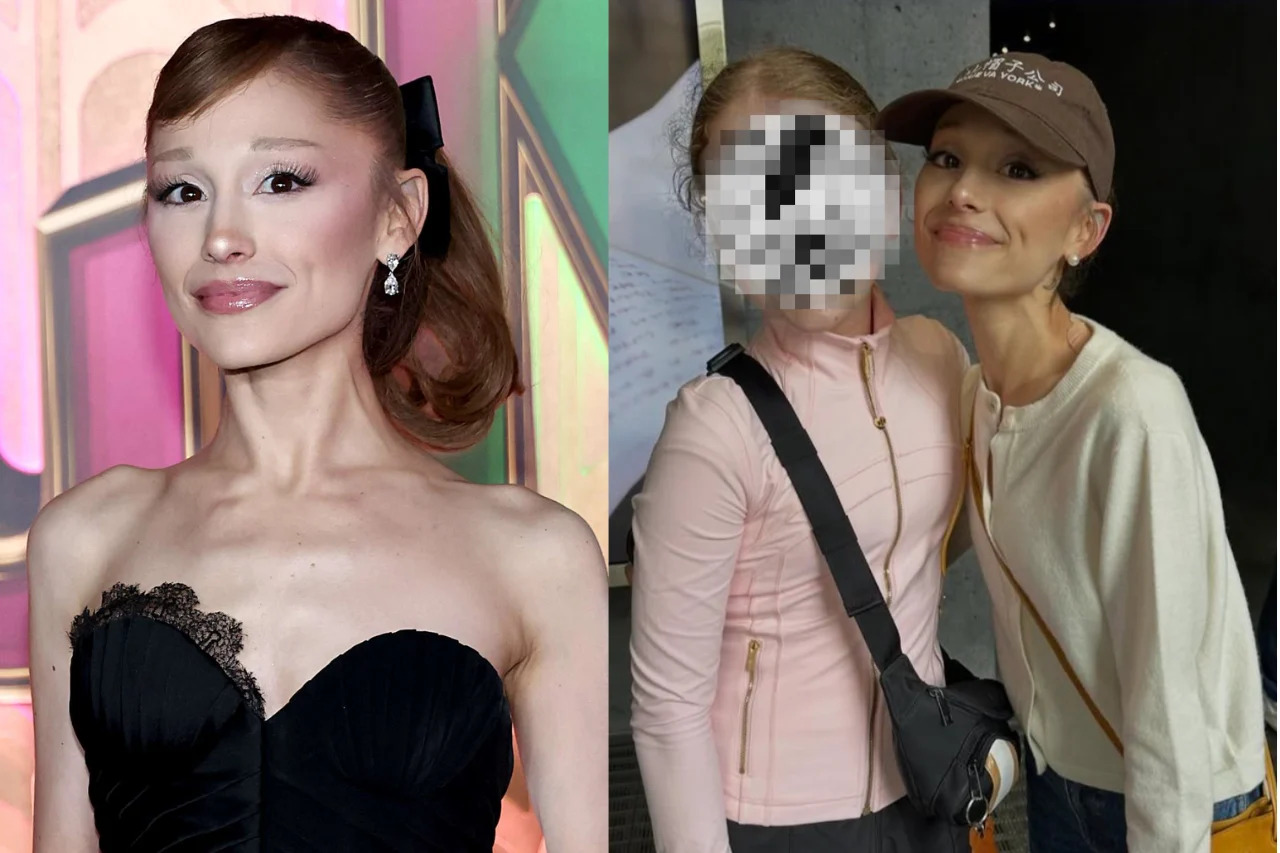
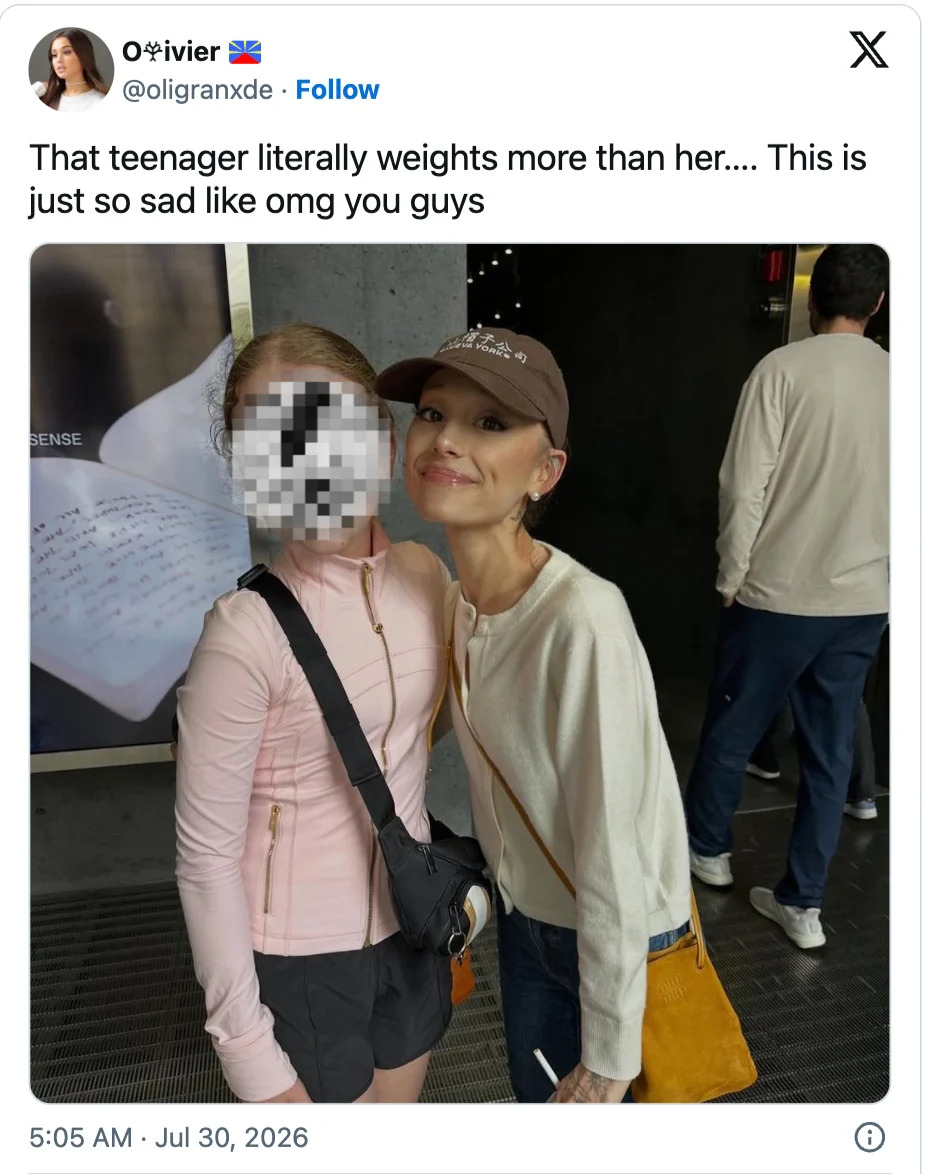
Ariana Grande is trending on social media — not necessarily for her music, but for her appearance. A recent photo of the 33-year-old star posing with a young fan sparked a viral conversation on X (formerly Twitter) about the singer’s weight
“That teenager literally weighs more than her,” someone captioned a post that included the photo. “This is just so sad, like OMG you guys.”
The post earned more than 14,000 likes and prompted some fans to share their concern over the 5′ 2″ singer’s health
“She has a clear eating disorder,” someone speculated. “Hope she gets the help she needs.”
Some fans scolded others for suggesting Grande is in poor health and for commenting on her body. Body shaming at any size, some noted, is not helpful or productive
“It’s sad that when you actually show concern for Ariana, you get hated on and called out for apparently body shaming her by some of her hardcore fans who won’t admit that she’s not healthy,” someone added
Grande has not addressed eating disorder concerns directly, but has previously asked the public to avoid commenting on her physical appearance
Real Talk: Taboo!is turning up the volume on the issues and challenges many of us experience — but are too embarrassed to talk about
“I think in today’s society, there’s a comfortability that we shouldn’t have at all commenting on others’s looks [and] appearance, what they think is going on behind the scenes or their health or how they present themselves,” the singer and actress told French journalist Sally (Salima Jeanne Poumbga) last year. “From what you’re wearing to your body to your fave to everything, there’s a comfortability that people have commenting on that that I think is really dangerous, and it’s dangerous for all parties involved.”
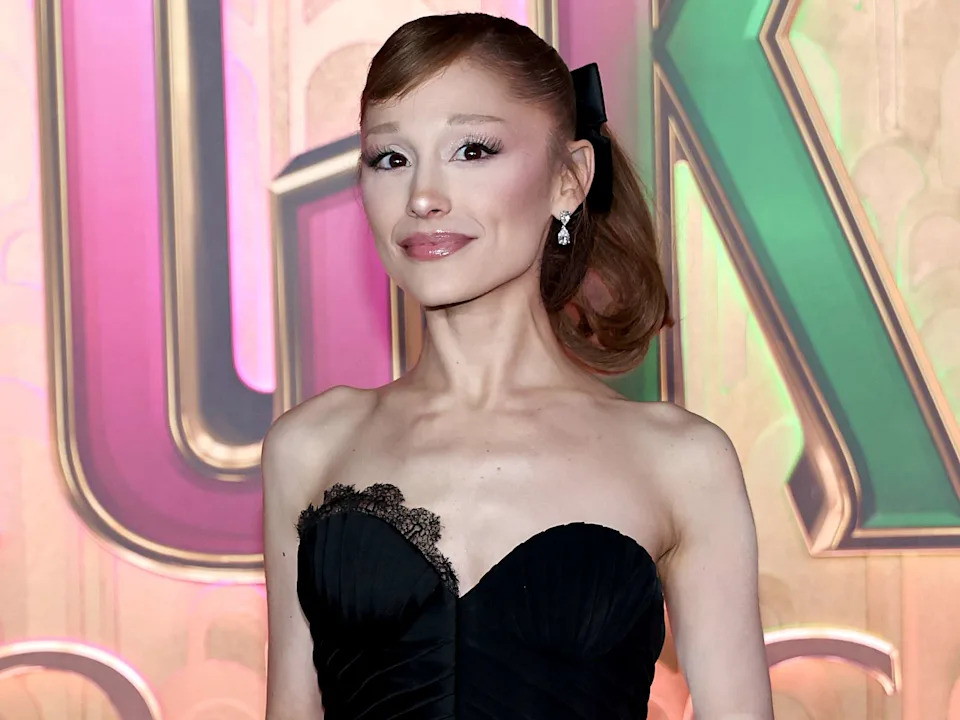
We shouldn’t be commenting on Grande’s body. But the reason conversations about her weight won’t die is because it’s not really just about Grande. At least, not entirely
Over the last few years, there has been a visible shift in celebrity culture. Red carpets look smaller, Instagram feels thinner and GLP-1 medications like Ozempic have moved from medical treatment to everyday conversation, advertising, memes and dinner-table speculation
Health Canada has said the use of GLP-1 receptor agonists has been increasing, with about 7.1 million prescriptions dispensed in 2023. IQVIA listed Ozempic as the third-most dispensed drug in Canada in 2024, with an estimated 7.39 million prescriptions
This article is for informational purposes only and is not a substitute for professional medical advice, diagnosis or treatment. Contact a qualified medical professional before engaging in any physical activity, or making any changes to your diet, medication or lifestyle
So no, people are not imagining that the conversation around weight has changed. The harder question is: How do we talk about that without turning one woman’s body into public evidence?
Noticing a pattern is not the same as diagnosing a person
Lucie Vallée, a body image therapist who practices in France, posted about the Grande discourse after repeatedly seeing it in her social media feed
“I think we need — we have a duty — to talk about the pressure to become thin that we’re seeing right now,” Vallée told Yahoo Canada. “And also doing that in a way that we’re not shaming Ariana Grande individually as a woman who herself is navigating the same toxic environment we’re all navigating.”
That distinction is the whole point
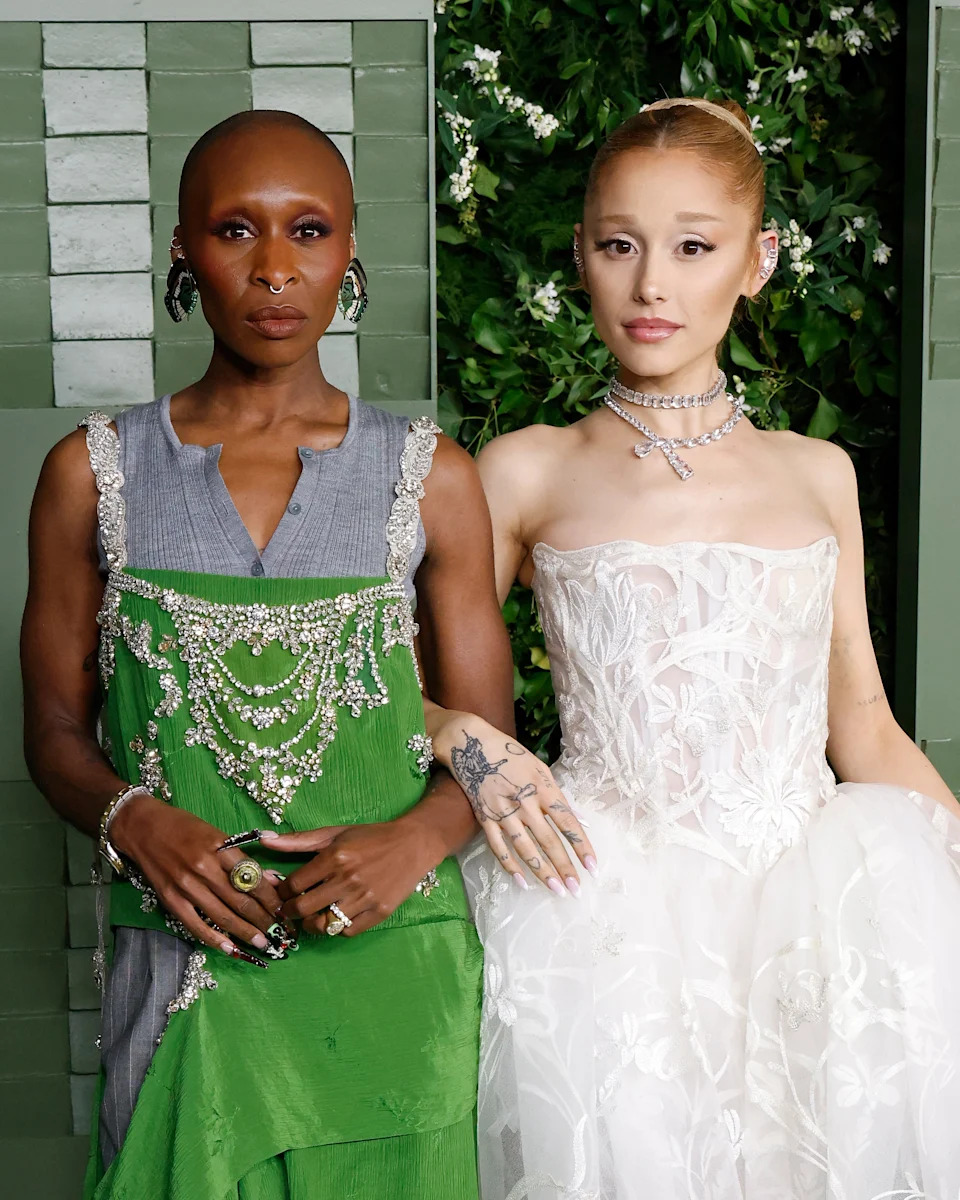
There is a difference between talking about a cultural trend and speculating about someone’s health. One asks: Why does thinness seem to be rewarded again? The other asks: What is wrong with her?
The internet tends to collapse those two questions into one
A conversation about beauty standards can become a zoomed-in analysis of a woman’s arms, face, collarbone, waist, dress size or perceived energy. Often, it’s framed as concern. But concern can still become surveillance
Vallée said it’s valid to discuss “a cultural movement, cultural pressure, trends” at the macro level. What isn’t appropriate, she noted, is talking about an individual woman and “what we’re inferring about her medical state, her health.”
“We are not her,” she said. “We don’t know if she’s healthy. No one knows, and it’s not our job to talk about that.”
Why ‘I’m just concerned’ can still be harmful
Ary Maharaj, M.Ed., RP, team lead of community education at the National Eating Disorder Information Centre, said one issue with public body commentary is that the person being discussed may never hear it — but the people around you will
“The celebrity themselves are never going to hear those comments, probably,” Maharaj told Yahoo Canada. “But the people around you who might live with similar bodies or might be going through similar health challenges … hear that.”

That matters. When we talk about a celebrity’s body, we are also telling everyone around us what kind of bodies we see as acceptable, suspicious, admirable or alarming
Maybe your friend in eating disorder recovery hears it. Maybe your niece hears it. Maybe your co-worker who has lost weight because of grief, medication, illness or stress hears it. Maybe someone in a body you’ve decided is “concerning” hears the way you talk when you think the person is too famous to count
When we comment on a person’s body, we’re creating a culture of surveillance. Saying like, ‘I’m watching you, I’m noticing how your body’s moving, fluctuating’ — that harms everyone
Maharaj said those comments can make people wonder whether you are safe to talk to about food, eating, health or body image
That doesn’t mean concern is always wrong. If someone close to you seems to be struggling, that is a real conversation. But there is a big difference between a private, caring check-in and a public post about a stranger
“I don’t know if speculating out of concern on social media is ever something societally useful,” Maharaj said
Eating disorders don’t have a ‘look’: Experts
Part of the problem is that people often treat bodies like evidence
Thinness becomes proof of illness. Weight gain becomes proof of “letting yourself go.” Weight loss becomes proof of discipline, medication, disorder, stress, vanity or health, depending on what the viewer wants to project
But bodies are not that simple

NEDIC’s responsible media guidance has warned against language that links celebrity weight loss or gain with eating disorder labels, because eating disorders do not have one specific “look.” Someone can be struggling in a smaller body, a larger body or a body that hasn’t visibly changed at all
That point is especially important in Canada, where NEDIC estimates that, at any given time, between 908,000 and 1.9 million people have symptoms sufficient for an eating disorder diagnosis. Statistics Canada has also found a connection between frequent social media use and elevated eating disorder symptoms among adolescents aged 12 to 17
This is not just celebrity gossip. It lands in a culture where many people already have complicated relationships with food, weight and their bodies
But can we talk about the return of thinness?
This is where the conversation gets uncomfortable
Because saying “don’t comment on women’s bodies” can start to feel like saying “don’t talk about the system at all.” And that doesn’t work either
If we say we’re not allowed to talk about these bodies, it means we’re not allowed to push back
Celebrity bodies are private bodies, but they are also used in public marketing. They sell movies, music, perfume, fashion, aspiration and fantasy. That doesn’t mean celebrities deserve to be picked apart. It does mean the industries around them deserve scrutiny
There has to be room to ask why thinness seems louder again. Why wellness language so often repackages old diet culture
“Who benefits from you feeling confused or stuck or sad about how you’re supposed to look, or how you want to eat?” Maharaj questioned
But the target matters
Grande does not owe the public an explanation for her body. No woman does. At the same time, culture owes us an explanation for why women’s bodies keep becoming the place where every anxiety gets projected
Those two things can be true at once
What does a better conversation look like?
A better conversation is not silence, but it’s also not speculation
It means talking about industries, algorithms, casting rooms, fashion brands, beauty standards, advertising and the money made from making women feel wrong in their bodies. It means asking who benefits when women collectively feel too big, too soft, too old, too hungry or too visible
It also means being honest about images. Vallée pointed out that photos have power, especially for people who are in eating disorder recovery, teenagers or anyone vulnerable to body comparison. Repeating the same images over and over can reinforce the very ideal the conversation is supposedly critiquing
Maharaj offers a simple pause point before posting: ask what the purpose is
What are we doing here? What’s the purpose of this? Who are we serving when this is happening?
That may be the best test
If the point is to shame a woman, don’t post it. If the point is to diagnose her, don’t post it. If the point is to prove your concern, maybe still don’t post it
If the point is to question why thinness feels so culturally powerful again, aim higher
Talk about the system. Not one woman’s body
In the meantime, if this conversation is triggering, both experts advised cleaning up your social feeds: Unfollow accounts that share triggering images
If you or someone you know is struggling with body image, eating or exercise concerns, support is available through the National Eating Disorder Information Centre at nedic.ca or 1-866-NEDIC-20
Let us know what you think byemailing usor threading us@yahoocanada. Follow us onTikTok,WhatsAppandInstagram