



Advertisement
News|Articles|August 1, 2026
Beyond the Itch: Skin Allergies as a Chronic Care Journey
Author(s)Joanna Robson, DVM, MS
Fact checked by:Caitlin McCafferty, Content Producer
Contextualizing clinical decision-making by integrating pet parent and pet factor considerations
Advertisement
This content is sponsored by Nationwide
Few conditions test the endurance of veterinary teams and pet families like allergic skin disease. Although often labeled “manageable,” skin allergies are among the most persistent and complex chronic conditions seen in companion animal practice. For many dogs, and for some cats, this is not a single diagnosis or treatment event, but a long-term journey marked by flareups, treatment adjustments, and evolving expectations
The impact of this chronicity is felt across every layer of care. Pets expe-rience discomfort, pruritus, secondary infections, and disruptions in quality of life. Pet parents face ongoing costs, treatment fatigue, emotional stress, and the challenge of balancing care with daily life. Veterinary teams shoulder the time investment of rechecks, diagnostics, expectation management, and di cult conversations over months or years. Together, these realities make skin allergies an ideal condition through which to consider a broader, more intentional “spectrum of care” approach—one that integrates medical evidence, client circumstances and preferences, and pet advocacy factors into clinical decision-making.
Claims trends reflect what clinicians already know
With skin allergies, high case frequency, repeat visits for the same patient, and escalating or shifting therapies over time are familiar patterns to veterinary professionals. These clinical experiences are echoed at the population level in pet insurance claims data, which provides a useful statistical reflection of daily practice experiences
According to Nationwide® pet insurance claims insights, allergic skin disease has consistently ranked as the most common claim condi-tion submitted for dogs for more than 14 years, highlighting both prevalence and persistence — patterns that help practices justify proactive education, structured follow-up, and long-term care planning for these cases. In cats, skin related conditions also appear regularly among the top 10 health conditions claims submitted, rein-forcing that dermatologic disease is not limited to one species or life stage. Acute cost within the first 30 days of diagnosis for canine skin allergies is $301+, tripling to roughly $902++ for 12 months. Multiply this cost across the lifespan of the pet, and chronic skin allergies treatments add up. Claims trends do more than reflect commonality, underscoring the cumulative medical, financial, and emotional load carried by allergic patients and their families over time.’
The takeaway is clear. Skin allergies are not “minor medicine.” They require sustained engagement, structured and empathetic communication, and long-term planning—making them well suited to a spectrum of care approach
Why allergic skin disease demands a spectrum of care approach
A spectrum of care approach allows us to meet pet families where they are by providing a range of evidence-based medical options, contextualized to pet parent expectations, rellergies exemplify why this framework matters
Teams already know management is rarely one-size-fits-all. Most patients require multi-modal plans that may include diagnostics, various therapeutics, environmental management, and ongoing reassessment. Even when two pets share a diagnosis, their care paths may differ significantly based on temperament, caregiver capacity, financial re
Opportunities for communication and intervention occur at every life stage — before disease develops, at fi rst presentation, and throughout chronic management. Consistent education and expectation-setting across these stages improves adherence and reduces frustration for both clients and teams
Supporting conversations beyond the exam room
Because allergic disease unfolds over time, tools that reinforce messaging outside the exam room can be especially valuable. Educational platforms such as the Nationwide® Pet HealthZone® complement clinical conversations by reinforcing consistent messaging between visits, giving pet parents reliable, science-based information they can revisit at their pace, and reducing the need to re-explain chronic disease at each recheck
For chronic conditions like allergies, where treatment plans evolve and fl ares are expected, having consistent, veterinarian-aligned education can reduce message drift and prevent unrealistic expectations. Information on breed predispositions and lifestage risks help normalize chronic management early. Claims cost insights can also support transparent financial conversations and reinforce why treatment plans evolve over time. When exam room guidance and at-home information are aligned, expectations tend to be clearer and adherence is more achievable, leading to better health outcomes.
Early conversations matter
Advertisement
For breeds with known predispositions, like bulldogs, boxers, and retrievers, early discussions during puppy visits can be particularly impactful. Addressing the potential for allergic disease, early warning signs, and long-term management helps reduce surprise if symptoms develop later. At this stage, introducing pet insurance options like Nationwide before disease onset may also help families better prepare for chronic care decisions down the line, allowing veterinary teams to recommend long-term care plans without having to alter care at each financial transaction point.
First presentation: setting the tone
Initial visits for ear or skin infections often represent the first signal of emerging allergic disease. Alongside diagnostics and treatment, this visit is a critical moment to frame expectations. Some patients will resolve completely; others may respond partially or relapse once medications are withdrawn. Naming this uncertainty early helps normalize future recommendations and rechecks
Chronic management: revisiting goals over time
For patients with seasonal or nonseasonal disease, longterm management focuses on minimizing flareups, maintaining comfort, and supporting quality of life . As circumstances change—aging pets, evolving family routines, financial shifts—care plans should be revisited and adjusted accordingly
The pet parent factor: preferences, barriers, and education
While allergic disease affects the patient, its management lives largely in the pet parent’s world. Budget, time, health literacy, convenience, and emotional bandwidth all influence outcomes
Research conducted by Nationwide and Rehavior in 2023 identified three common pet parent care preference profiles. While clinical empathy is essential to all groups, specific preferences emerged:
- Cost-focused families seek affordable options to provide the best care for their pet without fear of judgment
- Convenience-oriented pet parents value fewer visits, simpler treatment regimens, or telehealth options
- Choice-driven pet parents want to understand all care options, including referral, before deciding on a care plan for their pet
Understanding where a pet parent falls along this spectrum can efficiently guide how recommendations are framed and prioritized. Nationwide pet insurance can reduce cost-driven hesitations by providing financial support during high stress situations to focus more on what works best for their schedule or logistics, and supports choice-driven pet parents in choosing the best approach for their pet including specialist referrals. In this way, insurance can be framed as a valuable tool within a broader spectrum of care discussion, tailoring pet protection to align with each family’s goals and circumstances.
Pet advocacy considerations
Pet specific factors are equally important and sometimes underestimated. Travel stress, anxiety, reactivity, comorbidities, and tolerance of handling all influence treatment feasibility. Is bathing realistic? Are topical therapies tolerated? Will oral medications compromise adherence or quality of life—particularly in cats—or would longer-acting injectables improve outcomes? Even decisions about telehealth versus in-person rechecks can significantly affect stress and outcomes
Quality of life trade-offs matter. Seemingly small questions such as “How are you giving the pills?” or “What happens on busy days?”can have meaningful clinical implications over time
Supporting health literacy
We all recognize that clear communication is essential. Written instructions alone may not be sufficient to support pet parent understanding; verbal reinforcement, teach-back techniques, short videos, or trusted online re. Ensuring pet parents understand the difference between short-term control and long-term management helps align expectations and reduce frustration
Financial conversations and chronic care planning
Cost remains central to decision-making in allergic disease. When financial discussions are introduced early and revisited honestly, they can support adherence rather than derail it. While most pet insurance does not cover pre-existing conditions, conversations before disease onset can reduce long-term fi nancial friction and allow recommendations to be guided by medical need rather than assumptions about affordability. Over time, coverage like Nationwide pet insurance can help offset the cumulative costs of chronic conditions like skin allergies, allowing families and veterinary teams to focus on long-term comfort and quality of life rather than episodic care. Nationwide pet insurance helps make chronic care plans sustainable, supporting adherence, reducing treatment disruption, and preserving shared decision-making and patient comfort.
Practical takeaways for veterinary teams
- Treat allergic skin disease as a chronic care journey, not an episodic problem
- Incorporate data-informed educational tools like the Nationwide Pet HealthZone that reinforce messaging beyond the exam room
- Adapt care plans as pets, families, and circumstances evolve
Across the many layered skills it takes to practice medicine, allergic skin disease remains one of the most demanding conditions in companion animal practice. A spectrum of care approach that balances evidence-based medicine with pet parent realities and pet advocacy considerations offers a path forward. By reframing skin allergies as a long-term journey and supporting pet parents with consistent education, thoughtful communication, and adaptable tools, veterinary teams can shift allergy care from reactive to sustainable.
Nationwide supports this work through claims insights and educational reare planning, helping offset chronic care costs while supporting veterinary teams, pets, and families as they navigate chronic conditions together
- Bautista-Alejandre A. Skin allergies rank among the most common conditions in dogs and cats, pet insurance data shows. dvm360. Published August 11, 2025. Accessed May 6, 2026. https://www.dvm360.com/view/skin-allergies-rank-among-rank-among-the-most-common-conditions-in-dogs-and-cats-pet-insurance-data-shows
- Kleven L. What is most likely to send your pet to the veterinarian? Nationwide. https://news.nationwide.com/what-is-most-likely-to-send-your-pet-to-the-veterinarian/?utm_source=prn
- Miller J, Simpson A, Bloom P. 2023 AAHA management of allergic skin diseases in dogs and cats guidelines. J Am Anim Hosp Assoc. 2023;59(6):255-284. doi:10.5326/JAAHA-MS-7396+
Advertisement
Related Content
Advertisement

How openness and vulnerability can strengthen veterinary teams
ByAnita Patel, DVM,Abi Bautista-Alejandre, Assistant Editor
July 31st 2026

Weekly Vet Report: Can pets spread Cyclospora? Plus, the link between gait and canine cognition
ByAbi Bautista-Alejandre, Assistant Editor
July 31st 2026

Wrap up: The pet insurance gap persists even as enrollment grows, and other news
ByCaitlin McCafferty, Content Producer
July 31st 2026

Q&A: SGLT2 inhibitors in feline diabetes and what to know about blood ketones, DKA, diet, and monitoring
ByAbi Bautista-Alejandre, Assistant Editor,Ellen N. Behrend, VMD, MS, PhD, DACVIM
July 30th 2026

The next casualty of the overdose crisis could be wildlife conservation
ByAjay Sawant
July 30th 2026
Latest CME

Is Premises Flea and Tick Control Still Needed?
0.5 CE Credit Hour / Veterinarians & Veterinary Technicians

Effective Cardiac Auscultation: What are You Hearing?
1.0 CE Credit Hour / Veterinarians & Veterinary Technicians

Treating Diabetes in Dogs and Cats: How to Get Started on the Right Foot
0.5 CE Credit Hour / Veterinarians & Veterinary Technicians

Ultra-Easy Ultrasound: Handheld Diagnostic Imaging for Picture-Perfect Outcomes – Case Studies
0.5 CE Credit Hour / Veterinarians & Veterinary Technicians

Strategically Planning How to Set Up Your Finances for a Banner Year
0.5 CE Credit Hour / Veterinarians & Veterinary Technicians

4 Hidden Financial Problems Veterinarians CAN Find & Solve
0.5 CE Credit Hour / Veterinarians & Veterinary Technicians

Do You Know JAK? How Janus Kinase Inhibitors Work and how They have been Game Changers for the Treatment of Canine Atopic Dermatitis
0.5 CE Credit Hour / Veterinarians & Veterinary Technicians

Early Diagnosis, Staging, and Management of CKD
1.0 CE Credit Hour / Veterinarians & Veterinary Technicians

Perfect Timing: protecting dogs from tick-borne infections
1.0 CE Credit Hour / Veterinarians & Veterinary Technicians
View more
<a href="https://ce.dvm360.com/courses/all-things-allergies-from-nose-to-tail-and-ear-to-paw-1?utm_source=dvm360&utm_medium=article&utm_campaign=cmeDeck” rel=”nofollow noopener” target=”_blank”>
On-Demand Webinar
All things allergies! From nose to tail and ear to paw
1.0 CE Credit Hour / Veterinarians & Veterinary Technicians

Maximize the Value of Your Multi-DVM Practice in Today’s Selling Landscape
1.0 CE Credit Hour / Veterinarians & Veterinary Technicians

Chronic Pain Management: Looking beyond NSAIDs
0.5 CE Credit Hour / Veterinarians & Veterinary Technicians

5 Ways to Build Better Patient-Client Relationships With AI: Strengthening Care and Connection in Veterinary Practice
0.5 CE Credit Hour / Veterinarians & Veterinary Technicians

Mastering Atopic Dermatitis: Multimodal Management for Holistic Control
1.0 CE Credit Hour / Veterinarians & Veterinary Technicians

Save More Teeth with ReGum Vet
0.5 CE Credit Hour / Veterinarians & Veterinary Technicians

Flex Your Veterinary Skills: Mastering Joint Health with Flexadin
0.5 CE Credit Hour / Veterinarians & Veterinary Technicians

Veterinary Professional Liability- Common Claim Drivers
0.25 Credit Hour / Veterinarians & Veterinary Technicians
Managing Canine Atopic Dermatitis in 2024
0.5 CE Credit Hour / Veterinarians & Veterinary Technicians

How to Become a STELFONTA® (tigilanol tiglate injection) SUPERSTAR: Part 1 of 4
1.0 CE Credit Hour / Veterinarians & Veterinary Technicians
How to Become a STELFONTA® (tigilanol tiglate injection) SUPERSTAR: Part 2 of 4
1.0 CE Credit Hour / Veterinarians & Veterinary Technicians

Advances in Feline Perioperative Pain Management
0.5 CE Credit Hour / Veterinarians & Veterinary Technicians
Photochemical Laser Therapies and Case Studies
1.0 CE Credit Hour / Veterinarians & Veterinary Technicians
Old Dogs, Fat Cats: Perioperative Pain Management in the Geriatric and Obese Patient
1.0 CE Credit Hour / Veterinarians & Veterinary Technicians

2024 AHS Canine Guidelines Update
1.0 CE Credit Hour / Veterinarians & Veterinary Technicians

Chat FecalGPT? Using AI for Revolutionary Parasite Diagnostics and Prevention
0.5 CE Credit Hour / Veterinarians & Veterinary Technicians

Modulating Immunity: Mushrooms, Oats, and Colostrum
1.0 CE Credit Hour / Veterinarians & Veterinary Technicians

Paws and Reflect: Transforming Pet Health with Nutrition for Obesity, GI, and Urinary Tract Wellness
1.0 CE Credit Hour / Veterinarians & Veterinary Technicians

Safety Shows Respect: OSHA compliance as a way to boost morale and bond teams
0.5 CE Credit Hour / Veterinarians & Veterinary Technicians

The Heart of the Matter: Managing complex congestive heart failure
1.0CE Credit Hour / Veterinarians & Veterinary Technicians

Creating a Calmer Clinic
1.0 CE Credit Hour / Veterinarians & Veterinary Technicians

Puppy Socialization or Infectious Disease Prevention – Can’t We Have Both??
1.0 CE Credit Hour / Veterinarians & Veterinary Technicians

Four Tactics That Make Financial Failure Virtually Impossible
0.5 CE Credit Hour / Veterinarians & Veterinary Technicians

Cobalamin Status in Patients With Chronic GI Disease and Management
1.0 CE Credit Hour / Veterinarians & Veterinary Technicians

Why 2+DVM Practices Are at Risk Today: Myths Guide Many Decisions…Not FACTS!
1.0 CE Credit Hour / Veterinarians & Veterinary Technicians

Chronic Disease Management in Practice: Enhancing Care Through Personalized Recommendations
1.0 CE Credit Hour / Veterinarians & Veterinary Technicians

Make or Break: How the Right Mentorship Program Can Define Your Veterinary Career
0.5 CE Credit Hour / Veterinarians & Veterinary Technicians

Can I help my client’s Cruciate Ligament-Deficient dog when TPLO/TTA isn’t an option?
1.0 CE Credit Hour / Veterinarians & Veterinary Technicians

The Role of JAK Inhibitors in Treating Pruritus Associated with Allergic and Atopic Dermatitis in Canines
0.25 Credit Hour / Veterinarians & Veterinary Technicians

That’s not my job!: Practical solutions for workplace toxicity
1.0 CE Credit Hour / Veterinarians & Veterinary Technicians

From Diagnosis to Lifelong Care: Advancing Feline Chronic Kidney Disease Management
1.0 CE Credit Hour / Veterinarians & Veterinary Technicians

Suture Basics and Applications
0.5 CE Credit Hour / Veterinarians & Veterinary Technicians

Senior Renal Care/CKD: Early Diagnosis and Slowing Progression with a Multimodal Approach
1.0 CE Credit Hour / Veterinarians & Veterinary Technicians

Save More Teeth with ReGum Vet Podcast
25 CE Credit Hour / Veterinarians & Veterinary Technicians
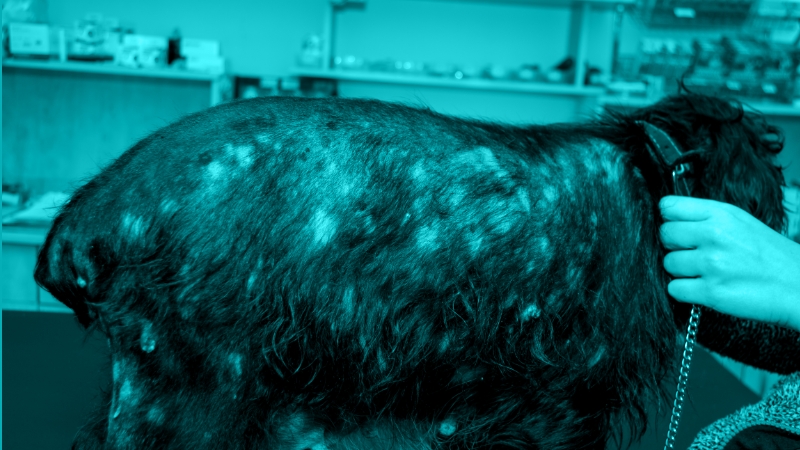
A Modern Approach to Canine Atopic Dermatitis: is there a better way?
1.0 CE Credit Hour / Veterinarians & Veterinary Technicians

Feline Fine: The Value of Wellness Testing and Parasite Prevention in Cats
0.25 Credit Hour / Veterinarians & Veterinary Technicians
View more
Advertisement
Advertisement
Trending on dvm360
1
Weekly Vet Report: Can pets spread Cyclospora? Plus, the link between gait and canine cognition
2
US pet insurance enrollment increased 9% in 2025, but more than 95% of cats and dogs remain uninsured
3
The next casualty of the overdose crisis could be wildlife conservation
4
How openness and vulnerability can strengthen veterinary teams
5
