


How to find a top-rated dentist to protect your oral health and lower <a href="https://healthylife7.com/precision-medicine-brings-hope-for-rare-disease-care/” title=”Precision Medicine Brings Hope for Rare Disease Care”>disease risks
byKevin Brasler, Executive Editor, Checkbook.org
Sat, August 1, 2026 at 8:30 AM
 3VIEW ALL PHOTOS
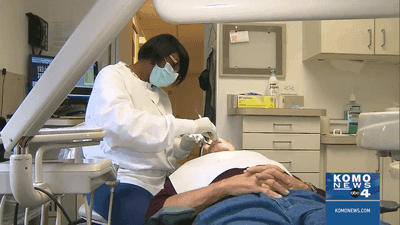
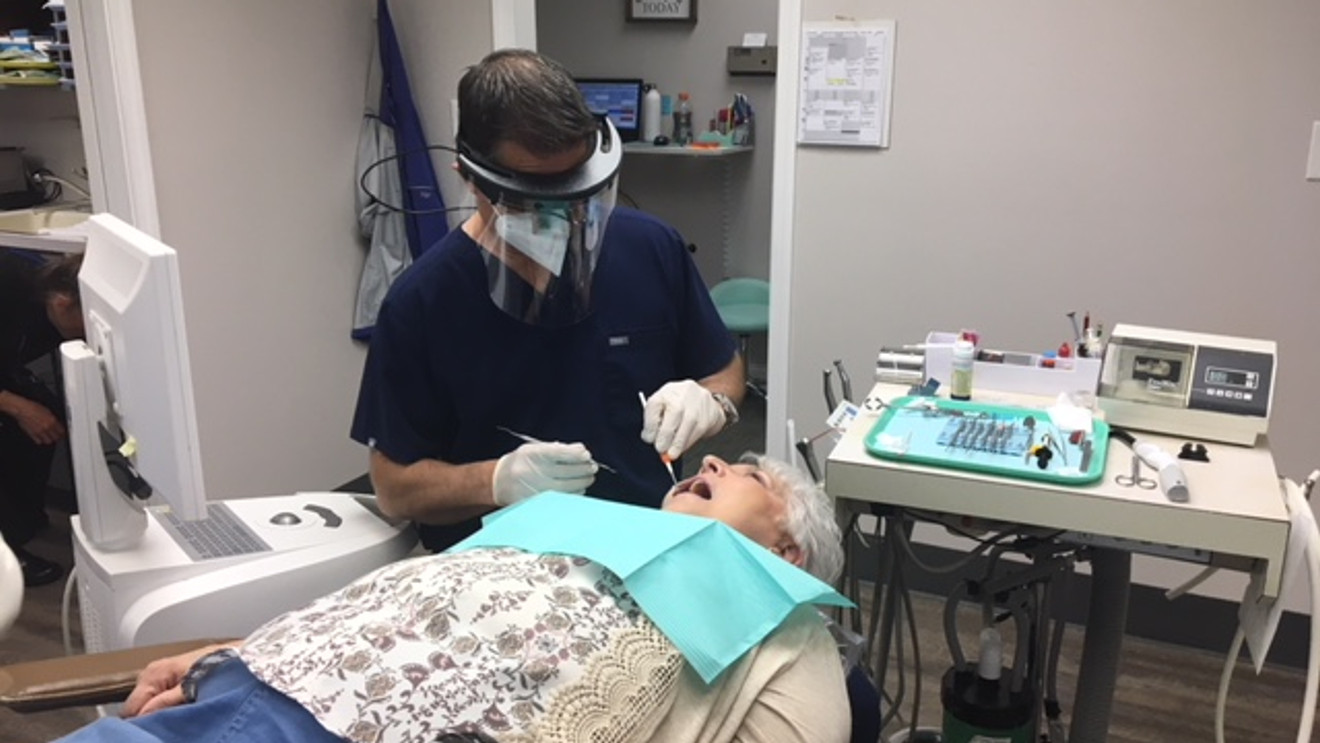
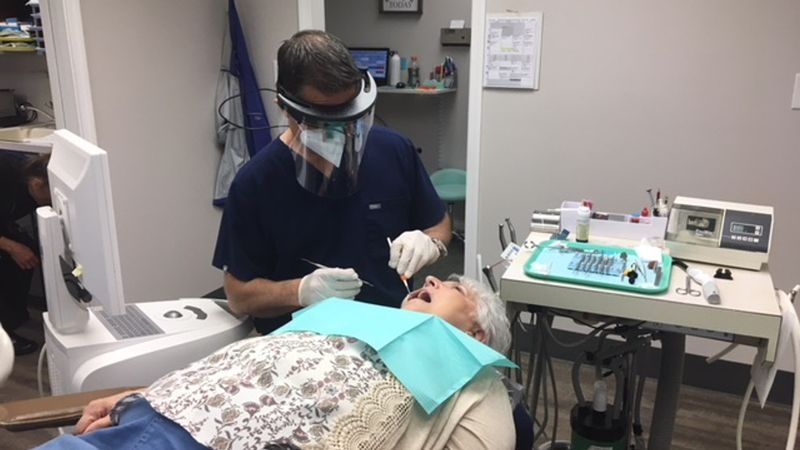
Dr. Douglas Sheets works on cleaning teeth of a patient at his Federal Way dentistry. (KOMO Photo)
SEATTLE —Chomping your favorite grub. Flashing your killer smile during a Zoom meeting or a get-together. Opening plastic packaging that defies fingers
There are myriad reasons to keep our teeth feeling and looking good, including boosting your overall physical and mental health. If you don’t have a top dentist, finding one should be at the top of your healthcare agenda
ALSO SEE | Woman required emergency surgery after fake dentist attached veneers with nail glue
Most dentists receive very high ratings from their patients, but there are differences
Many dentists were rated “superior” (as opposed to “inferior” or “adequate”) for “overall care and service quality” by more than 95 percent of their surveyed patients. In contrast, some dentists received such favorable ratings from 65 percent or fewer of surveyed patients
Checkbook is offering free access to its unbiased ratings of 244 Puget Sound area dentists for quality and price to KOMONews.com readers
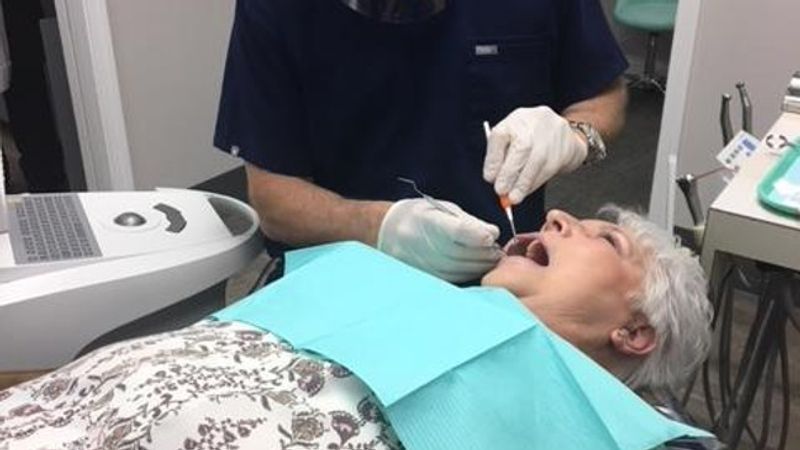
Dr. Douglas Sheets works on cleaning teeth of a patient at his Federal Way dentistry. (KOMO Photo)
Unfortunately, when we asked patients about “keeping costs down,” scores dropped considerably. For example, on average, 89 percent of patients rated their dentists “superior” for “producing the results you expect,” but the average percent rating was only 58 percent for our question on “keeping costs down.”
If you don’t carry dental insurance, you need to check prices. Checkbook’s undercover shoppers found big fee differences among local dental practices. For example, fees for a routine examination and cleaning ranged from about $182 to more than $334, and charges for a new porcelain crown for an adult molar, including post and core, ranged from $1,600 to more than $2,650
Ask about specials and discounts. Some practices will offer specials on certain procedures. Others advertise low-priced packages for new patients. Some will offer discounts to special groups, such as senior citizens, students, fire or police professionals, and more
You don’t have to forsake quality to use a dentist who charges low fees. Checkbook found many dentists who receive high ratings for patient care also charge below-average fees
More important than anything the dentist can do for your mouth is what you can do for yourself. Your dentist or hygienist should thoroughly explain proper brushing and flossing techniques, and offer tips on selecting a toothbrush, floss, toothpaste, and other supplies. Equally important, the dentist should periodically have you demonstrate your brushing and flossing techniques so that he or she can suggest improvements
If a dentist recommends a treatment, always ask for a full description of all the alternatives. You’d expect a roofing contractor to explain the pros and cons of repairing vs. replacing your roof; you should demand the same from a dentist—and in terms you can understand
Keep in mind that because various treatments require more or less of the dentist’s time—and therefore higher or lower charges—the advice may be colored by self-interest. Be suspicious if a new dentist recommends far more treatment than your previous one did—for instance, if suddenly many silver fillings need to be replaced, several teeth need to be crowned, or your gums need extensive surgery
This is an area where Checkbook receives frequent complaints from surveyed patients. To help you decide on a treatment, your dentist should fully describe the corrections needed. A written treatment plan with costs will help you avoid an unpleasant price surprise—and give you the chance to switch to a lower-cost dentist, if necessary. Almost all dentists will provide free estimates
Dentists should be willing to work out payment plans or alternative treatments if the costs exceed your means. If the proposed treatment is extensive, consider getting a second opinion from a specialist. While general dentists often refer patients to specialists for difficult root canal treatment (endodontist), gum surgery (periodontist), moving multiple teeth (orthodontist), or removing impacted teeth (oral surgeon), as some dentists become increasingly hungry for business, they’re trying to tackle these tasks on their own. Not all are qualified to do so.
Check your health plan for dental benefits, especially for dependents younger than 19; the Affordable Care Act mandates pediatric dental coverage on individual and small-group medical plans. Some Medicare Advantage plans include dental coverage, and many “consumer-driven” and “high-deductible” health plans let you set aside funds for dental work
If you don’t have dental coverage but know you’ll soon need costly dental work, consider joining a dental discount plan; Checkbook found such plans often yield significant savings. But be aware that many top-quality dentists—many rated highest by Checkbook—don’t participate in these programs
Consider asking for a warranty. Few dentists offer written warranties; more should—at least for major restorative work such as bridges and crowns. Even if a dentist won’t provide a written warranty, discuss your expectations and get him or her to agree verbally to replace work that fails much sooner than normal, assuming you care for your teeth properly. Regardless of what agreement you have in advance, don’t hesitate to ask for a free replacement if a restoration doesn’t last as long as it should.
Checkbook.org is a nonprofit organization that helps consumers get good service and low prices. It does this by providing unbiased ratings, advice, and price information. Checkbook is supported by consumers and takes no money from the service providers it evaluates
