

Close Menu
healthylife7.comhealthylife7.com

    Subscribe to Updates

    Get the latest creative news from FooBar about art, design and business.

    What's Hot

    New Mexico green chile researchers explore how to make it more disease

    August 2, 2026

    Massive RIMPAC exercise tallies thousands of flight sorties and maritime drills

    August 2, 2026

    Seeds, science and nutrition: Transforming Nigeria’s food system through plant breeding for human health

    August 2, 2026
    Facebook X (Twitter) Instagram
    Trending
    • New Mexico green chile researchers explore how to make it more disease
    • Massive RIMPAC exercise tallies thousands of flight sorties and maritime drills
    • Seeds, science and nutrition: Transforming Nigeria’s food system through plant breeding for human health
    • Speaking several languages protects the aging brain: Here’s how
    • A healthy tax: On taxing foods high in fat, sugar and salt
    • Packers career rushing leader Ahman Green says he has early onset Parkinson’s disease
    • British woman named ‘fittest on Earth’ thanks to these five training tips you can use
    • Proposed Trump administration rule threatens cuts to NYC public health system
    Facebook X (Twitter) Instagram
    healthylife7.comhealthylife7.com
    • Home
    • Fitness
    • Health
    • Nutrition
    • Lifestyle
    • Conditions
    • Mental Health
    • Weight Loss
    • Wellness Tips
    Sunday, August 2
    healthylife7.comhealthylife7.com
    Home»Conditions»Kidney transplant despite poor initial conditions: New drug sustainably reduces immune response against donor organ
    Conditions

    Kidney transplant despite poor initial conditions: New drug sustainably reduces immune response against donor organ

    healthylife7By healthylife7August 2, 2026No Comments4 Mins Read
    Facebook Twitter Pinterest LinkedIn Tumblr Reddit WhatsApp Email
    Share
    Facebook Twitter LinkedIn Pinterest WhatsApp Email

    All News– Medicine & Science
    (c) 2024 crystal light/Shutterstock

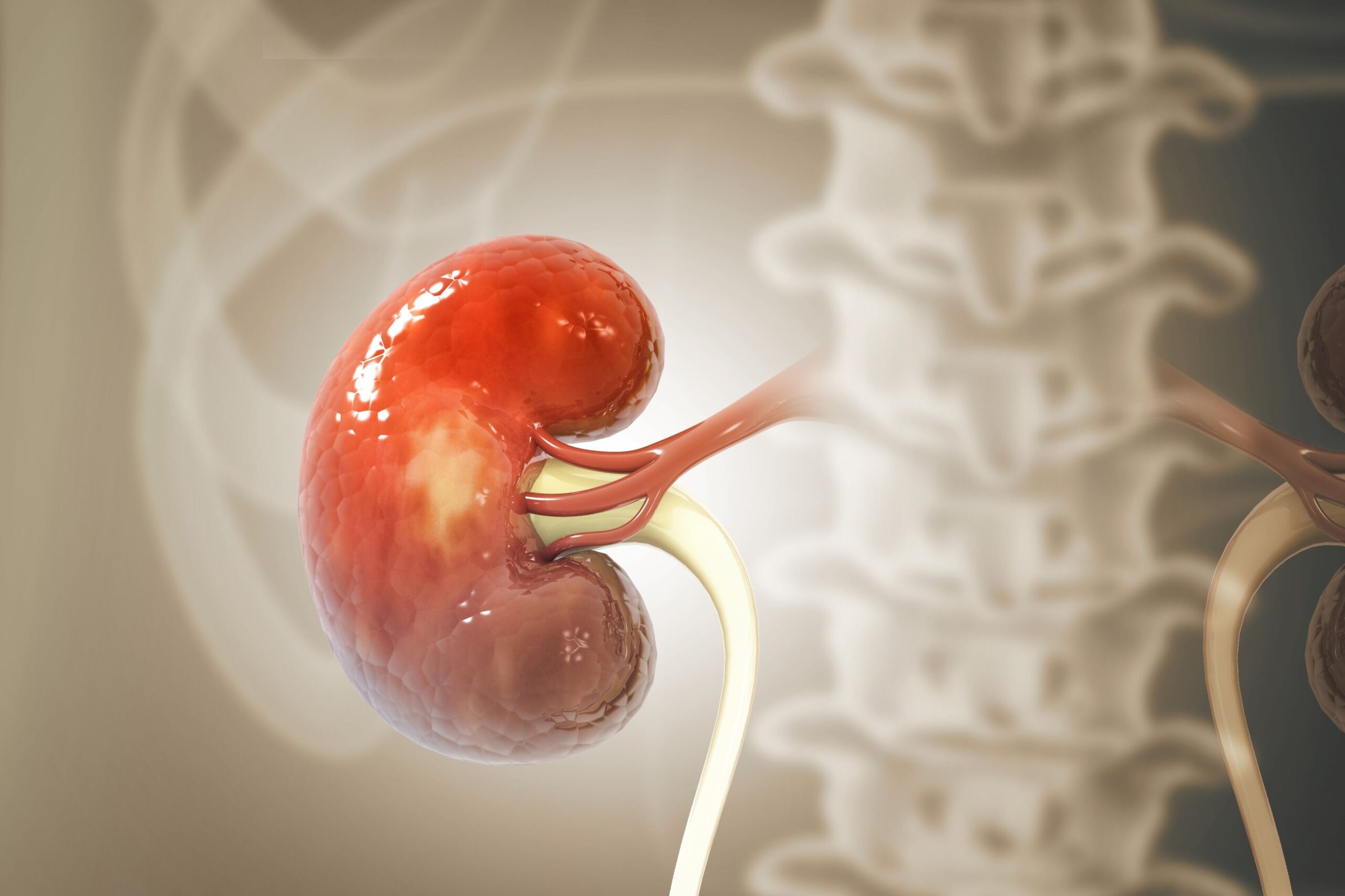
    (Vienna, 30 July 2026) An international research team led by the Medical University of Vienna reports on a new treatment strategy that has made a kidney transplant possible for a patient with no realistic chance of receiving a suitable donor organ. As the case study demonstrates for the first time, the use of a new drug from the field of cancer medicine can achieve a substantial and sustained reduction in antibodies against potential transplants, a level not previously attained. This significantly improves the prospects of a successful organ transplant even in cases with a particularly unfavourable initial immunological profile. The results have recently been published in the highly respected New England Journal of Medicine and could open up new perspectives in transplant medicine.

    The new drug Teclistamab is currently used to treat blood cancer (myeloma). It specifically eliminates those cells in the blood and bone marrow that produce antibodies against foreign structures. Due to this unique mechanism of action, the substance has now also come to the attention of transplant medicine: the research team led by Georg Böhmig and Martina Schatzl (Clinical Department of Nephrology and Dialysis, Department of Medicine III, MedUni Vienna) applied it for the first time as part of a case study in a dialysis-dependent patient with a highly unfavourable initial immunological profile.The 37-year-old had developed particularly pronounced HLA sensitisation following two previous kidney transplants. In this process, the immune system produces antibodies against tissue markers of potential donor organs, known as HLA (Human Leukocyte Antigens). These antibodies significantly limit the availability of suitable organs. In the specific case of the study, the calculated probability (cPRA value) of ever finding a compatible donor kidney for the patient was actually zero. Consequently, the study participant’s name had been on the waiting list for more than twelve years, whilst his condition progressively deteriorated.

    Successful transplant after 31 weeks of therapyTreatment with teclistamab over a period of 31 weeks turned the tide: the drug achieved such a substantial and sustained reduction in antibodies against tissue antigens as is not possible with the methods currently available for HLA sensitisation. “During the course of therapy, HLA markers from donor kidneys, against which there had previously been strong antibody reactions, were gradually classified as acceptable,” reports lead author Martina Schatzl. Eventually, a suitable organ was found and successfully transplanted. “The patient is doing very well today; his kidney function is excellent, and he no longer needs dialysis,” adds study leader Georg Böhmig.

    Further studies on benefits and risks needed20 to 30 per cent of patients on the waiting list for donor kidneys are affected by significant HLA sensitisation, some of whom have no chance of receiving a suitable organ. Existing procedures for so-called desensitisation aim to reduce the number of antibodies prior to transplantation, but are only effective to a limited extent and for a short period. The treatment approach described in the case study, by contrast, directly intervenes in antibody production and sustainably reduces the immune response over a longer period. “This could herald a paradigm shift in transplant medicine and open up new prospects for a group of patients who have been particularly disadvantaged until now,” says Böhmig.Detailed immunological results from the current case study also suggest that the new treatment strategy might also be applicable in xenotransplantation – that is, the transplantation of organs from genetically modified pigs – as well as in blood-group-incompatible transplants. “Looking ahead, an extension to other forms of organ transplantation, such as heart transplantation, as well as use in the post-transplant setting to treat antibody-mediated rejection reactions, also seems conceivable,” says Böhmig. However, before the new treatment strategy can be used in clinical practice, its benefits and risks must be systematically investigated. A study of this kind is already being planned at MedUni Vienna. 

    Publication: New England Journal of MedicineT-Cell Engager–Mediated HLA Antibody Depletion before Kidney Transplantation.Martina Schatzl, Katharina A. Mayer, Hermine Agis, Susanne Haindl, Daniela Kriks, Gottfried Fischer, Markus Exner, Gideon Hönger, Nikolina Veljancic, Daniela M. Allmer, Irene Graf, Matthias Diebold, Philip F. Halloran, Anne Halpin, Caishun Li, Lori West, Nicolas Kozakowski, Georg A. Böhmig.DOI: 10.1056/NEJMc2603853https://www.nejm.org/doi/full/10.1056/NEJMc2603853

    All News

    despite initial Kidney poor transplant
    healthylife7
    • Website

    Related Posts

    New Mexico green chile researchers explore how to make it more disease

    August 2, 2026

    Packers career rushing leader Ahman Green says he has early onset Parkinson’s disease

    August 2, 2026

    The Most Common Causes Of Death For Royals Throughout History

    August 2, 2026
    Leave A Reply Cancel Reply

    Health
    Conditions

    New Mexico green chile researchers explore how to make it more disease

    By healthylife7August 2, 20260

    ALBUQUERQUE, N.M. — Green chile is New Mexico’s staple harvest that gets bigger each year and researchers want to make the crop more resilient

    Massive RIMPAC exercise tallies thousands of flight sorties and maritime drills

    August 2, 2026

    Seeds, science and nutrition: Transforming Nigeria’s food system through plant breeding for human health

    August 2, 2026

    Speaking several languages protects the aging brain: Here’s how

    August 2, 2026
    Stay In Touch
    • Facebook
    • Twitter
    • Pinterest
    • Instagram
    • YouTube
    • Vimeo
    Fitness

    Opinion: The FDA must put biotech at its center or continue to cede early research to China

    July 6, 2026

    Inside Elevance’s digital chronic disease management strategy

    July 6, 2026

    Best, Worst States For Well

    July 6, 2026

    What do the Middle Ages tell us about mental health then and now? VCU historian Leigh Ann Craig has answers

    July 6, 2026

    Subscribe to Updates

    Get the latest creative news from SmartMag about art & design.

    About Us

    Welcome to HealthyLife7.com, your trusted source for reliable health, wellness, fitness, and lifestyle information. Our mission is to help people make informed decisions about their health by providing clear, practical, and easy-to-understand content.

    At HealthyLife7.com, we believe that good health starts with the right knowledge. Whether you're looking for healthy eating tips, fitness advice, mental wellness strategies, weight management guidance, or information about common health conditions, our goal is to deliver valuable content that supports a healthier lifestyle.

    Fitness

    New Mexico green chile researchers explore how to make it more disease

    August 2, 2026

    Massive RIMPAC exercise tallies thousands of flight sorties and maritime drills

    August 2, 2026

    Seeds, science and nutrition: Transforming Nigeria’s food system through plant breeding for human health

    August 2, 2026
    Health

    Opinion: The FDA must put biotech at its center or continue to cede early research to China

    July 6, 2026

    Inside Elevance’s digital chronic disease management strategy

    July 6, 2026

    Best, Worst States For Well

    July 6, 2026
    Facebook X (Twitter) Instagram Pinterest
    • About Us
    • Contact us
    • Disclaimer
    • Privacy Policy
    • Terms and Conditions
    © 2026 healthylife7.com. Designed by Pro.

    Type above and press Enter to search. Press Esc to cancel.